Rate to rise from 20% to 24%, highest among six major cities
58 billion won annually; Assembly member bill expected next year
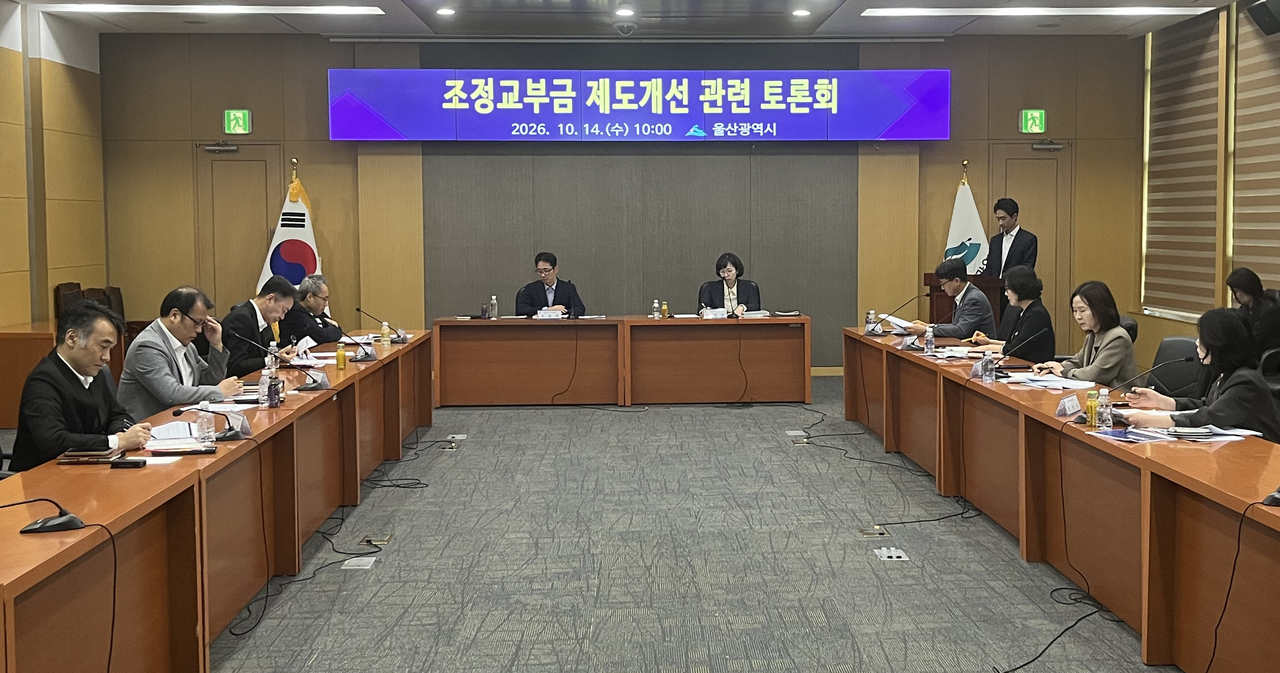
Ulsan Metropolitan City is pushing to raise the adjustment grant rate distributed to its four autonomous districts by 4 percentage points next year, a move expected to ease the fiscal strain on district governments.
Ulsan Mayor Kim Sang-uk announced Tuesday via a YouTube broadcast that the city plans to introduce an ordinance raising the adjustment grant rate from 20 percent to 24 percent starting next year.
Adjustment grants are a system under which a metropolitan city distributes a fixed share of its ordinary tax revenue among its autonomous districts to reduce fiscal disparities. Ulsan currently allocates 20 percent to its four districts — Jung-gu, Nam-gu, Dong-gu and Buk-gu — under a city ordinance governing fiscal resource adjustment. Ulju-gun, as a county-level local government, receives grants directly from the central government.
Among the six major metropolitan cities nationwide this year, the adjustment grant rates are: Gwangju at 23.9 percent; Busan and Daejeon each at 23 percent; Incheon at 22.3 percent; and Daegu at 22.29 percent. If Ulsan raises its rate to 24 percent through an ordinance revision, it would go from last place to the highest among the group.
Each 1-percentage-point increase in Ulsan's adjustment grant rate translates to about 14.5 billion won ($10.9 million) in annual fiscal resources based on 2026 figures. Raising the rate to 24 percent would generate 58 billion won in support funding for the districts. The increase, however, would place an equivalent burden on the city's main budget.
In response, Ulsan held a forum on improving the adjustment grant system on Oct. 14, with budget department heads from the four districts and outside experts in attendance, to discuss the stable advancement of key metropolitan projects and a more rational distribution of fiscal resources among the districts.
The four autonomous districts have consistently called for a higher grant rate, citing their low fiscal self-reliance and mounting welfare budget pressures tied to matching fund requirements. District mayors overseeing the ninth round of directly elected local governments have voiced the strain firsthand, saying finances are so tight that existing programs must be cut back, let alone new ones launched.
The Dong-gu and Buk-gu councils passed resolutions last month urging a rate increase, while the Nam-gu council called for a 30 percent rate last month. The Jung-gu council also appealed on Oct. 8 for an increase in line with rates in other special and metropolitan cities.
For the higher grant rate to take effect, an ordinance must clear a full plenary vote of the Ulsan Metropolitan Council and be promulgated by late December, before the city's budget for next year is finalized next month. Because an executive-branch bill would require a legislative notice period of at least 20 days, the city is expected to pursue the measure as a council member-initiated bill, which requires only about five days of legislative notice.
cityblue@heraldcorp.com