Seongdong-gu, Mapo-gu transactions fall more than 85%
Lending curbs, tax burden freeze upgrade demand
Sellers hold asking prices as average deal values rise
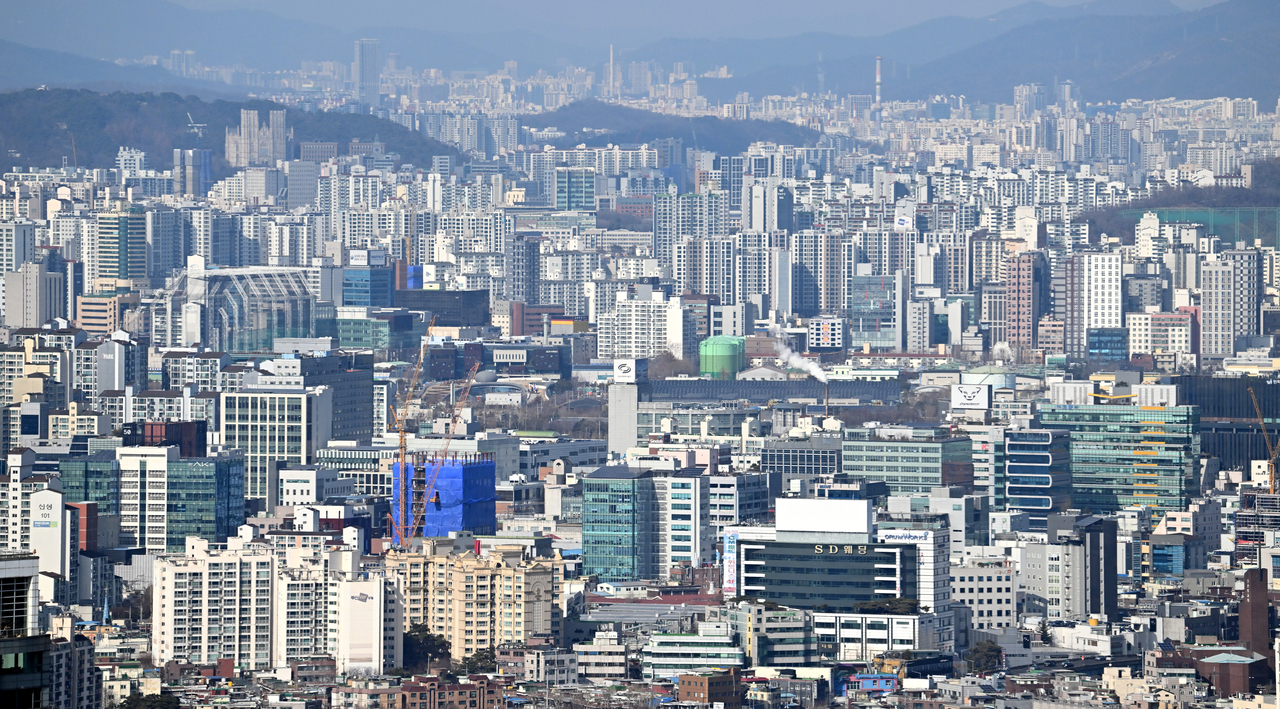
Even as Seoul apartment prices extended their winning streak to 89 consecutive weeks of gains, transaction volumes have plunged across the Han River belt. While deals continue in the city's outer districts, activity has dried up sharply in popular residential areas such as Mapo-gu, Yongsan-gu and Seongdong-gu. Analysts say a base effect from a rush of transactions before last year's regulations took hold — combined with lending and trading curbs that have since blocked upgrade demand — has pushed both buyers and sellers into a wait-and-see mode. Experts caution, however, that falling transaction volumes do not automatically translate into lower prices.
Mapo-Yongsan-Seongdong transactions at roughly one-tenth of last year's level
Seoul apartment sales totaled 3,288 transactions in September, according to the Seoul Real Estate Information Plaza, down 62 percent from 8,665 in September 2025.
The contraction was especially pronounced in key Han River belt districts. Seongdong-gu recorded just 56 transactions in September, a 90 percent drop from 559 a year earlier. Mapo-gu fell 85.2 percent over the same period, from 532 to 79 transactions, while Gwangjin-gu dropped 87.8 percent, from 288 to 35.
The combined decline in the three districts — Mapo-gu, Yongsan-gu and Seongdong-gu, collectively known as "Ma-Yong-Seong" — outpaced the citywide drop. The three areas recorded a combined 169 transactions in September, down 86.2 percent from 1,228 in the same month last year, leaving volume at just 13.8 percent of its year-ago level.
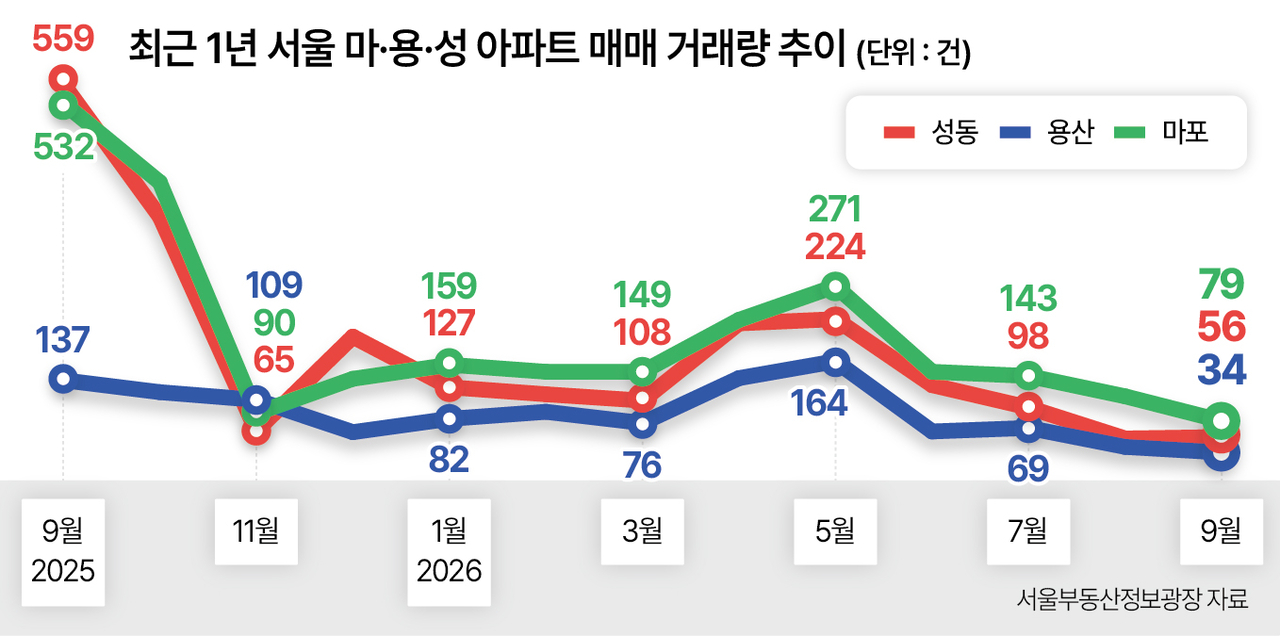
The decline was steeper than even in the pricier Gangnam three districts — Gangnam-gu, Seocho-gu and Songpa-gu — where September transactions fell 24.2 percent year-on-year, from 716 to 543. The comparison underscores how much more sharply activity contracted in the Han River belt.
Dobong-gu was the only district to post a year-on-year increase, up 12.6 percent. Outer districts including Eunpyeong-gu (minus 31.8 percent), Nowon-gu (minus 34.9 percent), Gangbuk-gu (minus 33.6 percent), Geumcheon-gu (minus 6 percent) and Guro-gu (minus 38.9 percent) all saw smaller declines than the Han River belt.
Experts point first to a base effect from the unusually high transaction volumes recorded in September last year. That month saw a surge in demand from buyers rushing to complete purchases ahead of the Oct. 15 policy package, which tightened regulations. Upgrade demand concentrated in the Han River belt's prime locations, which at the time faced lighter regulatory burdens, driving volumes sharply higher — making the year-on-year decline this September all the more pronounced once the new rules took effect.
"September last year was a period when last-minute upgrade demand flooded into the Han River belt — then outside the regulatory perimeter — to beat incoming restrictions, causing transaction volumes to explode," said Jeong Jae-hun, a professor in the urban planning and real estate department at Dankook University. "After the Oct. 15 measures brought those areas fully under regulatory control and cut off speculative demand including gap investment, the drop became particularly severe."
Tax burden on Gangnam upgrades adds to chill
Weakening demand to move up from the Han River belt into premium areas such as the Gangnam three districts is also cited as a factor behind the transaction slump. Tighter lending rules have made it harder to raise additional funds, and the prospect of heavier tax liabilities on high-priced homes has left many would-be upgraders reluctant to sell their current properties and make the move to Gangnam.
Changes to the tax burden on high-priced homes under the 2026 tax reform package add another variable that could weigh on upgrade demand going forward. Starting next year, the fair market value ratio for the comprehensive real estate holding tax will rise uniformly from 60 percent to 70 percent across all housing, prompting those mindful of the higher tax bill to hold off on upgrading.
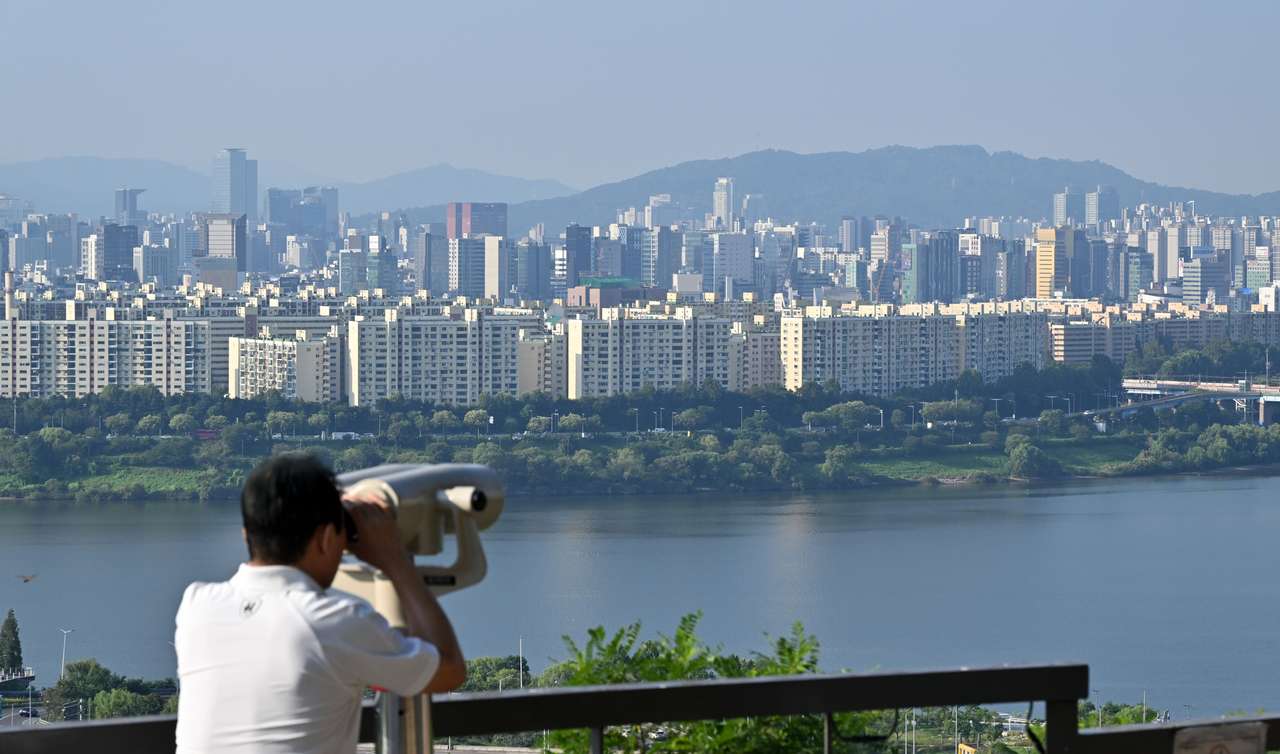
On the ground, agents say deals have ground to a halt because sellers are not moving. "The supply of listings has simply shrunk," said a real estate agent operating in Seongdong-gu, who asked to be identified only by the surname B. "Homeowners can only put their place on the market once they know where they are going next, and many of them have not made that decision yet."
Experts therefore caution against reading falling transaction volumes as a sign that prices are about to drop. When listings thin out and buyers also retreat to the sidelines, transactions can plunge — but without enough price-cut listings coming to market, that does not feed through into lower market prices.
Data from the Seoul Real Estate Information Plaza bear this out. Seongdong-gu, which recorded the city's lowest transaction count, posted an average apartment deal value of 1.91 billion won ($1.44 million) in September — topping 1.9 billion won for the first time. Mapo-gu's average September transaction price also rose to 1.62 billion won, up 11 percent from 1.46 billion won the previous month.
"Mapo-gu, Seongdong-gu and Gwangjin-gu are areas with high dependence on leverage — loans and jeonse — to enter the market, so they were bound to take a direct hit from the tightening of the Oct. 15 measures," Professor Jeong said. "But homeowners are holding their asking prices rather than cutting them, while buyers have turned cautious in the face of higher prices and reduced loan limits — so the transaction cliff is not translating into price declines."
hss@heraldcorp.com