Kiturami's name born from a housewife's phone call
Kyung Dong Navien, Cosmax, TYM rebranded to signal expansion
Kolmar Korea traces its roots to the US; AceBed foundation carries founder's hometown memory
Why is a boiler company called Kiturami? What does "Navien" in Kyung Dong Navien mean? Some companies earned their names from nicknames customers gave them; others chose new ones to mark a break from a foreign partner. Behind every familiar corporate name lies a story of the circumstances at founding and the choices made along the way.
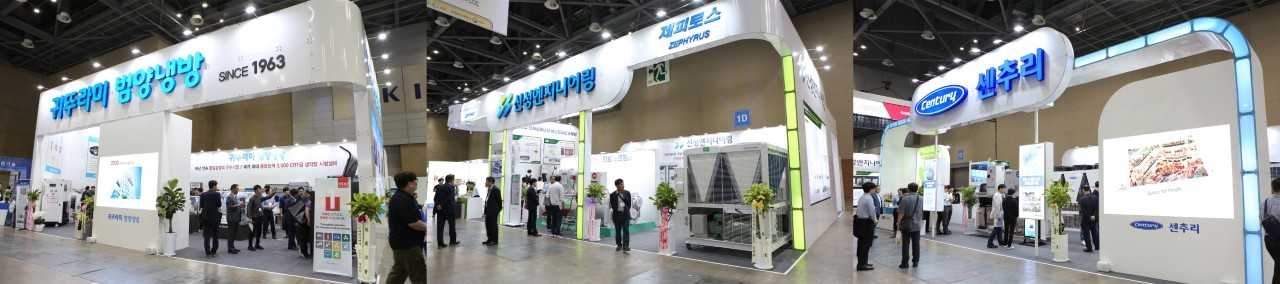
Kiturami's old name was Rocket Boiler. In the early 1980s, the company developed a boiler with an integrated fuel tank compact enough to fit in tight boiler rooms. The design came with a drawback, however: when the fuel ran completely dry, air entered the fuel-supply line, requiring a separate purging procedure before the unit could be restarted.
To address the problem, the company developed a warning device that emitted a chirping sound — rendered in Korean onomatopoeia as "jjiririk jjiririk" — from the indoor thermostat whenever fuel ran low. After the company demonstrated the feature at an energy equipment exhibition, a housewife called in to ask when she could buy "the boiler that makes the cricket sound." That call gave the company its name.
There was internal resistance to abandoning the established Rocket Boiler name, but the fact that "kiturami" — the Korean word for cricket — is a pure native Korean word, free of Chinese-character roots, helped tip the decision. "The cricket, which arrives in the autumn kitchen before anything else, evoked the boiler that people start using in the fall," a Kiturami official said. "The brand name 'Kiturami' became more widely known than the corporate name 'Rocket Boiler,' so we changed the company name to match."
Kyung Dong Navien rebranded to signal business expansion. Founded in 1978 as Kyung Dong Boiler, the company dropped "Boiler" from its name in 2006. "Navien" is a portmanteau of Navigator, Energy and Environment, chosen to convey the company's ambition to grow beyond boilers into a broader energy and living-environment enterprise.
The company first held an internal naming contest among employees but failed to find a suitable candidate. It then turned to an outside consulting firm, drew up a shortlist and put the final choice to an employee vote. The overseas brand name "Saturn," which the company had used at one point, was also considered but was deemed unsuitable for use as a global brand.
Kolmar Korea, an original design manufacturer in the cosmetics industry, takes its name from an American company. "Kolmar" derives from Kolmar Laboratories, founded in the United States in 1921. Founder Yoon Dong-han partnered with the American firm in 1990 to establish Kolmar Korea. In 2022, Kolmar Holdings acquired the global "KOLMAR" trademark from the US company, and in 2024 the holding company was renamed from Kolmar Korea Holdings to simply Kolmar Holdings.
Cosmax, Kolmar Korea's rival, was formerly known as Hankook Miroto. The company launched in 1992 through a technology partnership with Japanese cosmetics manufacturer Miroto, but the alliance ended after disputes over independent technology development. Founder Lee Kyung-soo renamed the company Cosmax in 1994 and set out to build its own cosmetics research, development and production capabilities. Cosmax even sent letters to its clients at the time announcing the name change and its fresh start. The Cosmax name became a symbol of the break from its Japanese partner and the company's transformation into an independent cosmetics manufacturer with its own technology.
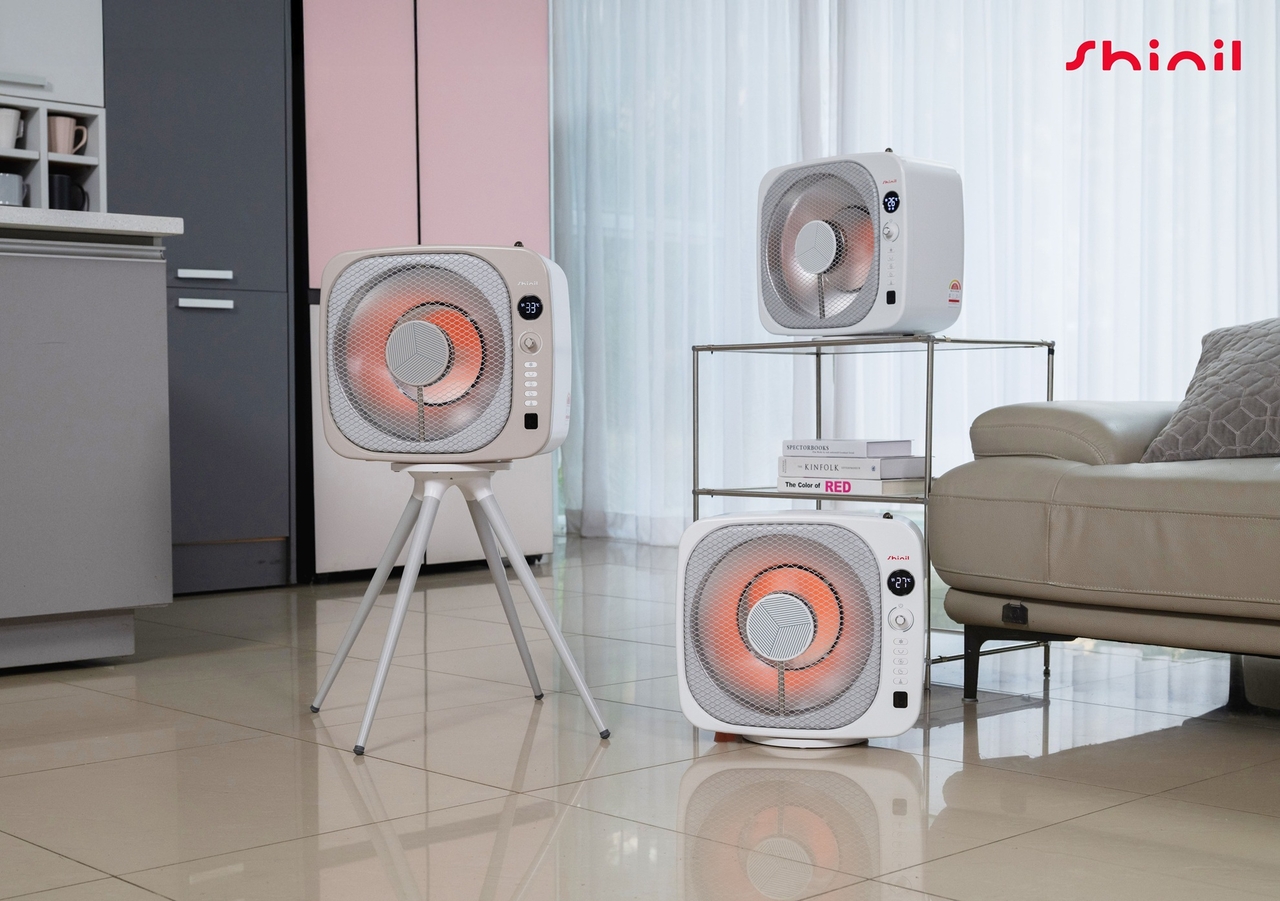
Shinil Electronics takes its name from the classical Chinese four-character phrase "ilsin uilisin," meaning to renew oneself day after day. In 2020, the company changed its name to Shinil Electronics as it sought to shed its image as a fan specialist and expand into a full-line home appliance maker. Its current English slogan is "Every Day, New Day."
Agricultural machinery company TYM kept the English initials of its former Korean name. Founded in 1951 as Dongyang Mulsan, it was renamed Dongyang Mulsan Kiup in 1962, then in 2021 officially adopted "TYM" — standing for Tong Yang Moolsan — the brand it had already been using in overseas markets. The move was intended to position the company as a global agricultural machinery player.
The name of a foundation established by a company can also carry the founder's personal history. The late Ahn Yu-su, founder of AceBed, established a welfare foundation called Ace Gyeongam. Gyeongamsan, a mountain in Sariwon, Hwanghae Province — Ahn's hometown — lent its name to the foundation. Ahn left his hometown during the Korean War and later ran a project to supply greenhouse facilities and agricultural materials to the Sariwon area.
"Chairman Ahn Yu-su felt a deep longing for his hometown," an AceBed official said. "The support project for the Sariwon area also reflected that attachment. The foundation's current name is understood to derive from Gyeongamsan."
hong@heraldcorp.com