
Nvidia CEO says HBM and LPDDR demand will continue; signals openness to CXMT chips
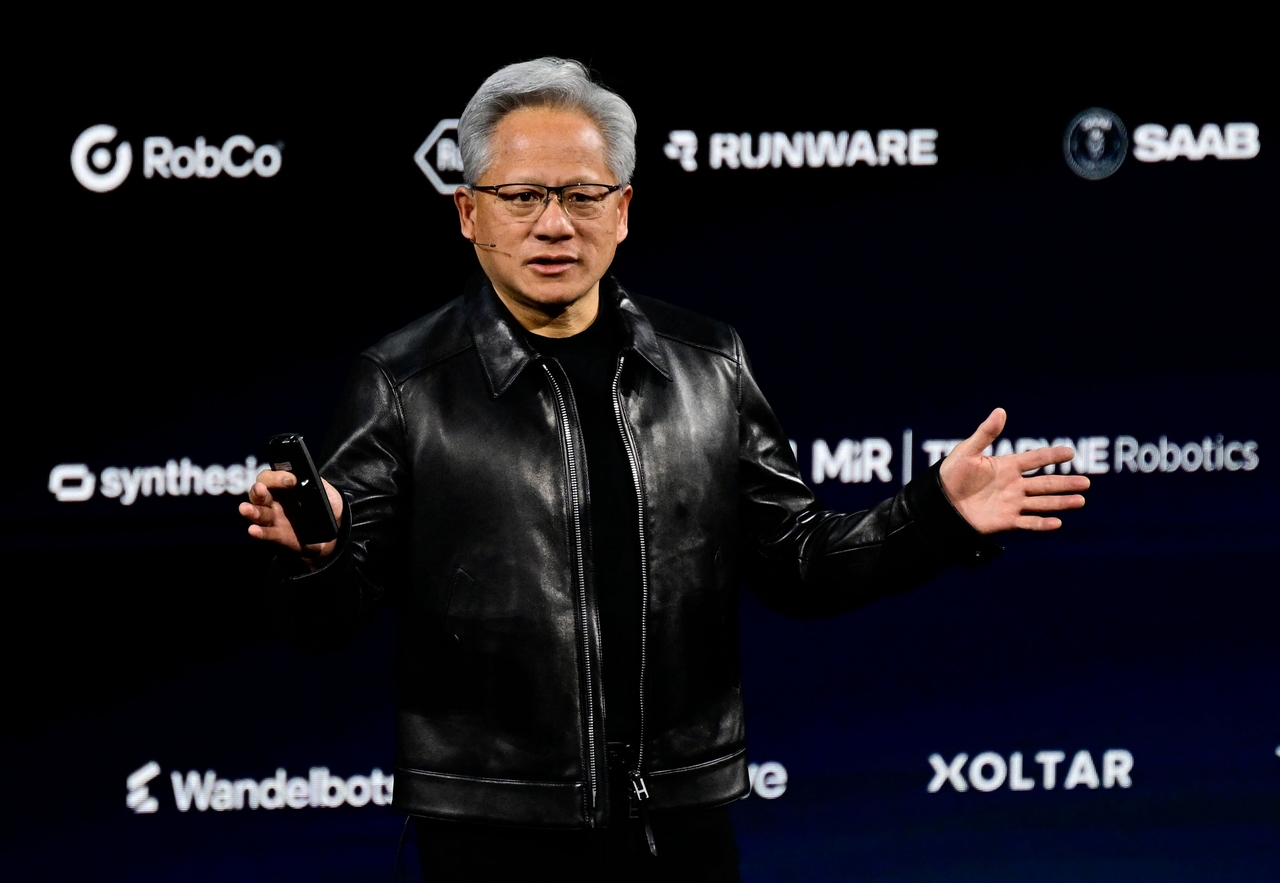
Nvidia CEO Jensen Huang has shrugged off concerns raised in some quarters about a memory chip oversupply in 2029.
Speaking to CNBC at his company's GTC developer conference in Berlin on Thursday (local time), Huang said he did not believe a memory oversupply was coming. "I don't think so," he said when asked about the possibility.
He added that "the real beauty of memory is that more is always better," predicting that demand for memory chips would continue to grow. The remarks appeared to push back against forecasts circulating in South Korea that a saturated market in 2029 would bring the so-called memory "super cycle" of exceptional growth to an end.
Huang said high-bandwidth memory, or HBM — now a core component of AI chips — would remain in use "for years to come," and confirmed that Nvidia plans to continue using large volumes of LPDDR, a low-power memory type, as well.
With the world's largest memory buyer publicly affirming rising demand, market anxiety over an anticipated oversupply is expected to ease considerably, and growth concerns surrounding South Korean memory manufacturers such as Samsung Electronics and SK hynix are likely to be partly allayed.
However, Huang also signaled openness to using chips from China's CXMT, which has been closing the gap on South Korean rivals. Asked whether Nvidia would consider sourcing from the Chinese chipmaker, he said, "Of course, we have an open mind," and praised China's capabilities in foundational infrastructure technology. He noted that US restrictions on China had ultimately accelerated the country's own semiconductor manufacturing capacity, while adding that American technology companies remain strong and ready to compete with anyone.
Meanwhile, Huang defended the so-called neo-cloud companies — including CoreWeave, Nebius and Irent — which have recently drawn investor concern, saying demand for their services is growing at an explosive pace that is "off the charts." He argued that what constrains neo-cloud growth is not demand but working capital, and said the issue would be resolved because "what fundamentally matters is the value these companies provide."
yckim6452@heraldcorp.com




