National Assembly hosts AI and robotics industry strategy forum
Chinese firms opening Korea offices, entering domestic robot market
Samsung's Rainbow Robotics calls for government leadership beyond funding
Hyundai Motor eyes Saemangeum facility as CMO hub for outside robot makers
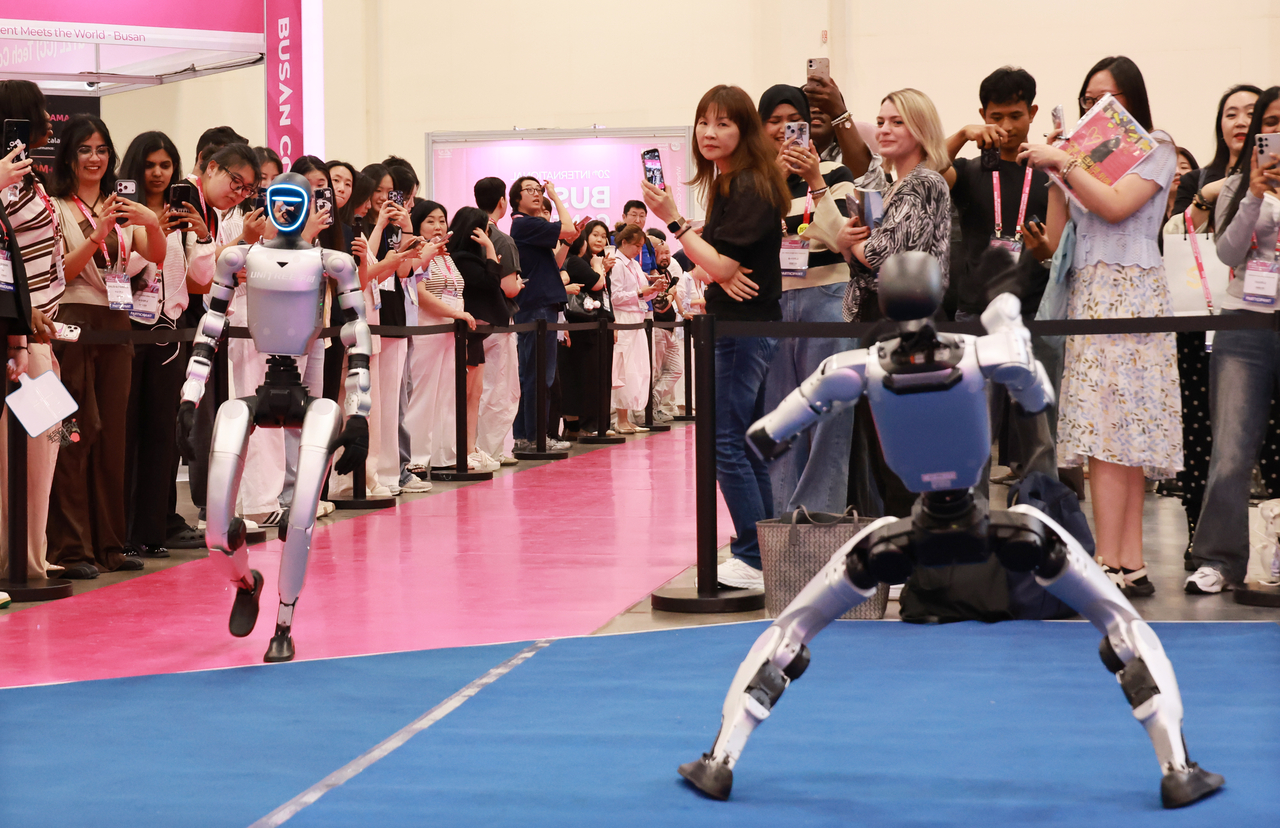
"We expect Chinese robots to penetrate the domestic market faster than robot vacuums, drones, action cameras and electric vehicles did."
Song Ho-deuk, a senior vice president at Hyundai Motor, issued the warning Wednesday at the AI and Robotics Industry Ecosystem Strategy Forum held at the National Assembly Members' Office Building in Yeouido, Seoul. "Hyundai Motor responded to the EV market faster than anyone, but having experienced China's speed and competitiveness firsthand, we feel a heightened sense of crisis," Song said. "We are approaching the robotics industry with the utmost care to ensure we are not overrun by Chinese players."
Song, who heads Hyundai Motor's robotics business division, said Chinese companies are moving aggressively into Korea. "Chinese firms are either opening dedicated Korea offices this year or entering the market through distributors," he said. "Even EV makers like BYD are leveraging their sales expertise to push into the domestic robot market in earnest."
Song went on to emphasize the need for government leadership. "In China, the central and local governments act as powerful control towers, proactively building the robotics ecosystem," he said. "We need a government-led integrated strategy to catch up quickly, even now."
"New businesses can never be built through the efforts of a single company alone," he added. "We cannot afford any more delays. The government must serve as a control tower to prevent Korea's robotics industry ecosystem from fragmenting — an integrated strategy is essential."
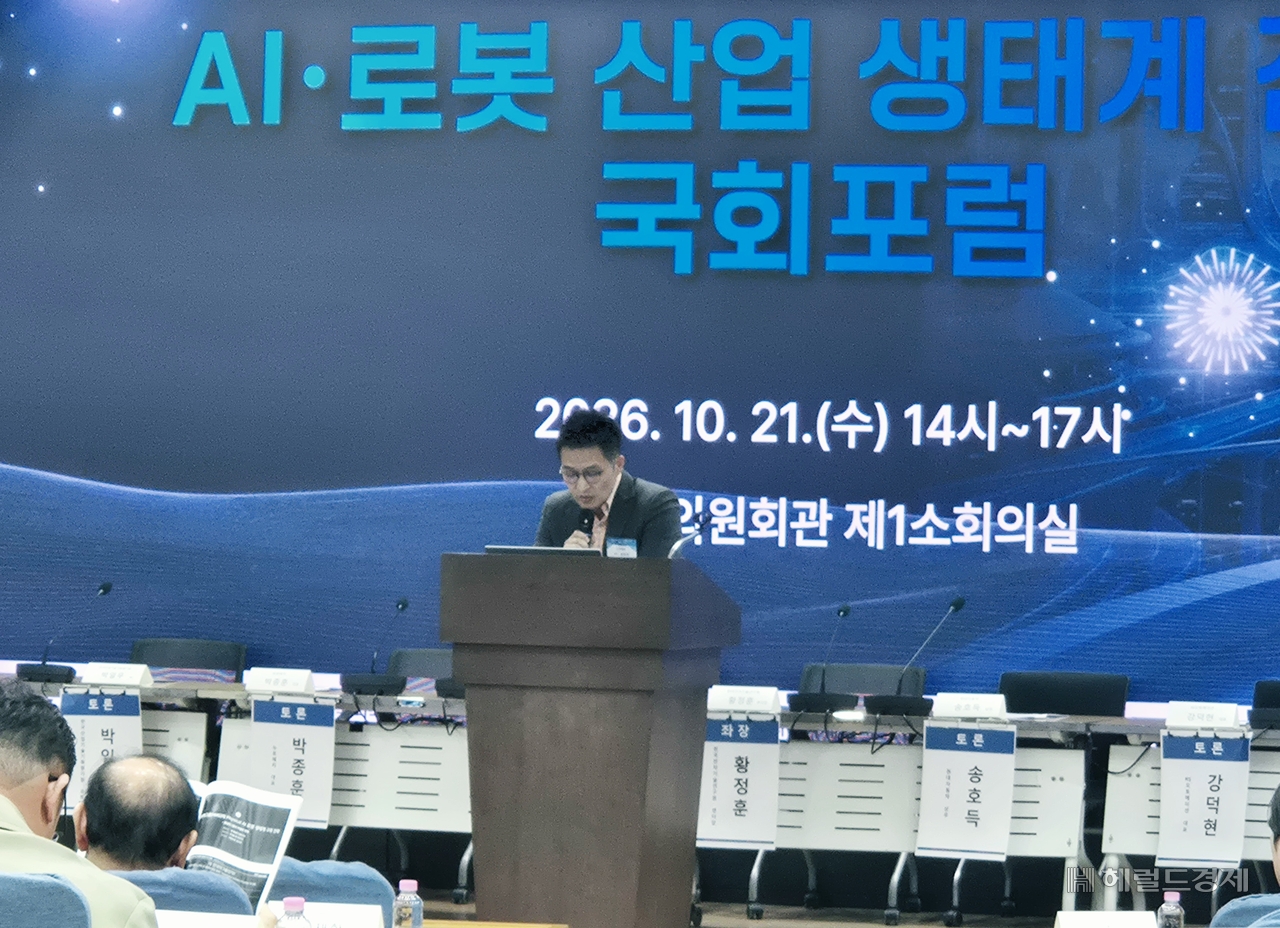
Song also announced that a robot manufacturing facility to be built in Saemangeum, North Jeolla Province, will expand beyond producing Hyundai Motor's own robots to serve as a foundry — taking CMO orders from outside companies as well. Hyundai Motor had previously announced plans to invest 9 trillion won ($6.78 billion) to establish a hub for robotics, AI and hydrogen energy in the area.
"The robot manufacturing facility launching in Saemangeum will initially be structured to produce robots for Hyundai Motor Group, but it will eventually expand into a facility capable of simultaneously handling CMO production for other robot developers that lack their own factories," Song said.
Song also offered the view that the Donald Trump administration's active sanctions targeting Chinese finished robots and their broader supply chains present an opportunity for Korean companies.
"If our companies can quickly secure technological and cost competitiveness, a strong foundation for growth will be in place," he said. "We will pursue localization centered on high-value-added components and work with domestic parts makers to advance areas including cognitive sensor modules, grippers, hands and data collection equipment."
Through these efforts, the company plans to raise the competitiveness of domestic parts suppliers and seek opportunities to enter global markets together.
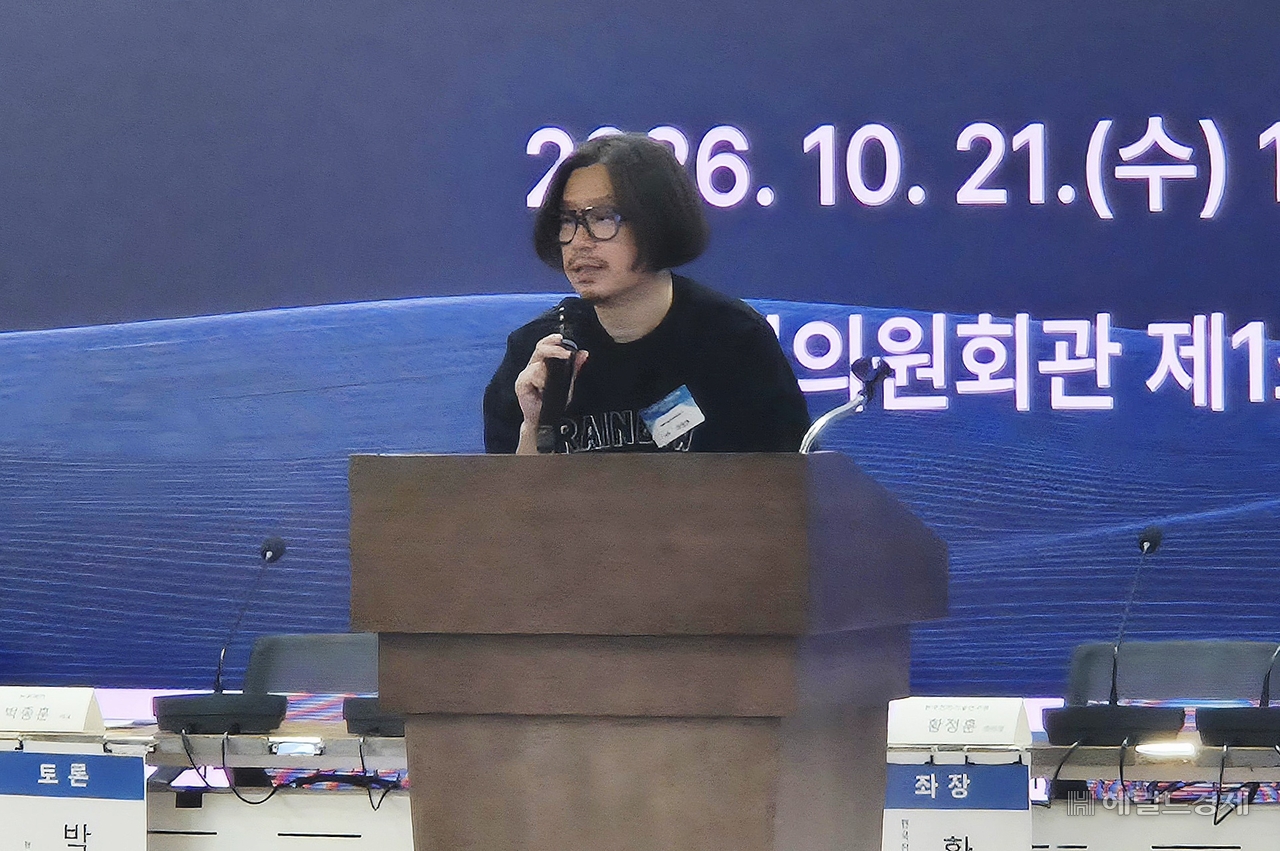
Lee Jeong-ho, chief executive of Rainbow Robotics, a Samsung Electronics subsidiary, took the stage next to present an industry strategy for building a K-AI robotics ecosystem.
Lee said that building a robotics ecosystem requires four distinct roles: robot manufacturers, companies that specialize in applying and executing AI, system integration firms that build out infrastructure, and end customers.
However, he warned that competition with China would be impossible if small and medium-sized enterprises fail to fill these roles, given that only a handful of large conglomerates are currently capable of performing all of them.
"I think it is fine for large companies to take the lead, but it is also necessary for them to open-source what they have pioneered," Lee said. "This is a problem the government can solve. Government leadership is genuinely needed right now."
"Rather than providing funding from the rear as it does now, the government must become a leader that actively uses diverse resources to advance the AI and robotics industries," he added.
joze@heraldcorp.com