Iran raises pressure in the Strait of Hormuz
'The weeks before the election are decisive'
About 30 attacks per week recorded in September
More than 20 vessels hit this month, one sunk
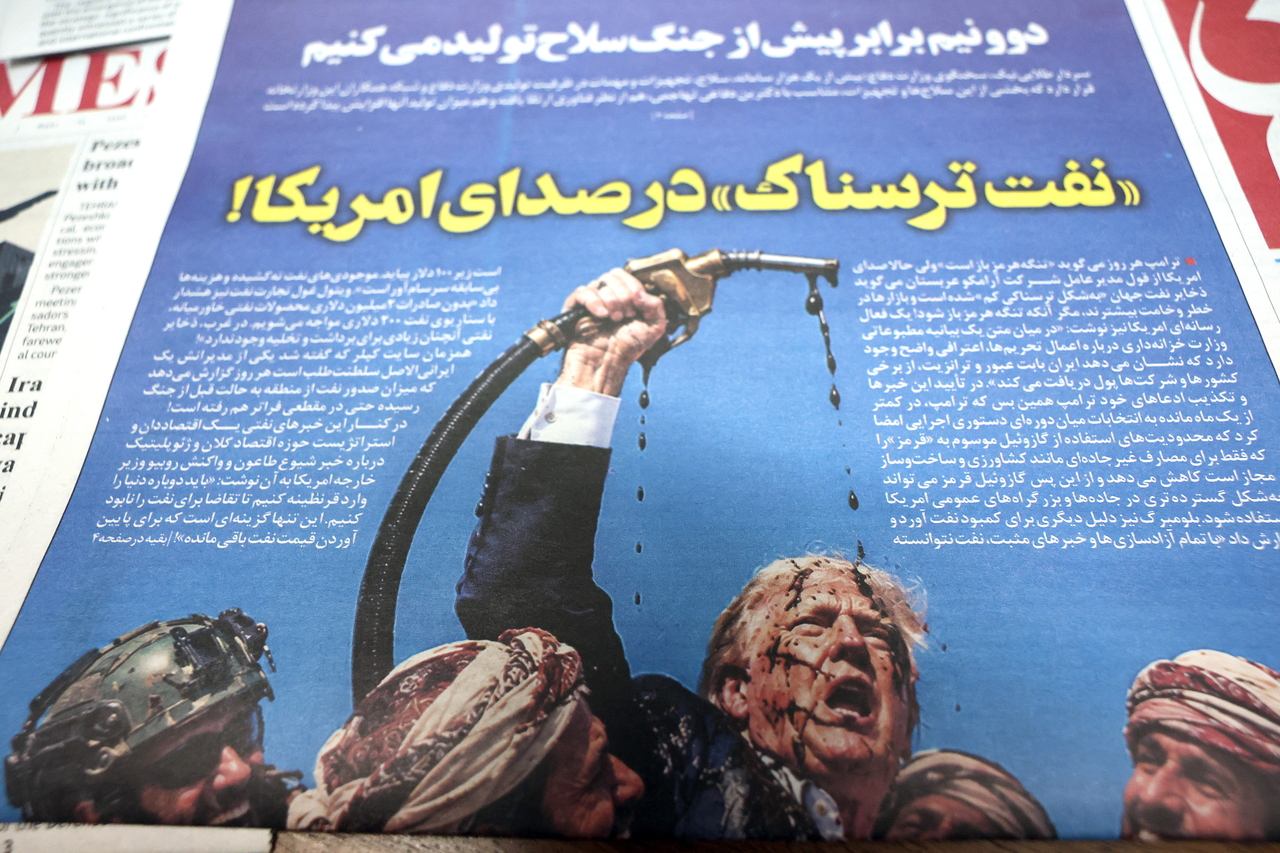
Iran is intensifying attacks in the Strait of Hormuz ahead of the Nov. 3 US midterm elections, seeking to inflict political damage on President Donald Trump. Observers note that Tehran aims to drive up global oil prices and deepen economic pain inside the United States — creating an unfavorable electoral environment for the ruling Republican Party — while simultaneously gaining leverage in ceasefire negotiations with Washington.
Iran's leadership views the coming weeks as a decisive window to pressure the Trump administration, the Washington Post reported Monday (local time). Because Trump is expected to be less sensitive to energy prices once the midterms are over, Tehran is moving to expand attacks in the Strait of Hormuz before election day to maximize pressure while it still can.
Two anonymous Iranian officials said the government is closely focused on next month's midterm elections and regards the time remaining before election day as a critical period for exerting influence over Trump.
Some Iranian officials have set their sights on "punishing" Trump in the midterms — much as the 1980 American hostage crisis damaged then-President Jimmy Carter's reelection bid — according to Arab and Western diplomats.
"They are obsessed with this," one Arab diplomat said. "They believe they can undermine the president's political base."
That strategy has translated into a sharp escalation of attacks in the Strait of Hormuz. After the United States launched operations to increase the flow of shipping through the waterway, Iran raised its attacks on vessels to the highest level since the early days of the war.
The US military is conducting large-scale daily escort operations in the strait, deploying a layered force of fighter jets, drones and special operations units to protect passing ships, according to one Western official and a person familiar with the matter.
Iran carried out an average of about 30 attacks per week in the Strait of Hormuz in September, that official said. More than 20 vessels have been struck by Iranian attacks in the strait so far this month, with one sunk, according to the United Kingdom Maritime Trade Operations, a British military-linked maritime monitoring body.
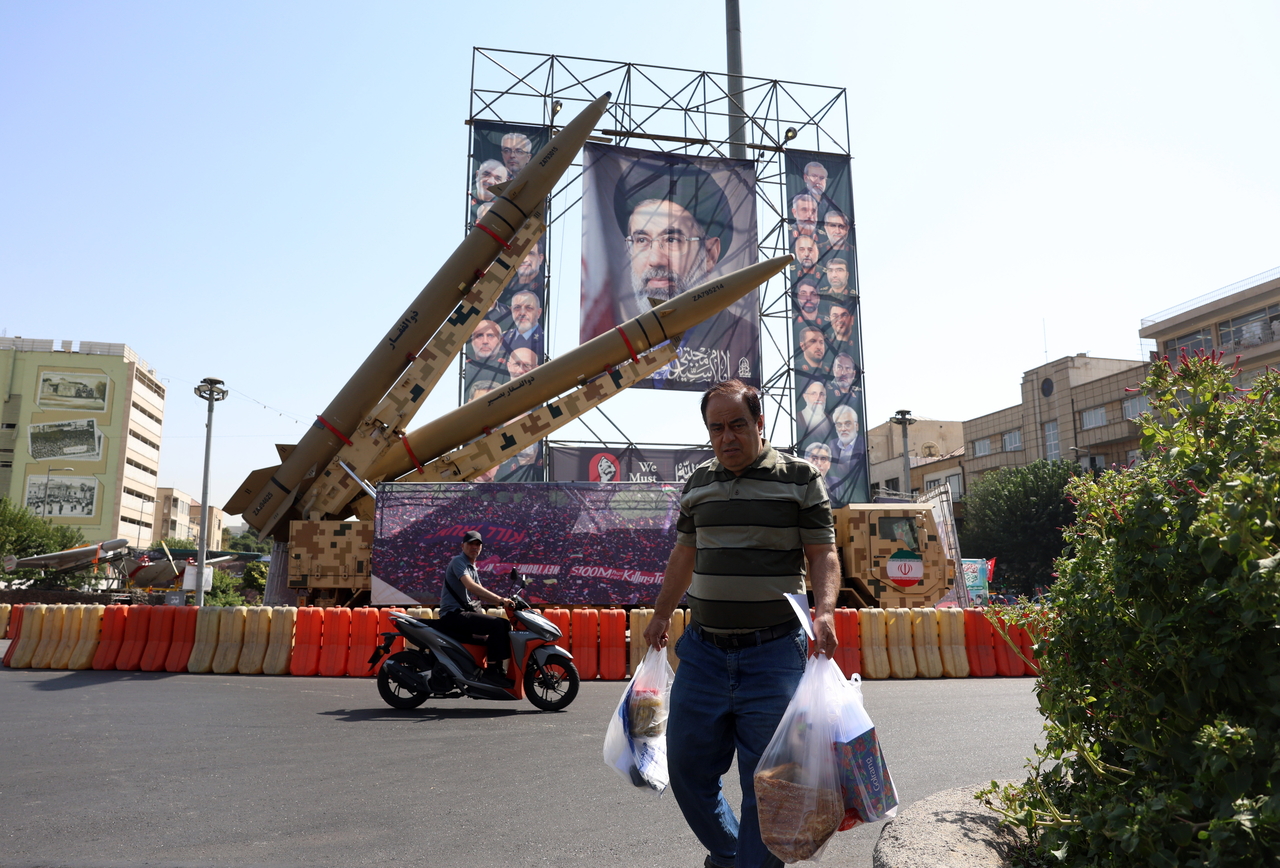
Despite the surge in Iranian attacks, the United States has managed to significantly increase the volume of crude oil flowing out of the Persian Gulf.
Crude shipments through the Strait of Hormuz rose from mid-August through the end of September, according to global commodities analytics firm Kpler. On several days over the past month, daily crude export volumes approached pre-war averages.
Amena Bakr, Kpler's head of Middle East energy, said shipping costs and risks remain elevated and predicted that international energy prices would stay high as a result. "This should not be seen as a return to pre-war conditions," she said, estimating that geopolitical risk factors are currently adding about $30 per barrel to global oil prices.
Iranian officials have labeled the US-expanded maritime shipping operations "smuggling." Fada Hossein Maleki, a member of Iran's parliament, told the hardline conservative newspaper Kayhan that the vessel traffic had made the situation in the Strait of Hormuz "very complicated," adding that "Iran has an obligation to firmly defend this vital international maritime corridor, which is our land and territory."
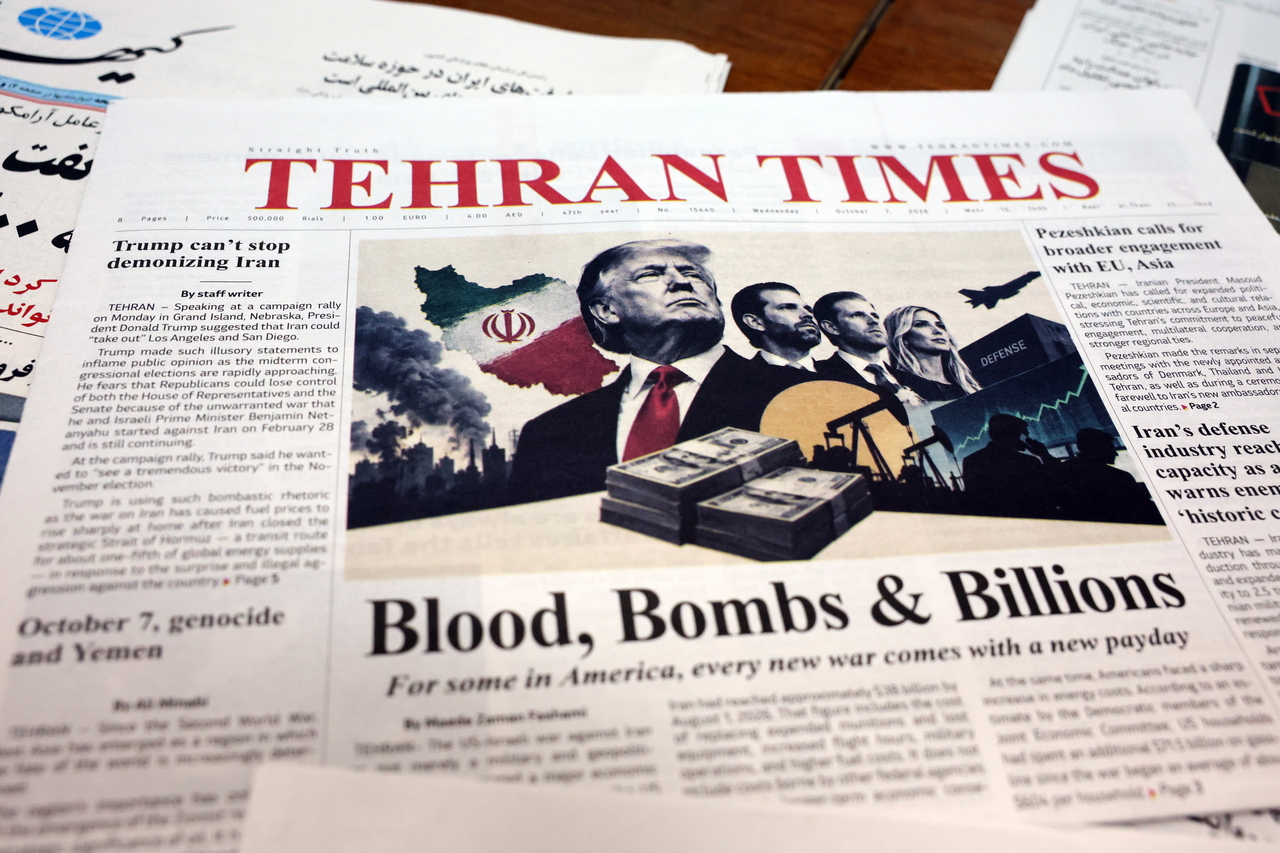
The US midterm elections have become a major preoccupation in Iranian media as well. State television talk shows are tracking soaring energy prices while analyzing how a Republican defeat in the midterms could constrain Trump's ability to wage war during the remaining two years of his term. Newspapers are running daily updates on shifts in Trump's approval rating.
Iranian National Security Adviser Mohsen Rezaei told state broadcaster Press TV that Iran is attacking five to six vessels every night in response to the US maritime escort operations through the Strait of Hormuz.
"Trump has hired gangsters operating off the coast of Oman to engage in smuggling," Rezaei said, threatening that "numerous cables, data centers and AI centers of very high financial value will come within range of our attacks."
Some Iranian media outlets have argued that a Republican defeat in the midterms could weaken Trump's political standing and create conditions favorable to Iran — suggesting that a stronger Democratic presence in Congress would intensify impeachment pressure on Trump and constrain his ability to prosecute the war.
Fars News Agency, a semi-official outlet with close ties to the Islamic Revolutionary Guard Corps, argued in an editorial last month that "Trump, who had promised to end the war, has brought his party several steps closer to a midterm defeat by starting a war against Iran."
mokiya@heraldcorp.com