Korea Research Institute for Industrial Economics and Trade warns of further weakening if non-member status continues; proposes improving trade ties with Mexico and monitoring export items
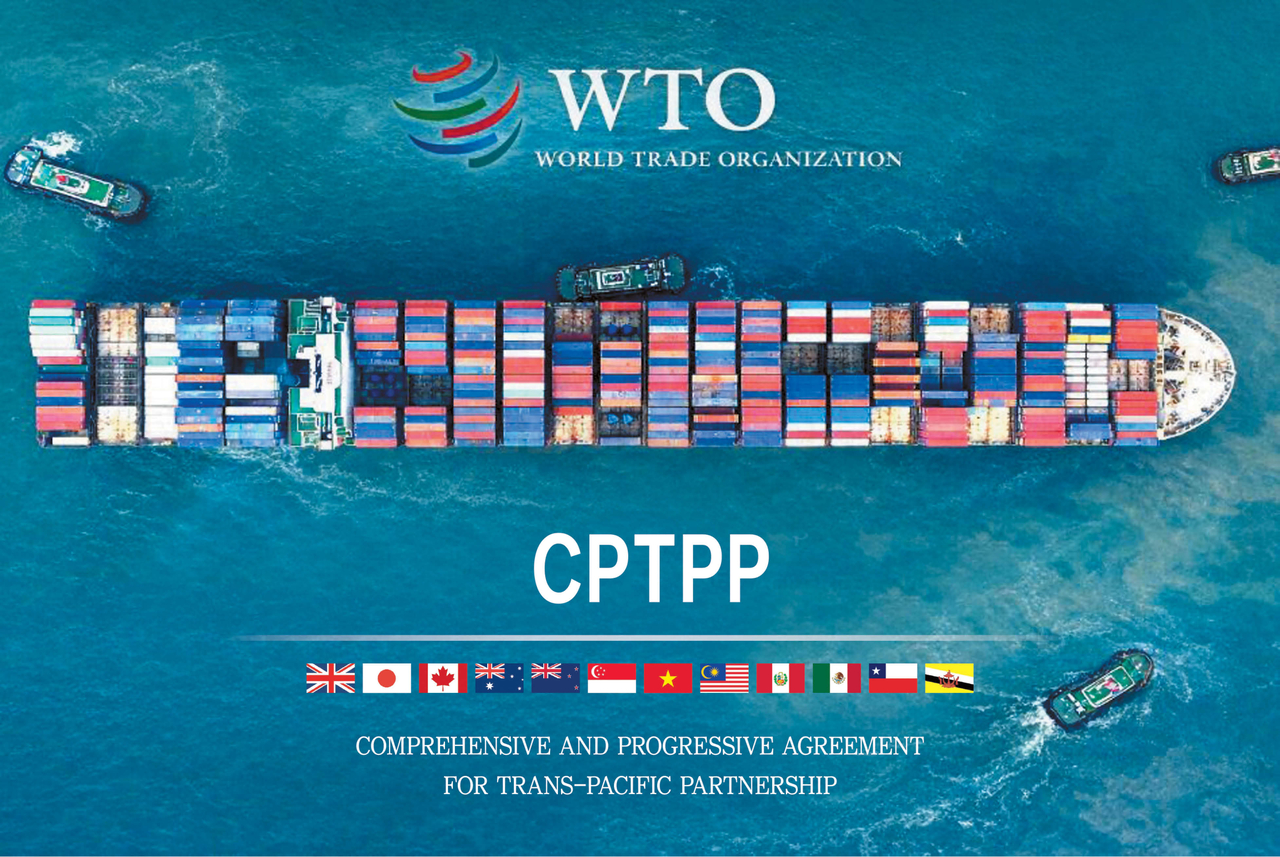
Nearly half of South Korea's exports have lost competitiveness in member markets since the Comprehensive and Progressive Agreement for Trans-Pacific Partnership took effect, with the country's world-leading shipbuilding sector suffering the sharpest blow from competition with CPTPP members, according to a new report.
The Korea Research Institute for Industrial Economics and Trade said Wednesday it analyzed competitiveness indicators for 5,185 South Korean export items in a report titled "Analysis of South Korea's Competitiveness Before and After CPTPP Entry into Force." The study compared the periods 2012–2018, before the agreement took effect, and 2021–2024, after it did, excluding 2019–2020 due to the significant impact of COVID-19.
Of the 5,185 items examined, 2,711 (52.3 percent) saw their competitiveness indicators rise in CPTPP member markets after the agreement took effect, while 2,474 (47.7 percent) saw them fall. Among the items that lost ground, 796 (32.3 percent) maintained or even improved their competitiveness in markets outside the CPTPP bloc.
The institute calculated and compared the intra-CPTPP symmetric revealed comparative advantage index, or RSCA, for South Korea and 11 member countries — excluding the United Kingdom, which joined at the end of 2024 — across individual product categories.
The index ranges from -1 to 1, with higher values indicating a relatively stronger competitive position for a given item in the CPTPP market.
The export items that saw the steepest drops in intra-CPTPP RSCA after the agreement took effect were paraxylene, a petrochemical feedstock (0.76 to 0.02), electric vehicles (0.82 to 0.50) and passenger cars (0.26 to 0.03).
The report also found that among sectors where competitiveness indicators declined, shipbuilding recorded the largest gain among CPTPP members (+0.125), meaning South Korea's shipbuilding industry faces the greatest competitive pressure. South Korea currently ranks first in the world in high-value-added vessels such as LNG carriers, large container ships and eco-friendly ships. HD Hyundai Heavy Industries, Samsung Heavy Industries and Hanwha Ocean are among the top-ranked shipbuilders globally.
In the automotive sector, the report said tariff disparities in the Mexican market were a key factor. Because South Korea has no free trade agreement with Mexico, Korean exporters face a heavier tariff burden than their counterparts from other CPTPP members. The burden has grown this year after Mexico began implementing amendments to its General Import and Export Tax Law, which raised import tariffs by up to 50 percent on goods from countries without an FTA with Mexico.
The report cautioned that South Korea should be mindful of the risk that its position in the CPTPP market could weaken further if it remains a non-member. It also urged the government to pursue follow-up measures regardless of whether South Korea ultimately joins — including reviewing ways to improve trade relations with Mexico and monitoring export items by category.
The CPTPP is a multilateral free trade agreement among Asia-Pacific nations. Its 12 members are Japan, Mexico, Australia, New Zealand, Canada, Singapore, Vietnam, Malaysia, Brunei, Chile, Peru and the United Kingdom.
The South Korean government had begun discussions on joining, but faced pushback from the agriculture and fisheries sectors. On Thursday, President Lee Jae Myung instructed relevant ministries not to apply for membership this year. The agreement's existing members have liberalized 99.1 percent of their goods markets, with agricultural products averaging 96.1 percent — effectively full openness — and many member countries have well-developed agricultural industries, raising concerns about significant damage to South Korea's farming sector. Farmers' groups and others have demanded a halt to CPTPP discussions for the same reason.
oskymoon@heraldcorp.com