Vulnerability analysis, IT asset management to be tightened; AI penetration drills expanded
Security budget and staffing investment to be encouraged; improvements to be discussed with FSC
Five bank chiefs appear together as witnesses for first time in 4 years amid hacking, data-leak wave
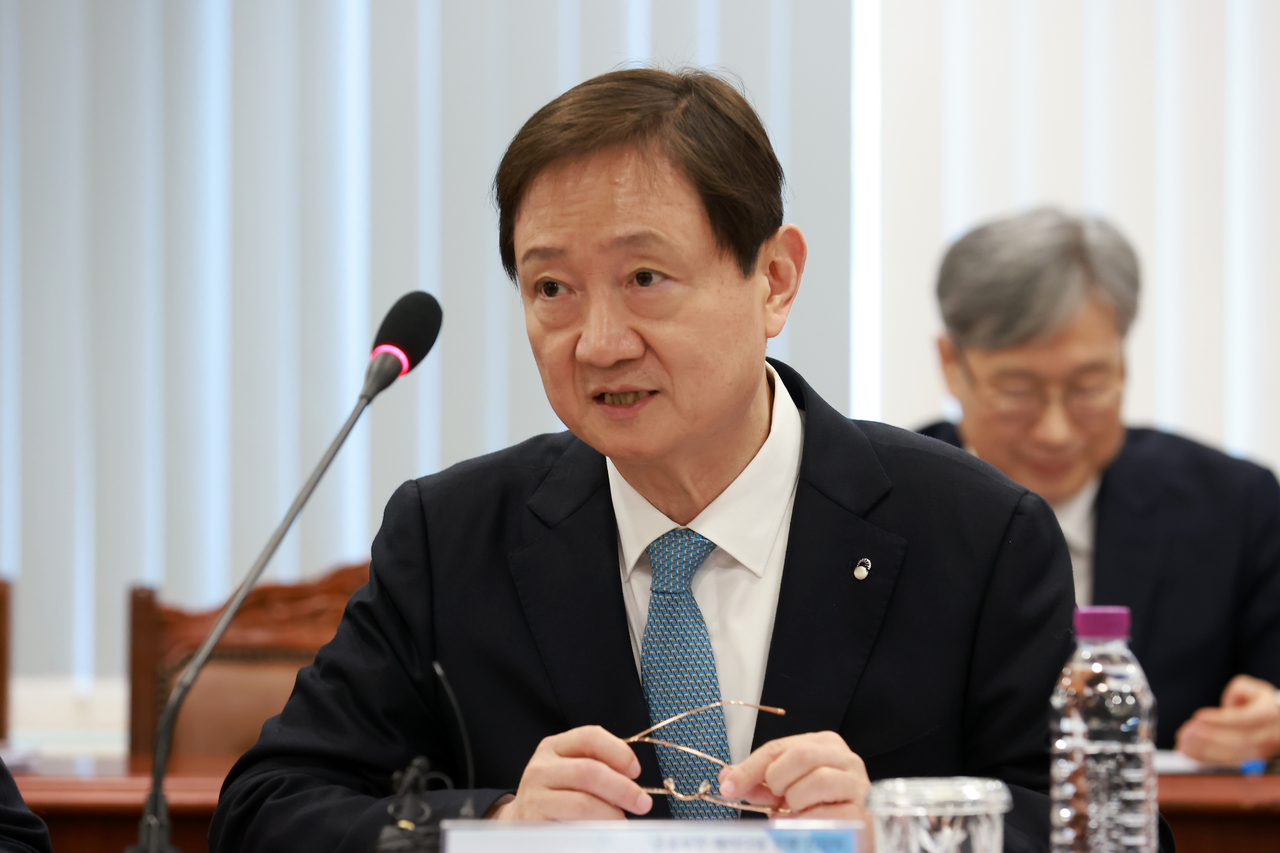
Financial Supervisory Service Director Lee Chan-jin pledged Monday to strengthen the financial sector's cybersecurity framework, invoking an "AI attack, AI defense" principle as the heads of South Korea's five major banks appeared side by side as witnesses at a National Assembly audit following a string of cyberattacks on financial institutions. The FSS said it would enhance security vulnerability assessments, tighten the identification and management of IT assets, and expand penetration testing to include AI-based intrusions. It also plans to work with the Financial Services Commission on measures to encourage financial firms to increase their security budgets and staffing.
Lee made the remarks in his opening statement at the National Assembly audit of the FSS, held Monday at the National Assembly in Yeouido, Seoul. "We will swiftly address security gaps through thorough root-cause analysis and actively encourage financial firms to build their own security capabilities — including AI-based defenses against AI-based attacks — to mount effective responses," he said.
Specifically, the FSS will strengthen security vulnerability analysis and assessments and move to make the identification and management of IT assets mandatory. It also plans to expand penetration testing exercises to cover AI-assisted intrusions.
The FSS is also reviewing regulatory changes to drive greater security investment by financial firms. "We will consult with the FSC on a range of improvement measures to encourage financial firms to expand their security budgets and staffing investment," Lee said. While specific measures have yet to be finalized, the intent is to bring the security staffing levels and investment of individual financial firms under supervisory and policy scrutiny, prompted by the recent series of breaches.
The FSS has been shifting the focus of its financial security oversight from after-the-fact sanctions toward prevention. It has strengthened its response framework by holding ongoing discussions with financial firm executives on security issues and detecting cyber threats across the sector through an integrated monitoring system — but the recent incidents have prompted it to pursue additional regulatory reinforcement.
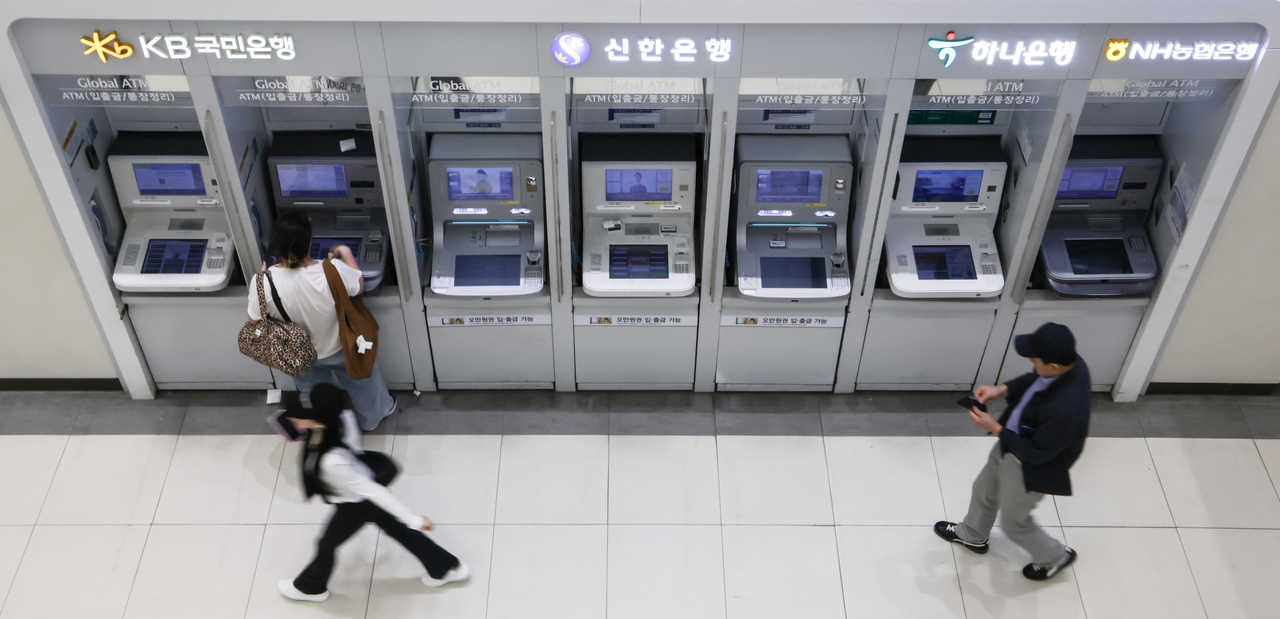
The five bank chiefs called as general witnesses at this year's FSS audit are Lee Hwan-ju of KB Kookmin Bank, Jeong Sang-hyeok of Shinhan Bank, Lee Ho-seong of Hana Bank, Jeong Jin-wan of Woori Bank and Kang Tae-young of NH NongHyup Bank. It is the first time all five have appeared together on a National Assembly audit witness list since 2022.
The audit was dubbed a "hacking audit" well before it began, as a wave of cyberattacks and customer data leaks swept through the financial sector. Customer data breaches were confirmed at Shinhan Bank, KB Kookmin Bank and Hana Bank, while similar attacks at Woori Bank and NH NongHyup Bank did not result in data leaks — a contrast that has made the differences in each bank's security systems and responses a central issue.
Banks reviewed their incident timelines and follow-up security measures ahead of the audit. Some sought outside legal counsel to re-examine their systems and security posture, and checked internal procedures to ensure customer compensation processes could be activated quickly if additional damage emerged. Follow-up steps — including blocking the IP addresses used in the attacks and monitoring for anomalies — are also continuing.
rim@heraldcorp.com