
Provincial election commissions in South Chungcheong, Gwangju-South Jeolla, South Gyeongsang and Gangwon raided
Busan's Nam-gu, Jeju's Seogwipo offices and the National Election Commission headquarters also searched
Team of 31, including 3 prosecutors, executes warrants
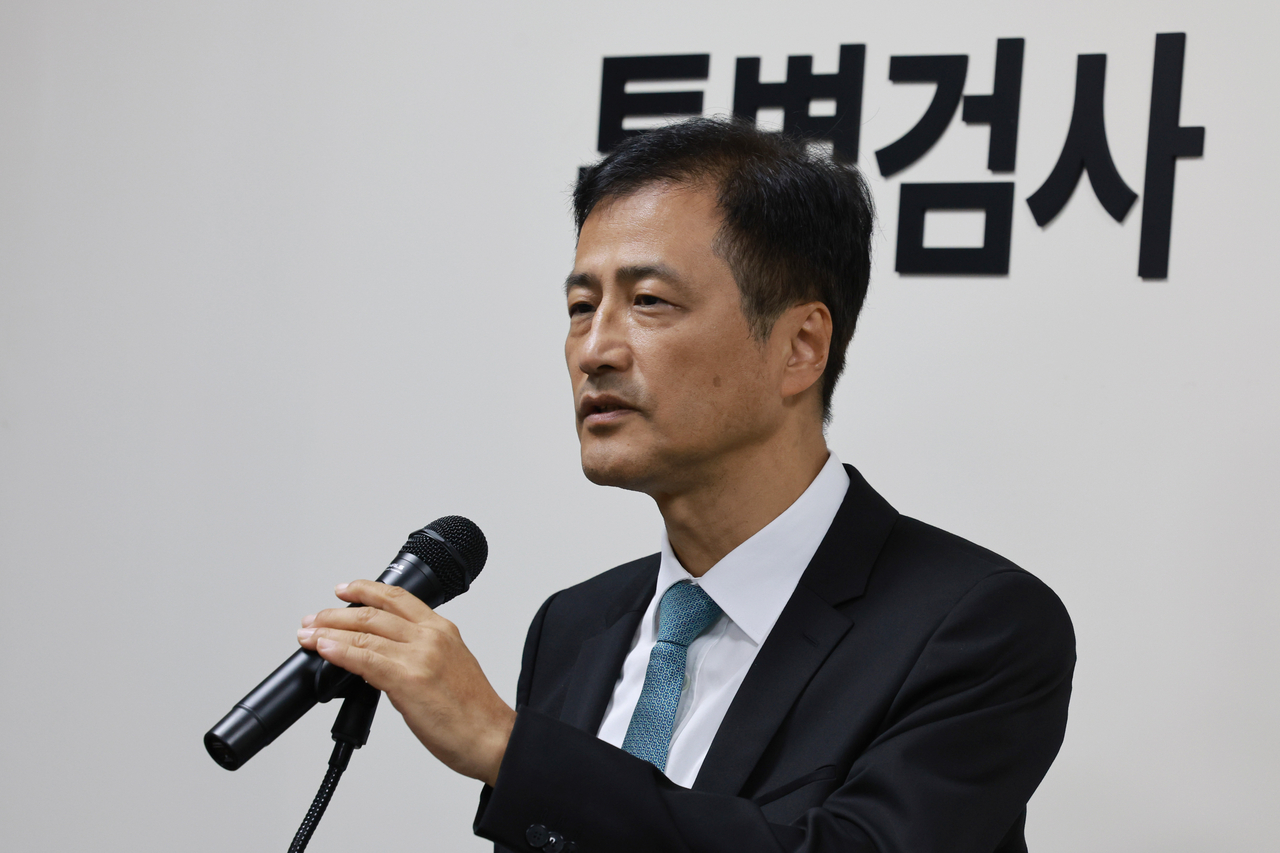
The special prosecutor's team investigating the National Election Commission — including the ballot shortage that erupted during the June 3 local elections and other alleged irregularities — said Thursday it had uncovered evidence that election offices falsified real-time, hourly voter-count data during the vote, and launched forced searches of regional NEC offices.
The special prosecutor's office said it began executing search and seizure warrants at 9:10 a.m. at seven locations: four provincial election commissions — South Chungcheong, Gwangju-South Jeolla, South Gyeongsang and Gangwon — two district-level commissions in Busan's Nam-gu and Jeju's Seogwipo, and the NEC headquarters. The team deployed 31 personnel in total, including three prosecutors, 20 investigators and eight digital forensics specialists.
The team had stationed forensic investigators at NEC headquarters to analyze log data from the election management system showing hourly voter counts at polling stations nationwide. It said it had also questioned more than 70 NEC civil servants at the township, county and district levels who were responsible for reporting real-time turnout figures during this year's local elections.
In addition to the five districts — Seoul's Seocho-gu and Gangnam, Gyeonggi Province's Gimpo and Uiwang, and North Chungcheong Province's Jincheon — previously confirmed by a joint police-prosecution task force, the special prosecutor's team said it had found falsified hourly voter-count entries in the election management system and vote-counting reporting system in 25 more regional election commissions nationwide.
The 25 areas are Seoul's Guro, Mapo and Seongbuk; Gyeonggi Province's Guri, Pyeongtaek, Suwon, Yongin, Seongnam, Namyangju, Yeoju and Dongducheon; Cheongju in North Chungcheong Province; Cheonan's Seobuk-gu and Dongnam-gu and Geumsan in South Chungcheong Province; Nam-gu in Busan; Changwon in South Gyeongsang Province; Buk-gu in Gwangju; Mokpo, Gwangyang and Hwasun in South Jeolla Province; Chuncheon, Jeongseon and Hwacheon in Gangwon Province; and Seogwipo in Jeju.
The team said it believes that when falsely entered voter counts for a given time slot exceeded the actual final tally at the 30 district election commissions, officials either went back and replaced all figures with new false numbers to make them appear normal, or left the inflated entries unchanged and continued inputting the same value — or a fixed increment — for subsequent time slots.
"The falsified hourly voter counts were publicly released as real-time turnout data, and such false entries constitute a serious crime that undermines public trust in the fairness and transparency of elections, breeds distrust in the electoral system itself, and threatens the very foundations of democracy," a member of the special prosecutor's team said. "We intend to focus our investigative resources on establishing the cause and determining who bears responsibility."
bell@heraldcorp.com




