
Part Seoul National University, part hagwon, part character-education center — Mayor Lee Sang-ho's education development zone takes shape with ambition and precision
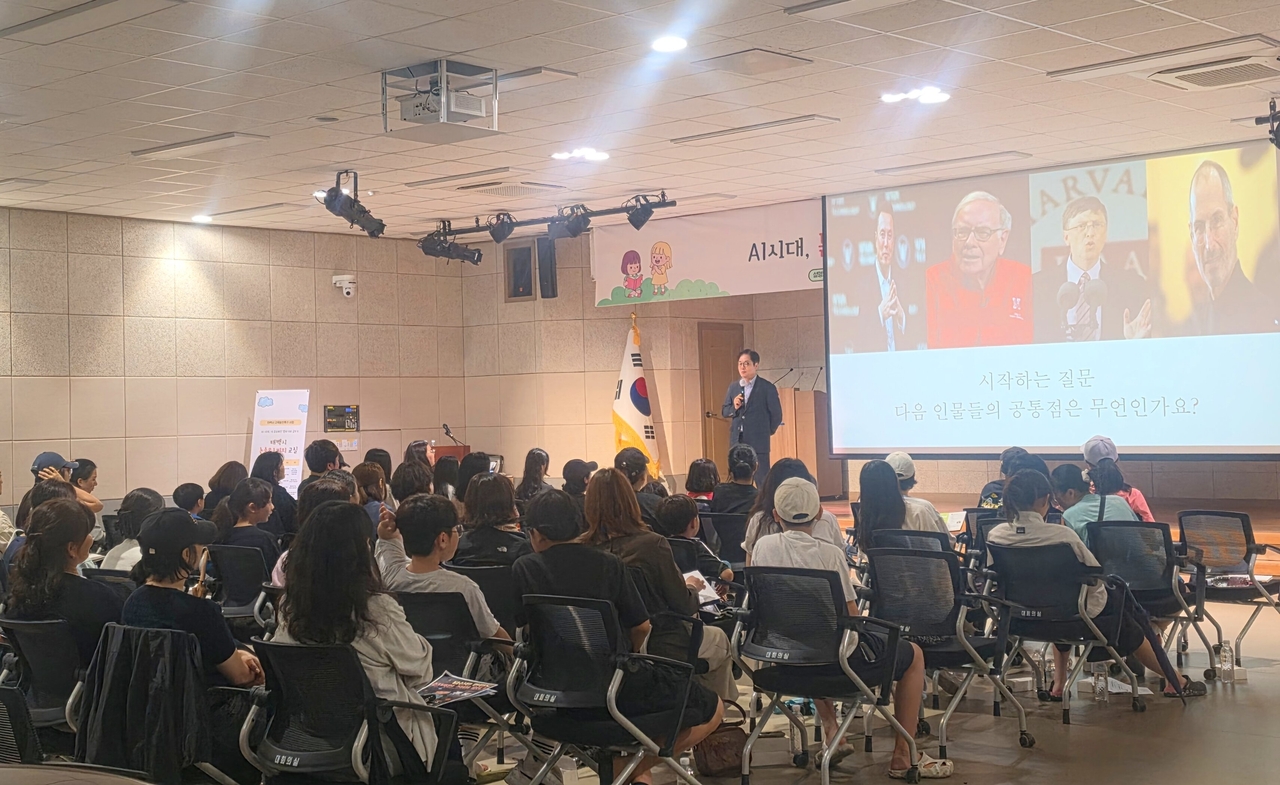
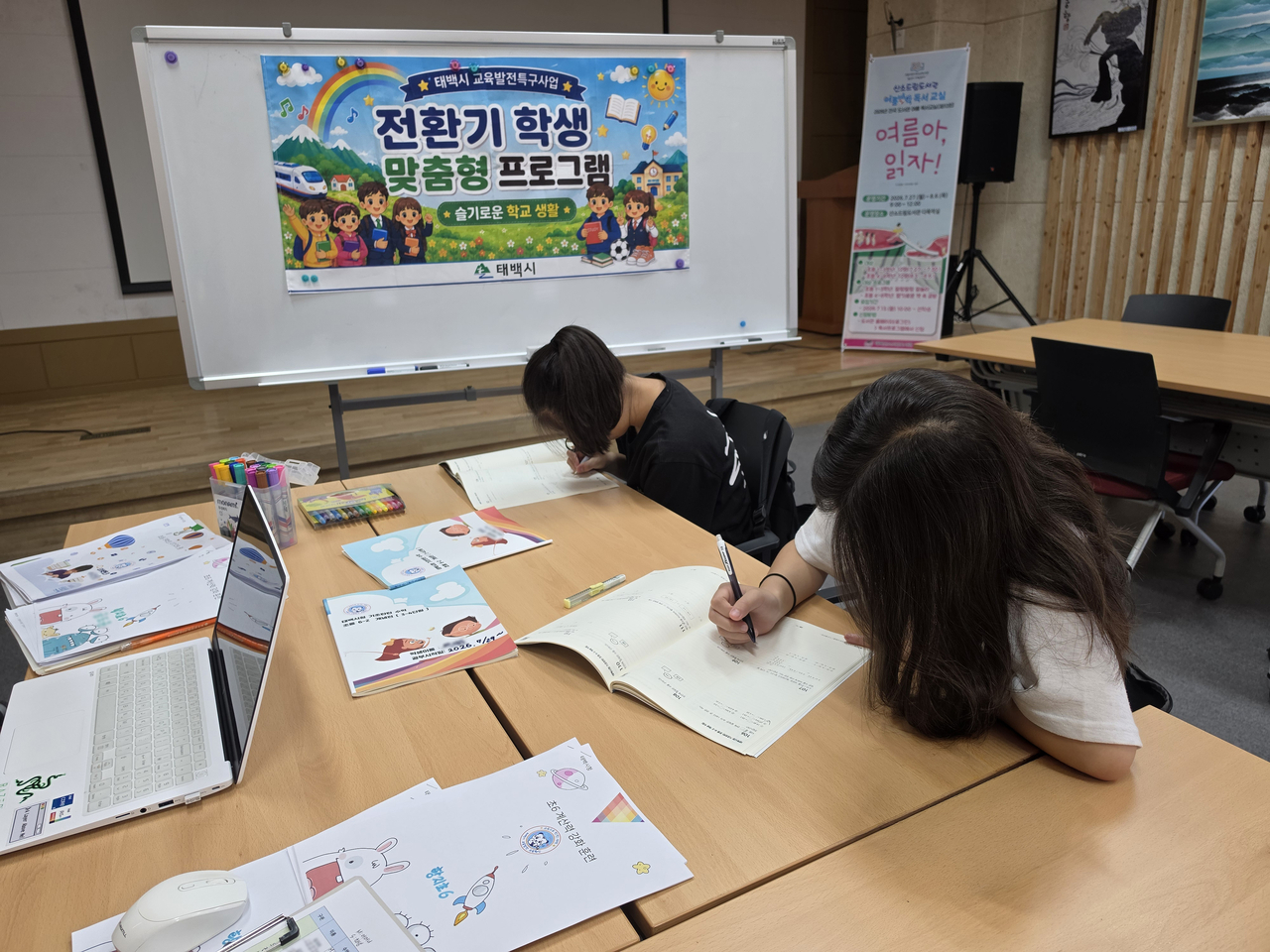
Taebaek's education policy, as currently carried out, looks something like a mashup of a prestigious Seoul university, a well-known education company, a character-development center, a speech training hagwon and a lifelong learning institute all rolled into one.
The scope is sweeping: academic achievement and college admissions counseling, public speaking, career planning, advanced technology education, character development, persuasive and logical writing, and training in economic and financial literacy — everything a student needs to become a well-rounded member of society.
Watching Taebaek execute its pilot education development zone project, one moment it resembles the student affairs office of Seoul National University, the next it calls to mind MegaStudy, and at other times it takes on the feel of a healing-oriented character education institution.
Taebaek is broadening students' educational choices and providing diverse learning opportunities suited to each stage of their development. The city runs five specialized programs — a career and college counseling center, the online public learning platform "Tantan Baeumt'eo," a Maker AI Education Center, essay and speech education, and a transitional-year student support program — covering everything from career exploration to academic preparation and college admissions. The execution is meticulous, like the brushwork of a photorealist painting.
Taebaek Mayor Lee Sang-ho once campaigned with the slogan "Lee Sang-ho will serve you right," pledging to work harmoniously even with a governor from a different party. Known for his sturdy, no-nonsense bearing, Lee reveals a surprisingly tender and attentive side in the fine details of the city's education initiatives.
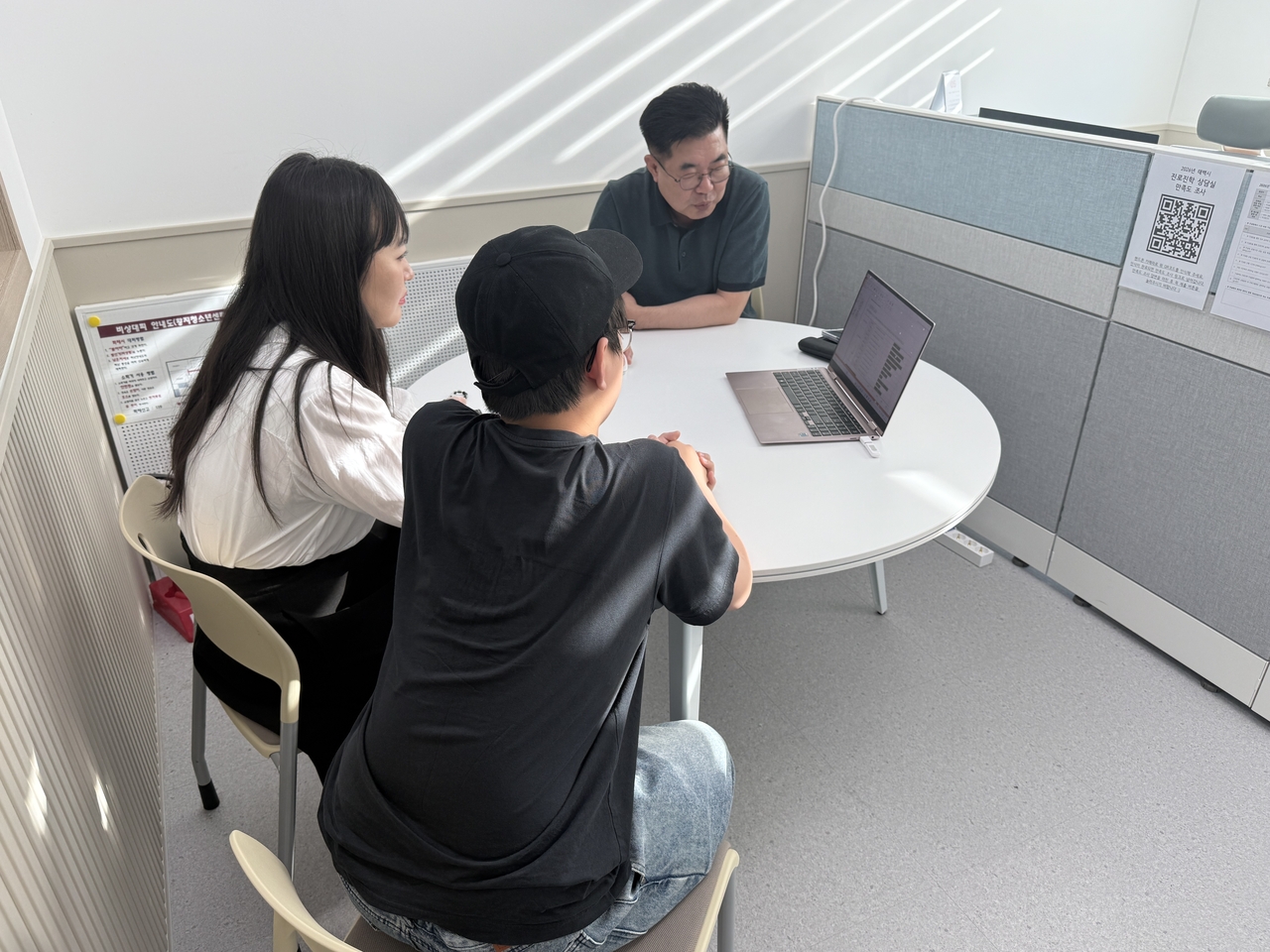
Personalized college and career counseling with expert guidance
The career and college counseling center pairs students with professional consultants and former university admissions officers who provide tailored advice based on each student's aptitude and academic level. From last year through the end of September this year, the center conducted 734 counseling sessions.
Operating out of three hubs — the Sangjang Youth Culture Center, the Sanso Dream Library and the city library — the program offers elementary school students help with study habits and foundational academic assessment, middle school students guidance on career planning and high school entrance strategies, and high school students support with university admissions analysis, school record management and interview preparation.
Services also include strategies for early and regular admissions applications, analysis of admission prospects by target university and department, and counseling on special admissions tracks and job preparation for students at vocational high schools. College entrance information sessions and career and admissions lectures for parents round out the offering.
Free access to premium online lectures through 'Tantan Baeumt'eo'
Next to Tongni Elementary School in Taebaek stands Tantan Park, the filming location for the K-drama series "Descendants of the Sun." The word "tan" means coal. Once the heart of the coal industry, the site has been transformed into a popular national tourist destination.
"Tantan Baeumt'eo" is an online public learning platform that allows Taebaek youth to access well-known paid educational content free of charge. Open to users aged 11 to 24, the platform had 269 registered users through the end of September this year.
It offers curriculum-based content for elementary, middle and high school students from providers including MegaStudy and Milk T, as well as non-curriculum content in areas such as professional certification, reading and lifelong learning from Eduwill, Millie's Library and K-MOOC.
AI-powered learning diagnostics and learning-style analysis recommend content matched to each user's level, and the platform includes features designed to support self-directed study.
Elementary and middle school students can borrow tablet PCs to reduce the burden of acquiring devices, allowing them to use the platform's educational content at home as well.
Maker AI Education Center: hands-on future technology training
The Maker AI Education Center offers practice-oriented instruction that lets students directly experience and apply cutting-edge technologies.
Located on the second floor of the Sangjang Youth Culture Center, the facility runs project-based classes across a range of fields, including AI music production, autonomous driving and humanoid robots.
Courses run at multiple levels, from basic coding through autonomous driving and robot control. Through the end of September this year, the center provided instruction to 1,043 students across 55 classes at 18 elementary, middle and high schools, as well as 107 individuals enrolled in 12 separate sessions. Starting in November, the curriculum will expand into more specialized advanced technology fields, including AI agents, semiconductors and content creation.
The center also runs an outreach program that brings AI education directly to schools, and offers ongoing hands-on activities at the facility itself, including robot-assisted baduk, virtual reality, augmented reality and drone experiences.
Essay and speech education: building logical, persuasive young communicators
The essay and speech program is designed to strengthen students' literacy, logical thinking and communication skills through writing, debate and presentation.
In-school sessions focus on writing and presentation practice using news articles and books, while intensive vacation courses provide advanced training in debate and interview speaking. Through the end of September this year, the program reached 3,559 students across 188 classes at 12 elementary, middle and high schools, along with 46 individuals in three separate sessions.
An online literacy component served 40 students in eight classes, covering news article and column analysis, writing practice and expert feedback.
A debate competition is planned for November to give students a chance to demonstrate the discussion and presentation skills they have developed.
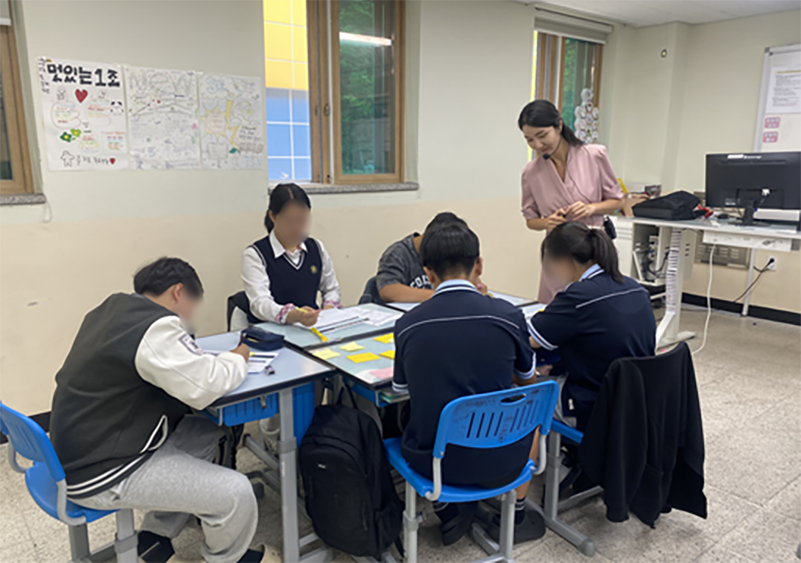
Transitional-year support program: easing the leap to the next school level
The transitional-year student program targets sixth-graders in elementary school and third-year middle school students, providing foundational academic support and help adjusting to life at their next school.
During school vacations, sixth-graders take part in a nine-week foundational curriculum covering Korean reading comprehension, 800 core English vocabulary items for middle school and key mathematics concepts. The program also addresses self-directed study strategies such as time management and test preparation.
Through school outreach sessions, sixth-graders receive guidance on understanding adolescence, peer relationships and preparing for middle school life, while third-year middle school students are coached on career exploration, high school study strategies and emotional management.
In addition, the program incorporates economic and financial education to help students develop sound spending habits and a basic understanding of personal finance.
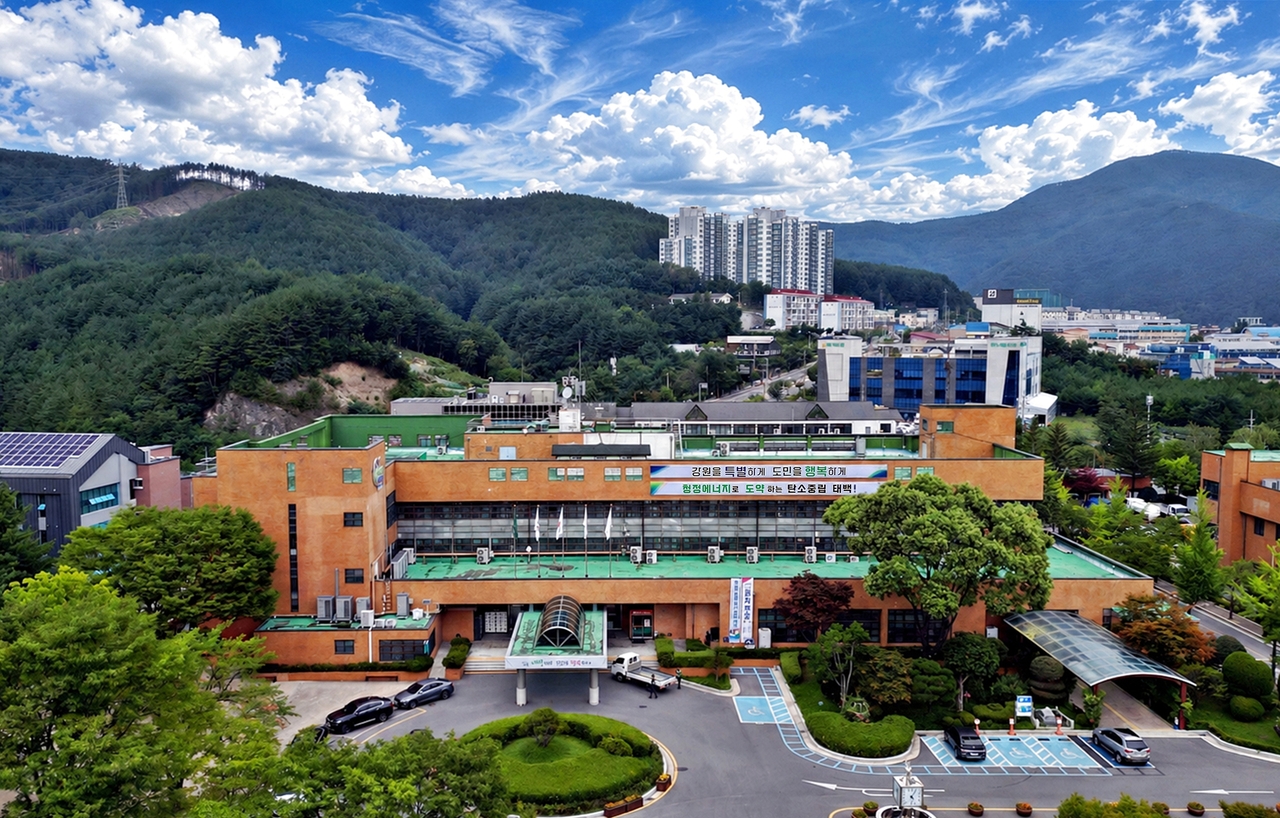
"Through the education development zone, Taebaek's distinctive approach to education is providing real, practical benefits to students and parents," a city official said. "We will continue to diversify our programs and raise their quality to actively support students' growth and preparation for the future."
Meanwhile, Taebaek has also applied, together with the Taebaek Office of Education, for a national education innovation leader district grant. The city plans to pursue a "10-minute education living zone" model centered on shared curriculum programs among small schools, personalized student growth support and the establishment of a safe student transportation system.
abc@heraldcorp.com




