
Incheon Transit Corp. links train location and passenger density data to automate air conditioning control
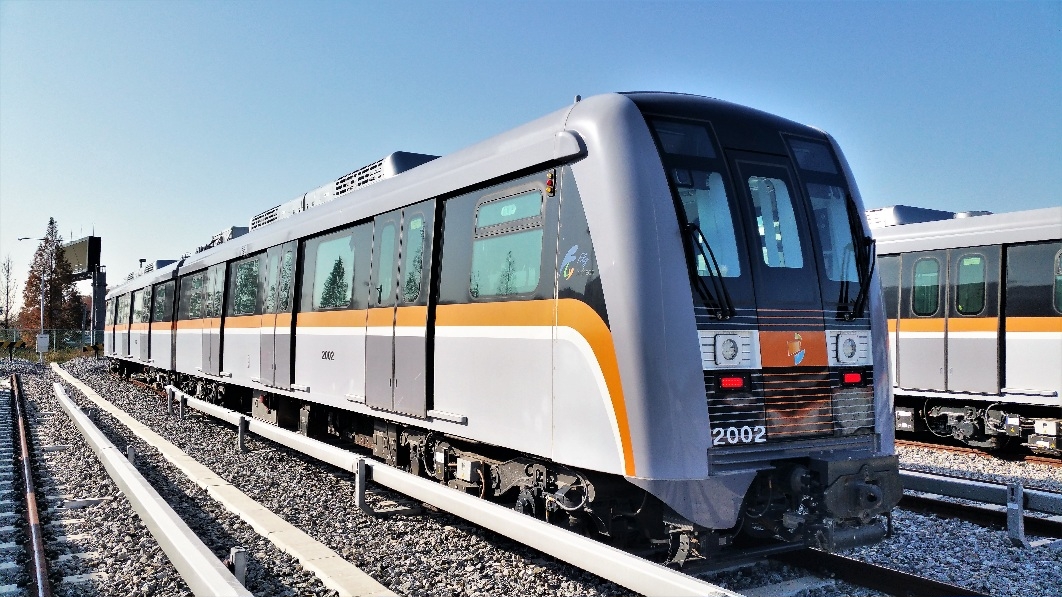
Complaints about excessive heat in Incheon Metro Line 2 carriages during rush hours have dropped sharply since the introduction of a smart cooling control system, the operator said Wednesday.
The improvement came even as outside temperatures ran higher than the previous year, with proactive cooling driven by passenger density and train location data reducing discomfort for riders.
Incheon Transit Corp. said it upgraded its in-house "intelligent smart cabin cooling system," resulting in a 64.9 percent drop in heat-related complaints about carriage temperatures during rush hours in August compared with the same period last year.
According to the corporation, heat complaints filed between 7 a.m. and 10 a.m. and between 5 p.m. and 8 p.m. in August totaled 154, down 285 from 439 in August last year.
Particularly notable was the morning commute: complaints between 7 a.m. and 8 a.m. fell 76 percent, from 166 to 40, underscoring the system's effectiveness during the peak outbound hour.
Overall carriage temperature complaints also declined. The total fell from 675 in August last year to 484 this August, a drop of 191 cases, or 28.3 percent.
The results are especially striking given that Incheon's average temperature in August rose from 27.4 degrees Celsius last year to 28.1 degrees this year, yet passenger discomfort still decreased.
The gains stem from a redesigned cooling response framework tailored to Line 2's fully automated, driverless operation.
The corporation said that last year, 91 percent of all complaints concerned carriage temperature adjustments, with 84 percent of those specifically citing excessive heat — prompting it to develop a more precise cooling control approach.
In July, the corporation's central control center used its own technical capabilities to build a smart cooling system linking real-time train location data with passenger density figures for each segment of the line.
The system pre-cools carriages before a train enters a crowded section and automatically eases cooling intensity once the train moves past the congested zone.
The system was further refined in August. Cooling-setting zones, previously segmented by density and time of day, were expanded from five to 10, and inbound and outbound congestion zones were separated so that cooling could be calibrated to both direction of travel and time of day.
"This system upgrade allowed us to improve both passenger comfort and energy efficiency at the same time," Incheon Transit Corp. President Choe Jeong-gyu said.
gilbert@heraldcorp.com




