National audit targets Ministry of Education-affiliated bodies including KCUE and Korea Student Aid Foundation
Uway CEO Seong Yun-seok to face questions on system failure and extended application window
Fairness concerns over competition-rate disclosure during extended period also on agenda
Dispute over Northeast Asian History Foundation chief's dismissal expected
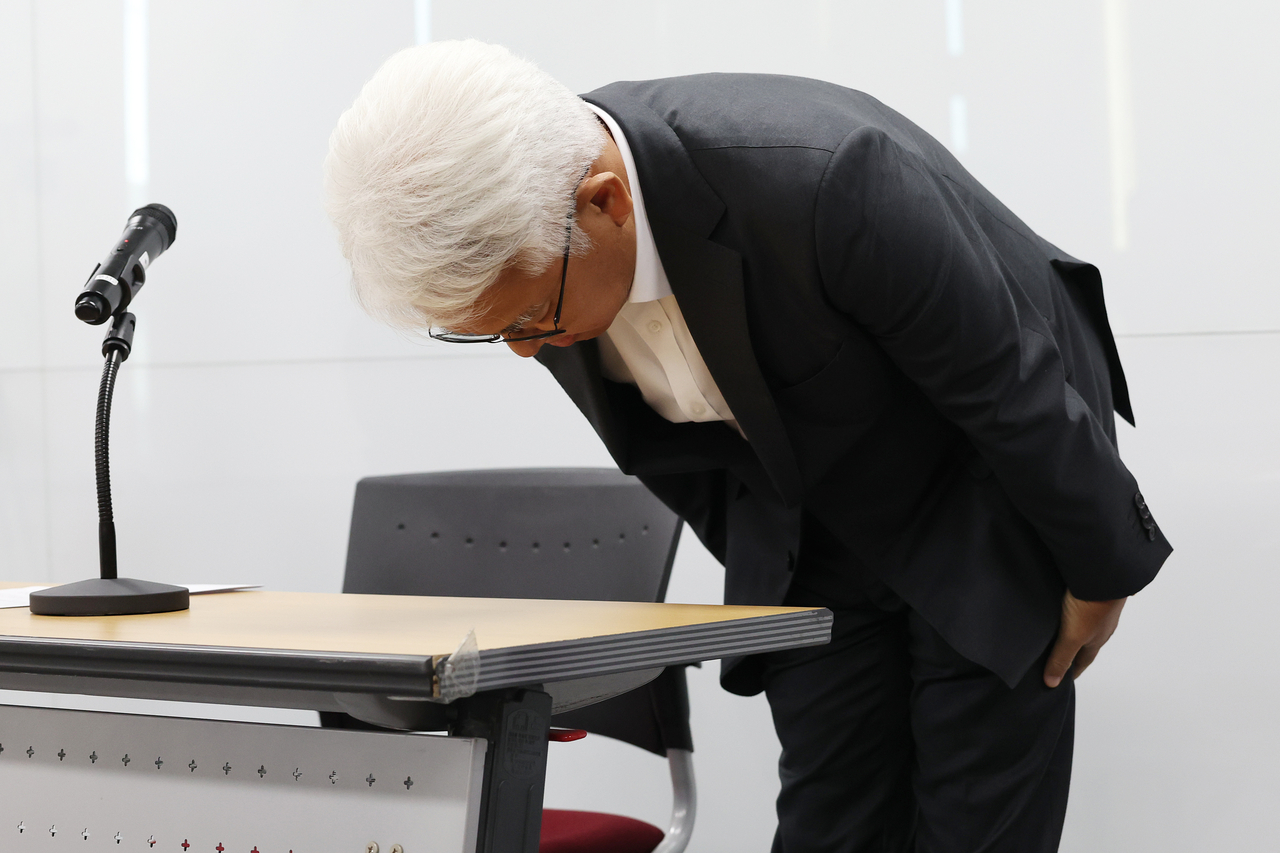
Seong Yun-seok, CEO of Uway Apply — the company behind a system outage that disrupted university early-admission applications — will appear as a witness before the National Assembly's national audit. Lawmakers are expected to press him on the cause of the failure, which struck just before the application deadline, as well as the fairness concerns that arose after some students were able to submit applications with knowledge of competition rates that had already been made public.
The National Assembly's Education Committee will conduct its national audit Monday, examining bodies affiliated with or related to the Ministry of Education, including the Korea Council for University Education, the Korea Student Aid Foundation, the Northeast Asian History Foundation and the National Institute for Lifelong Education. Seong will testify as a witness to answer questions about the system failure and the decision to extend the application window.
System crash 10 minutes before deadline puts Uway, KCUE in the hot seat
The central issue is the outage that struck Uway Apply's system on Sept. 11, disrupting applications for the 2027 academic year's early-admission round. The failure occurred at around 5:50 p.m., roughly 10 minutes before the deadline, leaving some applicants unable to complete their submissions or payments. During the extended window that followed, 17 universities published their competition rates based on the original deadline, allowing students who saw those figures to apply with an advantage over others — a situation that sparked a fairness controversy.
The Ministry of Education and the Korea Council for University Education subsequently conducted a relief review. When results were announced Sept. 17, 414 applications were deemed eligible for relief, of which 354 were confirmed. For three cases in which applicants were found to have checked competition rates before submitting during the extended window, universities were advised to cancel those applications.
The audit is expected to focus on whether Uway managed its system responsibly and responded adequately to the failure, and whether the council properly coordinated the extension and notifications to individual universities. A key question will be whether the process both protected affected applicants and preserved fairness for those who had submitted on time. Lawmakers on the Education Committee had earlier called for a clear accounting of responsibility not only from Uway but also from the Ministry of Education and the council.
At the Ministry of Education's national audit last Wednesday, critics said the initial response was inadequate despite a similar problem having occurred the previous Sunday. Monday's audit is expected to include pointed questions to both the company that handled the actual application process and the council about specific remedial measures.
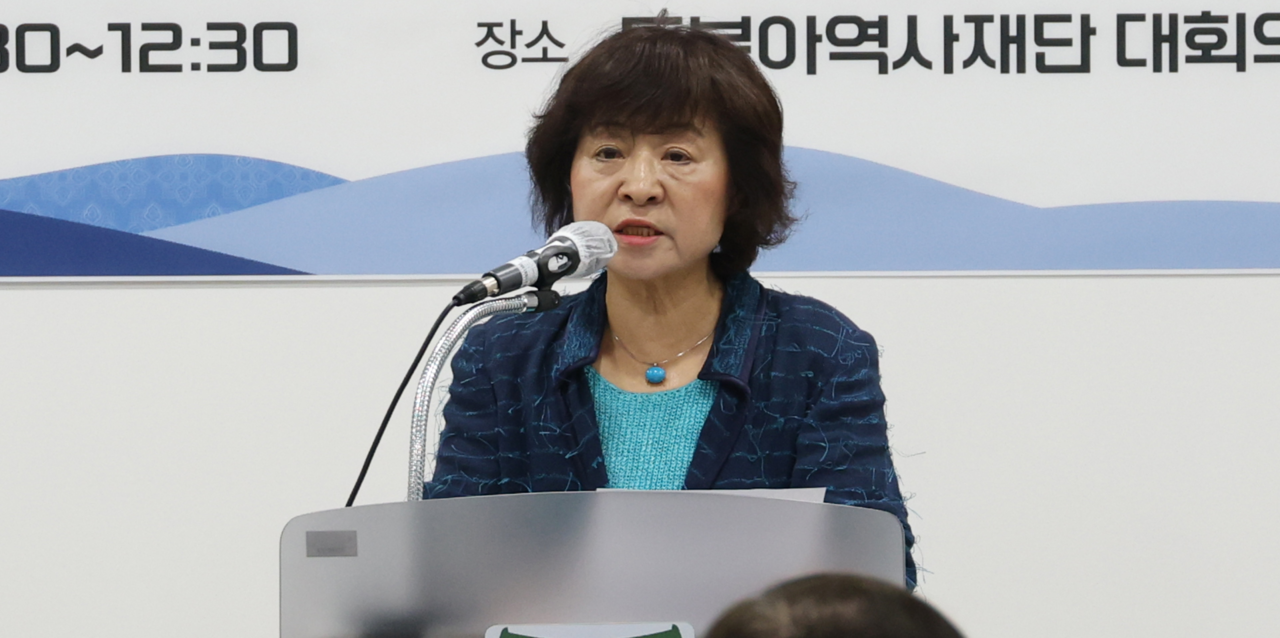
Foundation chief faces dismissal push amid budget and targeted-audit dispute
The audit of the Northeast Asian History Foundation is also expected to be contentious, with scrutiny falling on Chairperson Park Ji-hyang's budget expenditures and the Ministry of Education's push to dismiss her. The ministry referred the matter to police after concluding that Park had used foundation funds for field trips to Ulleungdo and Dokdo and for a weekly forum that were not included in the approved project plan or budget. The ministry notified Park of a suspension of duties and asked the foundation to convene a board meeting to process a dismissal motion.
Park contested the suspension, and a court last August granted her request to stay the suspension order, ruling that it could not be determined with sufficient certainty whether the expenditures constituted unauthorized spending, whether there was intent to commit occupational embezzlement, or whether a suspension of duties was warranted. The ministry said the court's stay ruling and its dismissal request were separate matters.
After returning to work, Park raised the possibility that the investigation amounted to a targeted audit and said she intended to serve out her term. The audit is therefore expected to produce clashes not only over the propriety of the budget spending but also over whether the ministry's investigation and disciplinary action were justified.
The historical perspectives expressed at the foundation's weekly forum may also come under scrutiny. Democratic Party of Korea lawmaker Kim Jun-hyeok earlier said, citing lecture materials, that the forum had included biased content — including arguments defending pro-Japanese collaboration and asserting that the South Korean state was founded in 1948. Whether the lectures and the forum's operation were appropriate given the foundation's mandate to counter historical distortions by neighboring countries is also expected to be examined.
Also on the agenda is a proposed merger of the Northeast Asian History Foundation, the Academy of Korean Studies and the Institute for the Translation of Korean Classics, which researchers have opposed over concerns that it would weaken the country's capacity to respond to territorial and historical disputes with neighboring countries. The Korea Research Foundation's handling of a data breach that exposed the personal information of some 120,000 researchers and others — resulting in a fine of 703 million won ($525,000) — is also expected to face scrutiny.
brunch@heraldcorp.com