Russian authorities say no plague or lab pathogens detected; WHO calls for cause to be confirmed
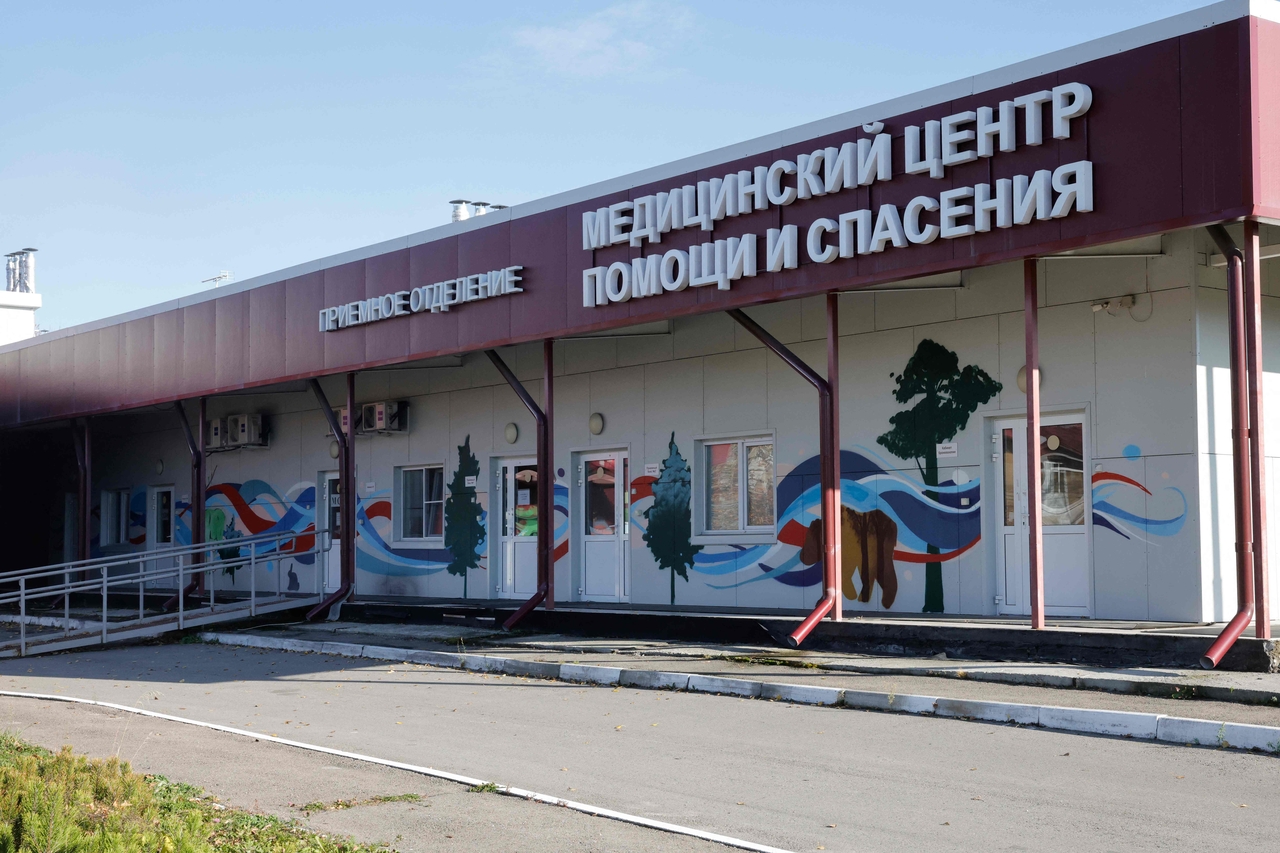
More than a week after a Russian researcher who handled plague and other dangerous pathogens died of unexplained pneumonia, the exact cause of her death has yet to be made public.
Russian authorities say tests found no plague bacteria or other pathogens handled at the laboratory, but the World Health Organization has also pressed Moscow to identify the specific pathogen responsible.
According to The New York Times on Saturday (local time), Darya Shipilova, 28, a researcher at Russia's Siberia and Far East Plague Research Institute, died Oct. 2. Her official cause of death remains "pneumonia of undetermined origin."
Shipilova worked with dangerous pathogens, including plague bacteria. Russian health authorities said an examination of her remains detected neither plague bacteria nor any of the other dangerous pathogens handled at the institute.
Two inspections of the laboratory were also conducted, but Russia says no emergency situation — such as a pathogen leak — was found. Contact tracing in the Irkutsk region turned up no additional infections.
However, questions are growing over Russia's transparency after thousands of tests failed to produce a public identification of the pathogen that caused the pneumonia.
Some health experts say that given current testing and genomic analysis technology, authorities have likely already conducted enough tests to determine the cause.
The WHO has also called on Russia to confirm the cause. Maria Van Kerkhove, the WHO's head of epidemic and pandemic preparedness and prevention, said that if plague had been ruled out, it was necessary to establish what actually caused the death.
The WHO said, however, that it has not received sufficient information from Russia to conduct its own risk assessment at this time.
In the United States, the case is being watched closely in light of longstanding intelligence assessments that Russia maintains a biological weapons program. Still, US intelligence officials said there is no indication that the Irkutsk institute where Shipilova worked was involved in biological weapons research.
Experts also cautioned against linking the death to biological weapons research solely on the grounds that information has not been fully disclosed.
Alexander Kelle, a senior researcher at the Institute for Peace Research and Security Policy at the University of Hamburg in Germany, said "research on dangerous pathogens can have legitimate public health purposes" and that "a lack of information should not be equated with malicious intent."
brunch@heraldcorp.com