Goseong, Sokcho, Yangyang, Gangneung, Donghae and Samcheok
Mutual development council vows to shed parochialism
Eyes on whether Taebaek, Jeongseon, Pyeongchang and Inje-gun will join
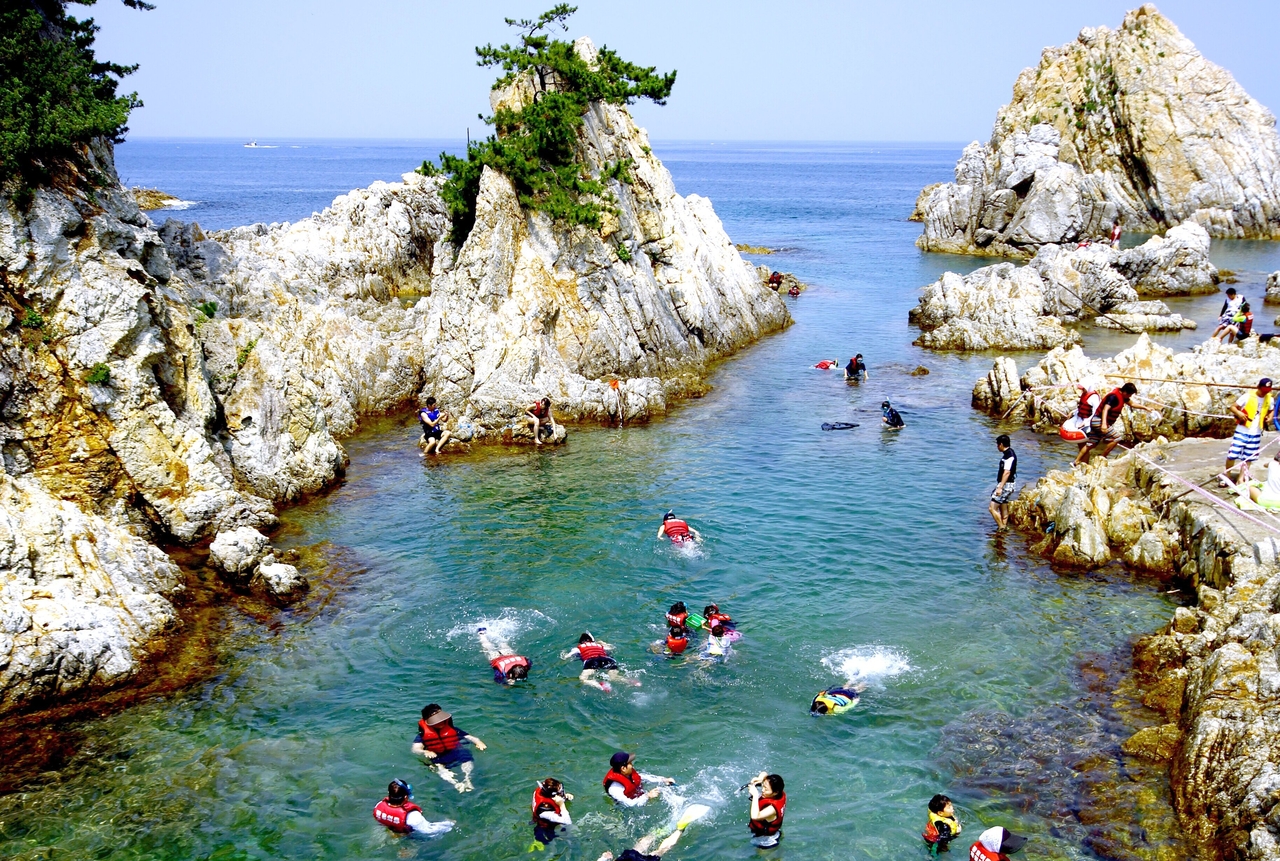
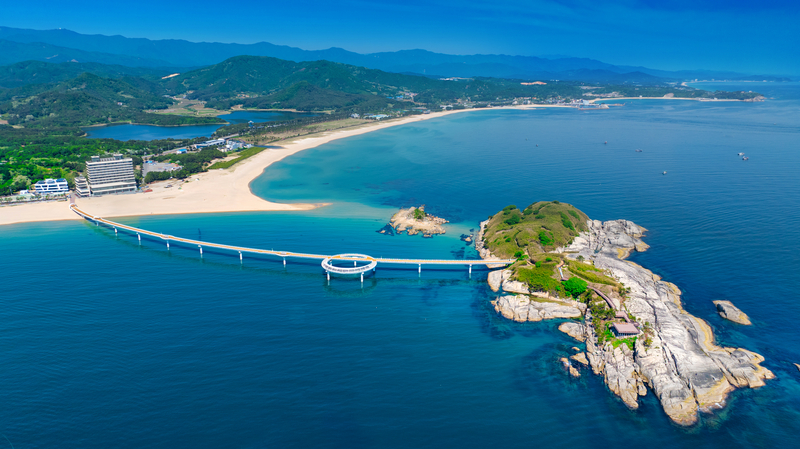
Goseong, Sokcho, Yangyang, Gangneung, Donghae and Samcheok are tourism cities along the East Sea coast of Gangwon Special Self-Governing Province, and all six have been on an upward trajectory as hubs for advanced industry and logistics.
When Samcheok thrived, neighboring Donghae sometimes expanded the tourism economy by riding the same wave — but the two also clashed in wasteful competition. When Goseong's popularity rose, Sokcho and Yangyang pushed back. When Gangneung surged ahead, Donghae and Sokcho stoked fierce rivalry, pouring energy into tourism and industrial development of their own.
The six cities and counties have sharpened their capabilities through that competition — building a global tourism mindset and infrastructure, and sparring fiercely to attract advanced industries. Yet it is widely acknowledged that they have neglected the broader development of the entire Yeongdong region east of the Baekdudaegan mountain range.
Despite holding natural, cultural, artistic and industrial assets that rank among the finest in South Korea alongside Busan and South Jeolla Province, the region as a whole has failed to grow — largely because of the parochialism that has generated so much friction.
The will to discard that parochialism is now coalescing among the six cities and counties.
The model they are looking to is Japan's Shoryu-do project — named for the image of a dragon ascending to the heavens, reflecting the overall topography of the Chubu region between Tokyo and Osaka — through which nine prefectures achieved shared prosperity.
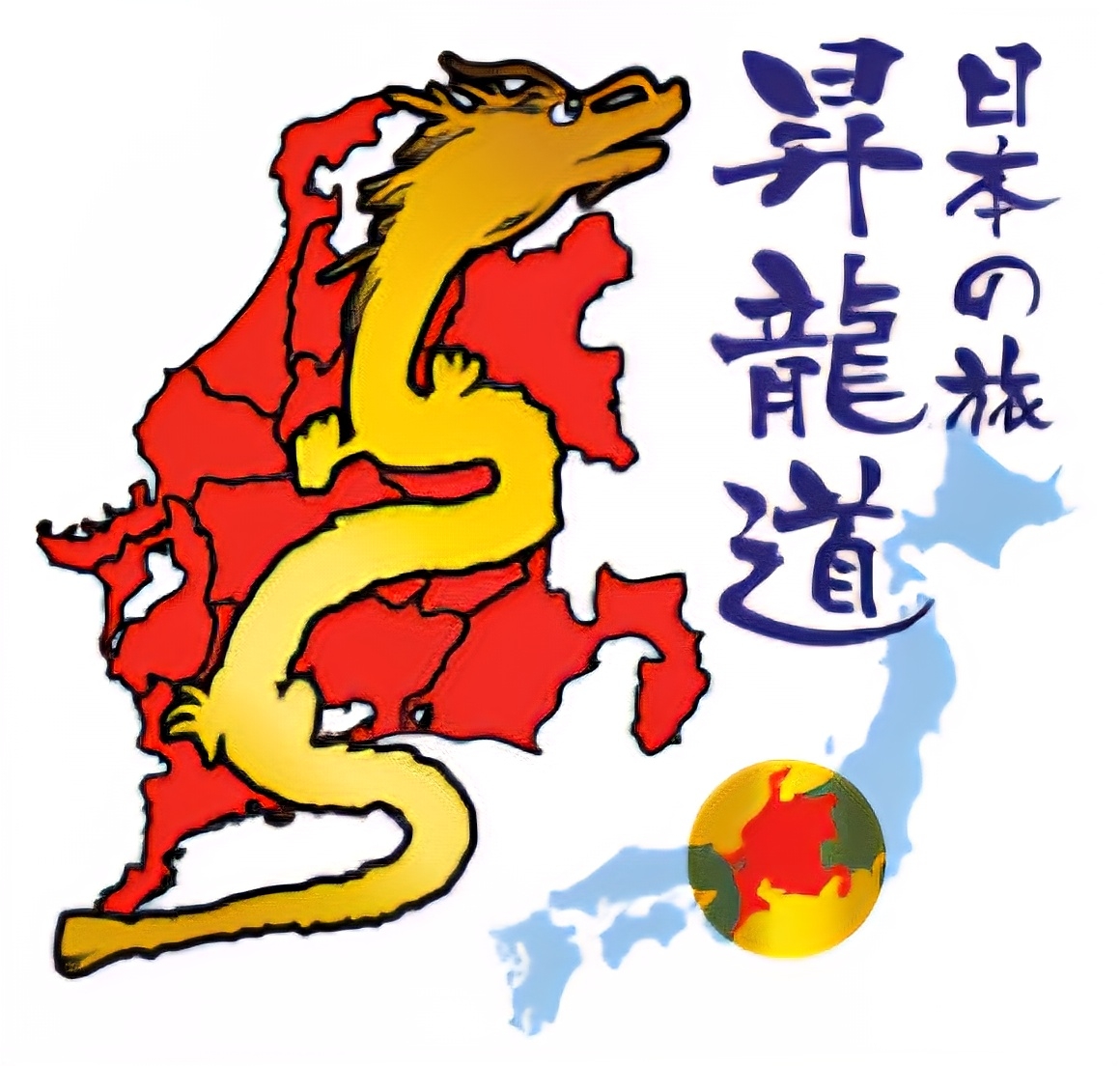
Japan's Ishikawa, Toyama, Fukui, Shiga, Mie, Nagano, Aichi, Shizuoka and Gifu prefectures concluded that economic development through individual effort alone was too difficult, and over the past 15 years they have achieved remarkable growth through the Shoryu-do collaboration project, which dismantled the boundaries between them.
Toyama and Nagano — gateways to Japan's Alpine Route — and Gifu, famous for the World Heritage village of Shirakawa-go, have become popular destinations among Korean travelers. Ishikawa, rich in diverse stories, and Aichi, which recently joined the roster of Asian Games co-host cities, have also reached a considerable level of globalization.

Through industry-specific community networks, these regions have raised the quality of their tourism economies by sharing not only basic operational manuals but also small details — such as techniques for instantly putting guests at ease.
The mutual cooperation project played a decisive role in transforming what had been Japan's rugged backslopes into genuinely attractive destinations.
Italy's Sorrento, Positano and Amalfi offer another example: the three towns joined forces so effectively — developing shared tourism routes and more — that even the nearby major city of Naples took notice with envy. Positano and Amalfi, once known only to insiders, are now overrun with global visitors. Seattle and Portland in the United States have similarly developed joint travel itineraries.
Small-city parochialism and the misguided local policies of tearing down rivals to win votes ultimately trap a region's finest assets — confining them to a domestic audience, or even just to Gangwon residents or county residents.
Gangneung Mayor Kim Jung-nam said in a recent exclusive interview that he would "set aside Gangneung's own ambitions and actively support neighboring cities and counties where support is needed."
It is also possible that some additional cities and counties could join the cooperation effort: Taebaek, which long shared close ties with the former Samcheok County; Jeongseon-gun, situated near Donghae; Pyeongchang, which worked closely alongside Gangneung during the 2018 Winter Olympics; and Inje-gun, which has been mentioned alongside Sokcho, Goseong and Yangyang in discussions about integration.
According to the six Yeongdong cities and counties, they held the 13th regular session of their Mutual Development Council — chaired by Goseong-gun County Chief Ham Myung-jun — at Gangneung City Hall on Wednesday. The broad outlines and detailed action plans of the cooperation framework are taking shape. The agenda items were highly specific, reflecting a clear intent to collaborate down to the finest details.
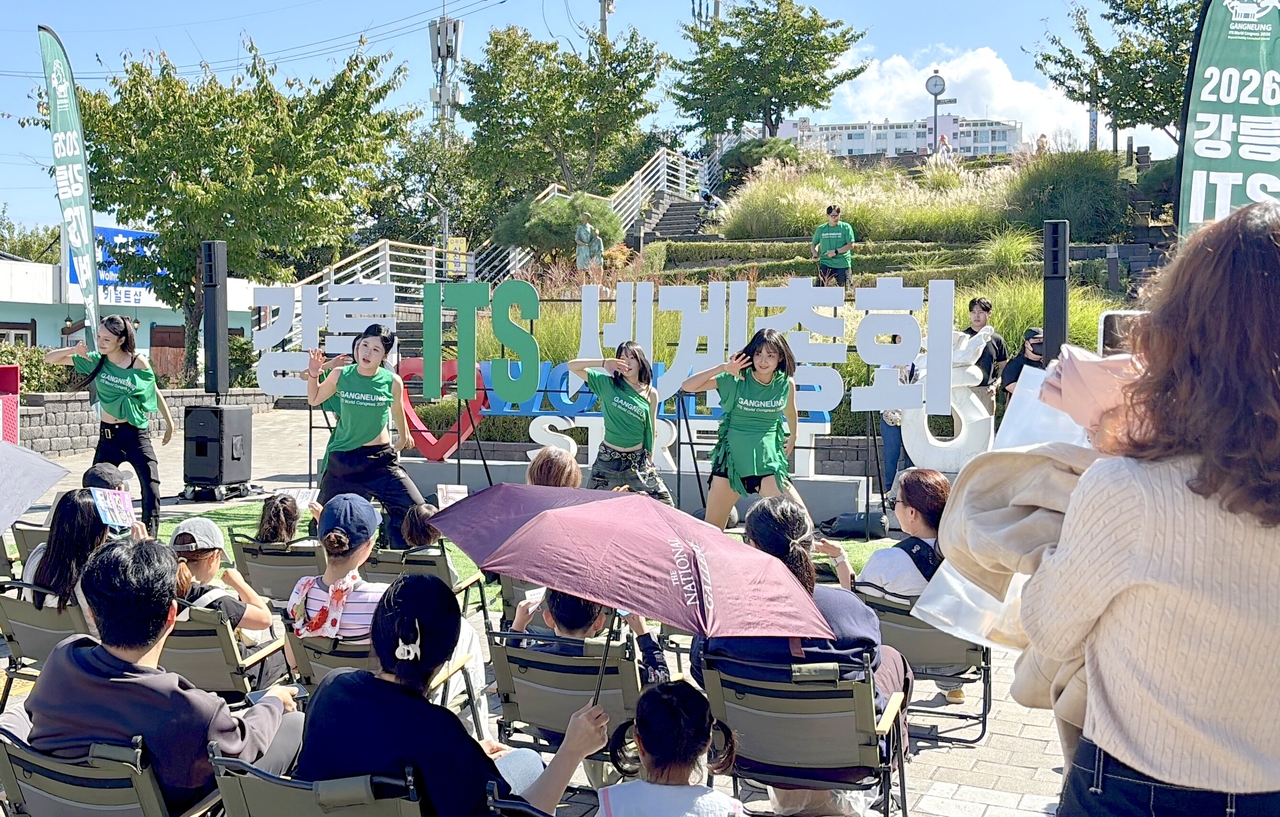
Three new agenda items were the focus of discussion: joint measures to improve safety management at undesignated beaches during summer, participation in the 2026 Gangneung ITS World Congress, and the establishment of a cooperative framework for a wide-area public transportation network linking the six cities and counties.
The agenda item on improving safety at undesignated summer beaches was proposed by Goseong-gun. Over the past four years, 126 accidents and 43 deaths occurred at undesignated beaches along the East Sea coast during summer — a rate significantly higher than at designated swimming beaches.
In response, Goseong-gun proposed that the six cities and counties jointly petition the central government to create and expand national funding programs for additional safety personnel and facilities at undesignated beaches, and to reform the regulatory system to clarify the roles of management bodies and relevant agencies.

Gangneung also proposed two additional new agenda items: cooperation in promoting and supporting participation in the 2026 Gangneung ITS World Congress, and the pursuit of a joint research project to build a wide-area public transportation network connecting the six East Sea cities and counties into a single lifestyle and tourism zone.
Council Chair Ham Myung-jun, who also serves as Goseong-gun county chief, said the agenda items discussed at the 13th session "are not problems for any one city or county alone, but shared challenges the entire East Sea coastal region must solve together." He added that "safety, transportation and tourism are areas directly tied to residents' lives and regional competitiveness beyond administrative boundaries, which is why the six cities and counties must cooperate ever more closely."
abc@heraldcorp.com