'Climate crisis demands real safety, not slogans'
Chae calls for resident participation and administrative transparency amid Sangam waste facility dispute; urges climate disaster preparedness beyond carbon cuts; seeks balance between commercial vitality and livability in Mapo-gu
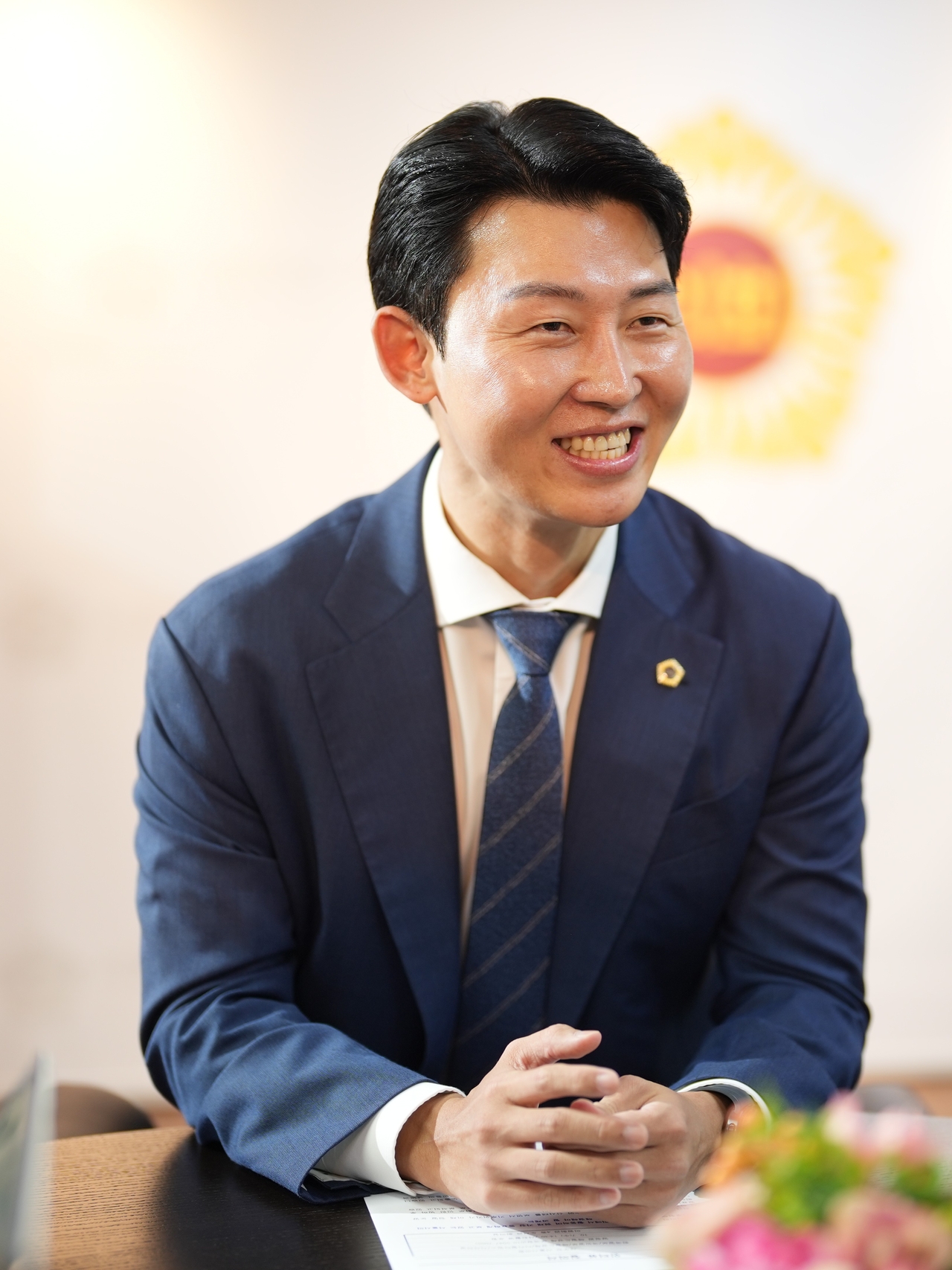
As heat waves and torrential rains recur and disputes over household waste facilities drag on, measuring the success of environmental policy by carbon reduction figures or facility construction alone is increasingly difficult. What matters more, critics say, is whether policies actually work on the ground — and whether residents' anxieties and inconveniences are genuinely taken into account.
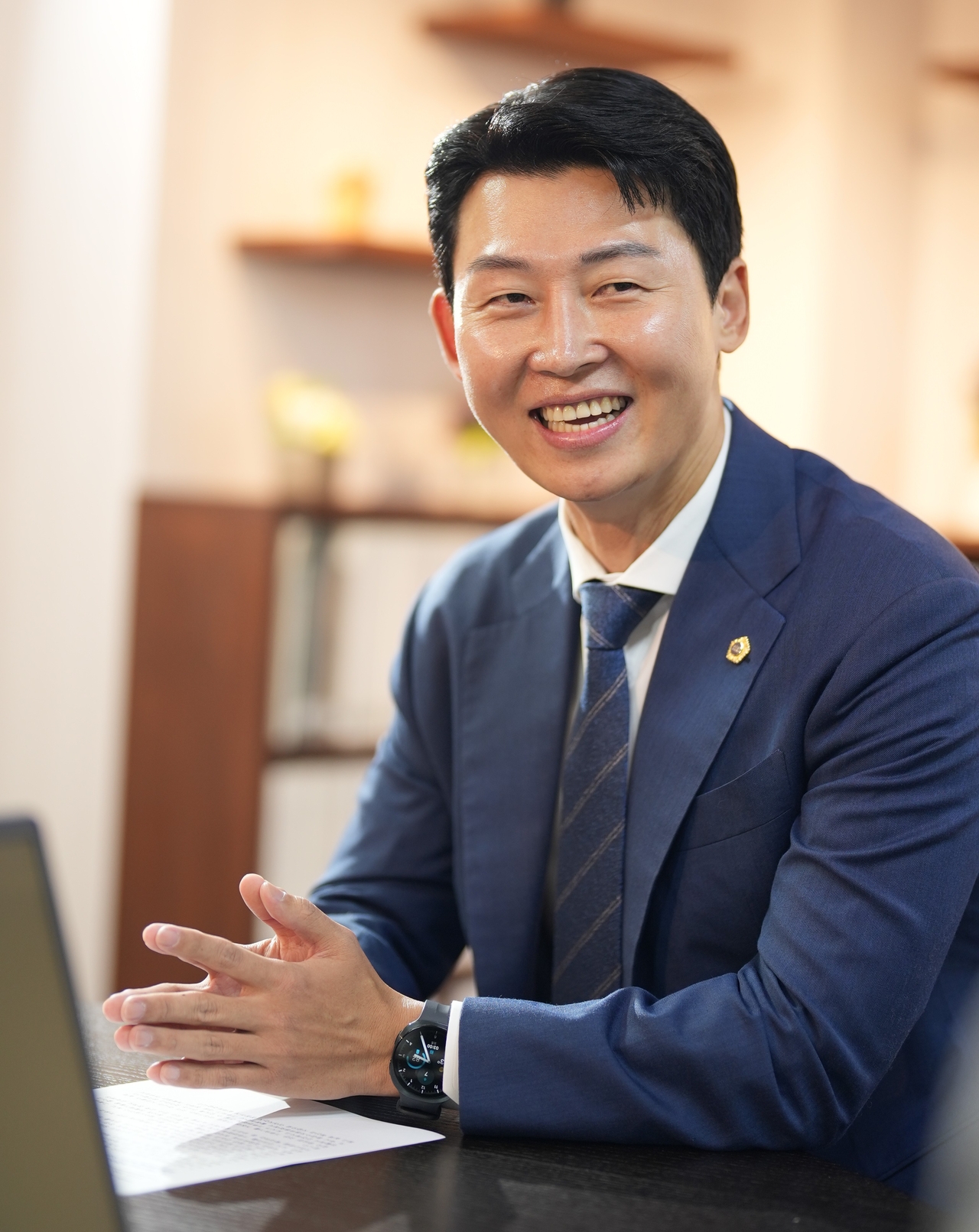
Seoul Metropolitan Council member Chae Woo-jin of the Democratic Party of Korea, representing Mapo District No. 3, says this concern demands a fundamental reset of environmental policy. A city's capacity to respond to the climate crisis, he argues, is revealed not in grand declarations but in drainage systems that reduce flood risk, shade structures that offer relief from extreme heat, and waste management systems that residents can trust.
Chae, a member of the Environment and Water Resources Committee, sat down for an interview Wednesday to outline his thinking on climate disaster preparedness, the proposed new waste-to-energy facility in Sangam-dong, resource circulation policy, Han River and park management, and improving the living environment in Mapo-gu.
"Environmental policy is not simply about how much carbon we cut — it is about how we protect the lives and safety of citizens," he said. "We need to put the full weight of policy and budgets behind building a city that can withstand the climate crisis."
The core of Chae's approach is shifting the starting point and the yardstick of policy to where citizens actually live. Achieving greenhouse gas reduction targets matters, he said, but so does identifying disaster-vulnerable areas in advance, upgrading everyday infrastructure, and ensuring that residents' voices are meaningfully reflected in administrative decisions.
Sangam waste facility dispute leaves lessons: 'Administration must start differently'
Among the issues Chae considers most pressing is the proposed new waste-to-energy facility in Sangam-dong. Because the matter involves both Seoul's citywide waste management needs and the quality of life of nearby residents, he said securing public trust in the decision-making process is just as important as procedural legality.
At a recent Environment and Water Resources Committee meeting, Chae raised the anxiety and psychological distress that residents experienced during the push to build the new facility. He said he secured formal apologies to residents from the head of the Climate and Environment Bureau and the head of the Waste-to-Energy Facility Task Force.
Chae did not see the apologies as the end of the matter. The deeper problem, he said, is an administrative habit of treating residents as recipients of after-the-fact explanations rather than as participants in decision-making when large-scale environmental infrastructure is being planned.
He said the city should publicly disclose the rationale for a site's selection, the alternatives considered, and how resident input was incorporated — and should allow communities to take part in discussions from the very beginning of a project.
"Seoul must move from an administration that pushes ahead with a project and then explains it to residents, to one that shapes the direction of a project together with residents," he said. "That is the only way to build public trust in environmental facilities and reduce unnecessary conflict."
That concern extends to Seoul's waste policy as a whole. Rather than focusing on securing more processing capacity, he said, the city needs to reduce the amount of waste generated in the first place and build systems that actually recover recyclable materials.
Chae identified reducing single-use items and excessive packaging, expanding the use of reusable containers, and improving the collection of recyclables that end up mixed in standard waste bags as key tasks.
He said policies that rely solely on voluntary citizen action have clear limits. Urging people to sort their waste means little if collection points are scarce or pickup systems are inconvenient, he argued.
Ultimately, he said, the administration must create conditions that make responsible behavior practical before asking citizens to take on the burden of environmental protection.
Beyond carbon cuts: Chae calls for climate disaster readiness and urban infrastructure overhaul
Chae's approach to the climate crisis is equally grounded in everyday life.
With extreme weather — heat waves, heavy downpours, flooding and cold snaps — becoming routine hazards, he said the city must examine whether existing urban infrastructure adequately reflects the changed climate.
He said a prevention-centered response system is needed, one that identifies climate-vulnerable areas in advance and upgrades drainage systems, green spaces and shaded areas before disasters strike.
This means expanding the scope of climate policy beyond the long-term goal of cutting greenhouse gases to encompass urban management aimed at minimizing harm to residents.
Chae said the harder work lies not in drafting policy but in making it function properly on the ground. The measure of success, he argued, should not be whether budgets were spent but whether actual risks declined and whether citizens noticed a difference.
He applied the same principle to the management of the Han River and public parks.
Sufficient space should be secured for citizens' leisure and rest, he said, while areas that need ecological protection should be managed according to clear standards. Rather than treating expanded public access and nature conservation as an either-or choice, he said the priority should be building management systems suited to the character of each space.
The Han River, parks and green spaces are assets that improve residents' quality of life and at the same time serve as infrastructure underpinning the city's climate resilience — a combination, he said, that makes long-term stewardship essential.
'A neighborhood that's good for business and good to live in'
Chae's policy focus extends to the living environment of his own constituency.
The Seogang, Hapjeong, Seogyo and Mangwon areas are a dense mix of residential neighborhoods, commercial establishments, and tourism and cultural venues. The surge in foot traffic and the vitality of the local economy are a boon, but they have also brought friction with residents — litter, late-night noise and congested footpaths.
Chae said he does not see this as a choice between commerce and residents. What is needed, he argued, is precise administration capable of sustaining local economic vitality while protecting the residential environment.
Waste management in commercial districts is a prime example. He proposed closing the gap between peak business hours and actual waste collection times, and tailoring collection systems to the specific character of each area.
Expanding reusable container and refill systems, he added, is an approach that connects environmental protection with cleaner streets and a better image for local businesses.
On late-night noise and pedestrian congestion, he said regulation alone is not the answer — what is needed is a consultative structure through which merchants, residents and the administration can work out solutions together.
"The goal is not a neighborhood where business and residents are in conflict, but one where trade thrives and people are happy to live," he said.
That approach draws on eight years of experience as a Mapo-gu district council member.
Working on welfare and urban issues at the local level, Chae said, taught him that the closer a problem is to residents' daily lives, the more the fine details of how administration is run tend to matter.
Large-scale development projects and new policy initiatives have their place, he said, but improving how existing facilities are managed and how budgets are executed can on its own reduce a great deal of resident inconvenience.
At the Seoul Metropolitan Council, he said, he intends to evaluate policy not by the scale of projects or the size of budgets secured, but by the actual convenience of end users and the results of implementation.
'Listen in the field, ask in the chamber': Policy results must show up in daily life
Chae plans to keep a sustained watch on the Sangam-dong waste-to-energy facility issue, household waste reduction and improvements to the resource circulation system. Climate disaster preparedness infrastructure and the management of the Han River and parks are also among his stated legislative priorities.
At the district level, he said he intends to focus on issues directly tied to residents' daily lives — waste, noise and pedestrian access — in a way that allows commercial revitalization and residential quality to reinforce rather than undermine each other.
The standard he sets for his legislative work is not the announcement of policy but the change that follows its implementation. He said he will follow through to verify whether plans put forward by the administration are actually carried out on the ground, whether budgets are spent as intended, and whether citizens receive tangible benefits.
That standard connects directly to the question of resident participation he raised in the Sangam-dong dispute. It is not enough to explain why a policy is necessary, he said — the transparency of the decision-making process and accountability for how it is executed must also be examined.
"I believe politics begins not with grand slogans but at the very spot where residents say something is inconvenient," Chae said. "I will continue to listen in the field, ask questions in the chamber, and answer with budgets and policy."
Whether his vision of connecting environmental policy to citizen safety, and local development to residents' quality of life, translates into concrete institutional reform and budget outcomes will be the measure of his tenure on the council.
7toy7@heraldcorp.com