'Choo Mi-ae promoted him, he ordered indictment of Yoon's mother-in-law, was demoted and forced out'
'Barring all former prosecutors would destroy the agency — that is not reform'
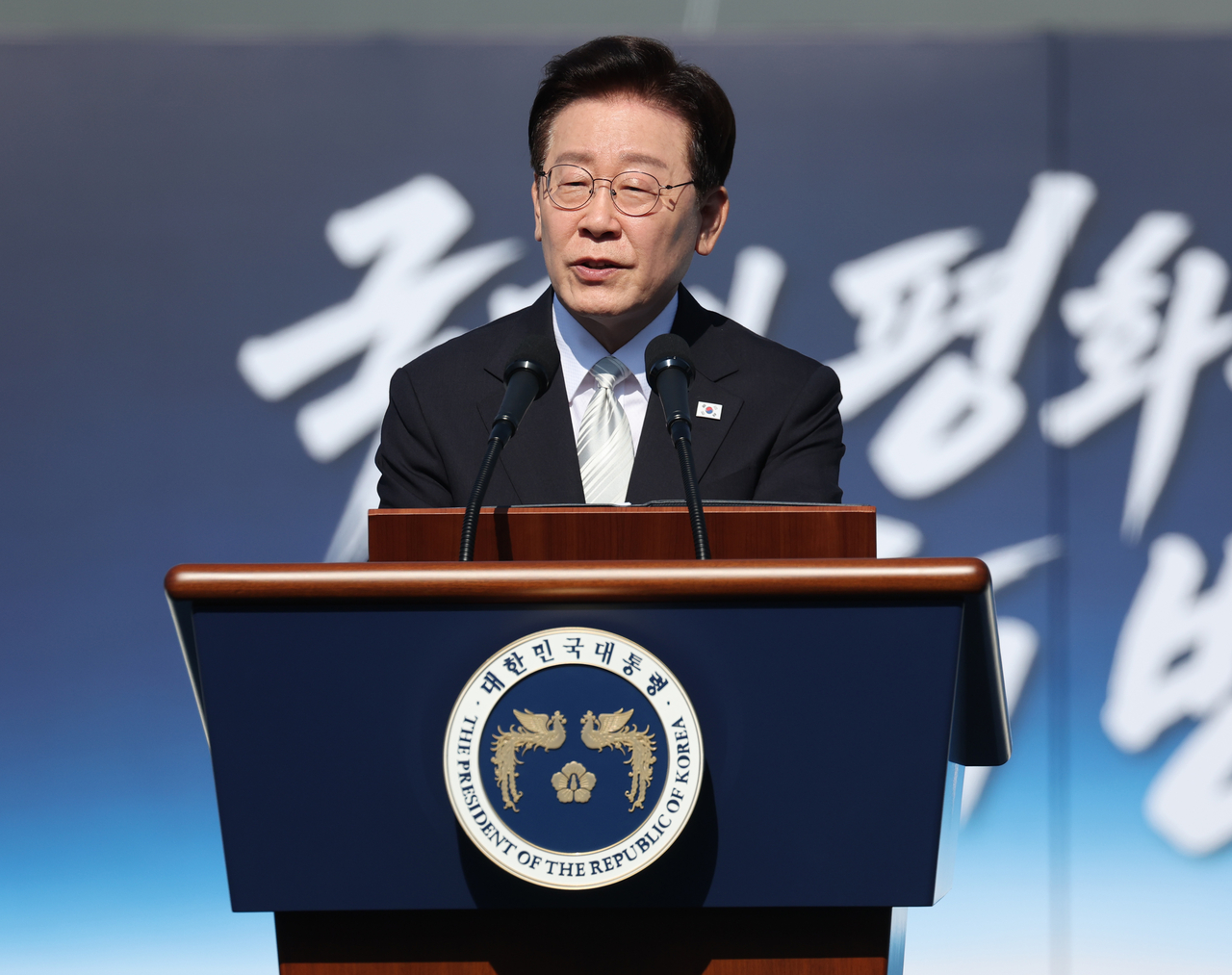
President Lee Jae Myung directly rebuffed criticism that Kim Ji-yong, his nominee to head the new Serious Crimes Investigation Agency, is a "pro-Yoon" prosecutor loyal to former President Yoon Suk Yeol, saying the government's own review found the nominee had in fact shown an "anti-Yoon track record." Lee also argued that excluding all former prosecutors from the agency would amount to sabotaging it, and called for appointments based on expertise and institutional design rather than personal grievances.
Lee posted a series of messages on X, formerly Twitter, on Wednesday and Thursday, responding directly to critics online. "You are telling me not to use Kim Ji-yong because he is a pro-Yoon prosecutor — I am grateful for the advice and criticism," he wrote. "But governance belongs to all citizens and must be objective and fair."
He said criticism of government decisions is always welcome, but must be grounded in fact to carry real weight. He added that even criticism based on false information could be corrected in public discourse if made in good faith. "But if someone knowingly makes false claims to attack and smear — that is not criticism, it is defamation, and not advice on governance but obstruction of it," Lee said.
Lee then laid out what he described as the government's evidence-based findings on Kim's record, point by point. "The premise of your remarks is that nominee Kim Ji-yong is a pro-Yoon prosecutor, but what the government has objectively confirmed is this: first, he was promoted to chief prosecutor rank by Justice Minister Choo Mi-ae during the Moon Jae-in administration; second, while serving as head of the criminal division at the Supreme Prosecutors' Office under then-Prosecutor General Yoon Suk Yeol, he ordered the reinvestigation and indictment of Yoon's mother-in-law, Choi Eun-soon, on charges of suborning perjury that had previously been dropped; and third, after Yoon won the presidency, Kim was demoted to a regional deputy prosecutor post and ultimately resigned under what amounted to forced removal," Lee wrote.
"Setting everything else aside, it is hard to understand how someone with this record can be criticized as a pro-Yoon prosecutor," Lee said. He noted that he himself was the biggest victim of politically weaponized prosecution under the Yoon administration, and that preventing any recurrence was one of his government's top priorities. "Nominee Kim's track record — anti-Yoon, if anything — has already been confirmed through media reporting. I believe you were simply unaware of this, and I trust you are not knowingly making false claims that he is a pro-Yoon political prosecutor," he wrote.
In a follow-up post two hours later, Lee again addressed supporters' concerns and returned to the core purpose of prosecutorial reform. "As you say, many people are raising these concerns out of genuine worry for me and for the country's future," he wrote. "But if we are to discard everyone with a prosecutorial background, what becomes of Rep. Park Eun-jeong, Chief Prosecutor Im Eun-jeong, and Rep. Lee Sung-yoon — all of whom are current or former prosecutors?"
"Telling us not to use a former prosecutor — a seasoned investigative expert — to lead a major investigative body simply because of that background is the same as saying we should destroy the agency," Lee said. "And if the agency cannot function properly, what happens to public order and the safety of the people?"
Lee said the goal of prosecutorial reform is not revenge against prosecutors or dismantling the institution. "Is it not about separating investigation from indictment, ensuring neither is ever again abused by those in power, and making both functions work properly?" he said. He added that governance and prosecutorial reform must never be driven by personal feelings or grudges, nor serve the interests of any individual or group. "I believe the goal of prosecutorial reform is to separate the investigative and prosecutorial functions while ensuring both operate fairly, free from political interference, and in the interest of the people and the state," he said.
Lee also spoke candidly about how Kim came to be nominated and the uncertainty surrounding his fate. "The nominee for agency director is not chosen at the president's discretion," he said. "The candidate must first be publicly recommended, and an independent recommendation committee then narrows the field to four names." He said the Ministry of Interior and Safety minister, following consultations, submitted Kim's name to the president as the most suitable of the four.
"However, given the objections raised — including the claim that nominee Kim is a pro-Yoon prosecutor — we conducted an extended additional review, and the allegations turned out to be largely untrue or in some cases outright fabrications," Lee said. He added that even if there were some concerns, the legally mandated nomination process could not simply be disregarded. "Whether there are grounds to withdraw the nomination and resubmit, and whether any of the remaining three candidates could replace Kim Ji-yong, is still a matter of deliberation and judgment," he said.
sunpine@heraldcorp.com