Government policy follow-up; 'Both the industry and residents are struggling'
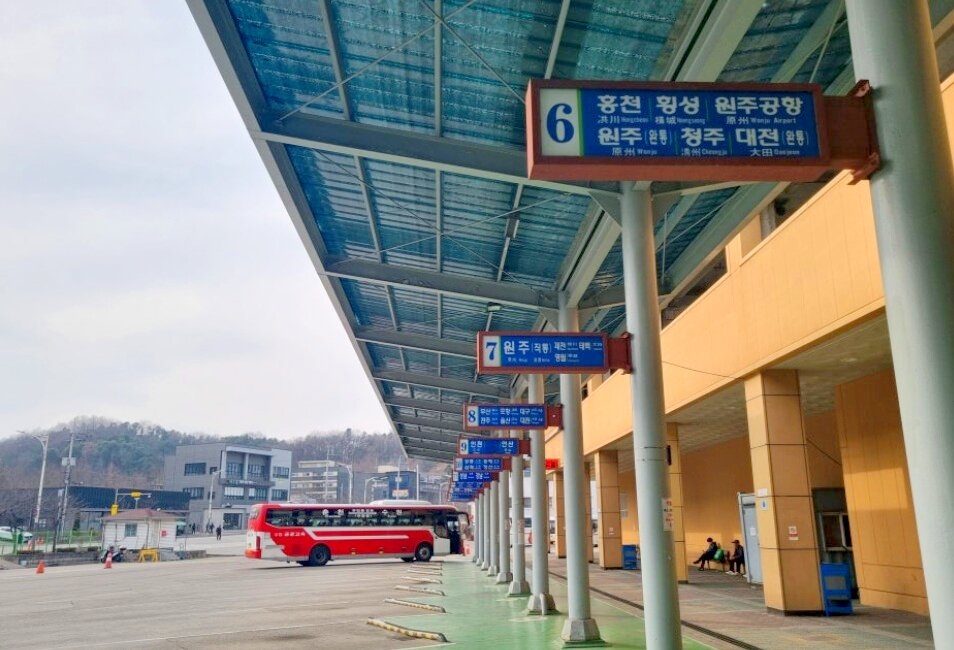
Intercity and express bus fares in Gangwon Province will rise 9% starting Thursday, while fares on some high-ridership routes will actually be lowered.
The adjustment follows a decision by the Ministry of Land, Infrastructure and Transport in August to revise the fare ceiling for intercity and express buses. Bus operators had originally sought increases of 17% for intercity services and 20.1% for express services to reflect rising operating costs, but the final figure was scaled back after a cost verification review and consideration of the burden on passengers.
The number of intercity bus routes operating in Gangwon Province currently stands at 186 — down 47% from 352 before the COVID-19 pandemic. Annual ridership has also fallen to about 7.61 million, a 40% drop from about 12.78 million before the pandemic.
Bus operators in the province, who have been struggling with declining ridership and deteriorating finances, expect the fare increase to bring positive effects including improved business conditions and job retention.
To ease the burden on passengers, operators also plan to introduce self-initiated fare adjustments on select routes. On the busy Chuncheon–Hongcheon corridor, for example, the applied fare will be set at 4,500 won — a 25% discount from the registered fare of 6,000 won.
The increase takes into account a sharp rise in operating costs driven by higher labor and fuel expenses. Route cuts stemming from worsening business conditions have already made it harder for local residents to get around, and demand that fell during the COVID-19 pandemic has yet to fully recover. Fuel costs have also climbed amid recent instability in the Middle East.
"Many intercity bus routes — an essential form of public transportation in the region — have been suspended due to deteriorating profitability, making a minimum fare increase necessary," said Lee Jong-gu, director of the Gangwon Special Self-Governing Province's construction and transportation bureau. "We will work with the industry to improve business conditions through the fare adjustment, and to ensure that investment continues toward resuming suspended routes and improving service."
Separately, Gangwon Province plans to continue developing measures to strengthen the competitiveness of intercity bus services on key routes, including designating essential routes for targeted support and pursuing service improvements.
abc@heraldcorp.com