
A father's request for sports support for his child led officials to uncover compounding crises — economic hardship, poor housing, health problems and parenting struggles — prompting a coordinated response linking donations, medical aid and child welfare programs.
Yangcheon-gu this year introduced an integrated solutions advisory panel and supervision system for the first time, strengthening professional expertise and on-the-ground response capacity.
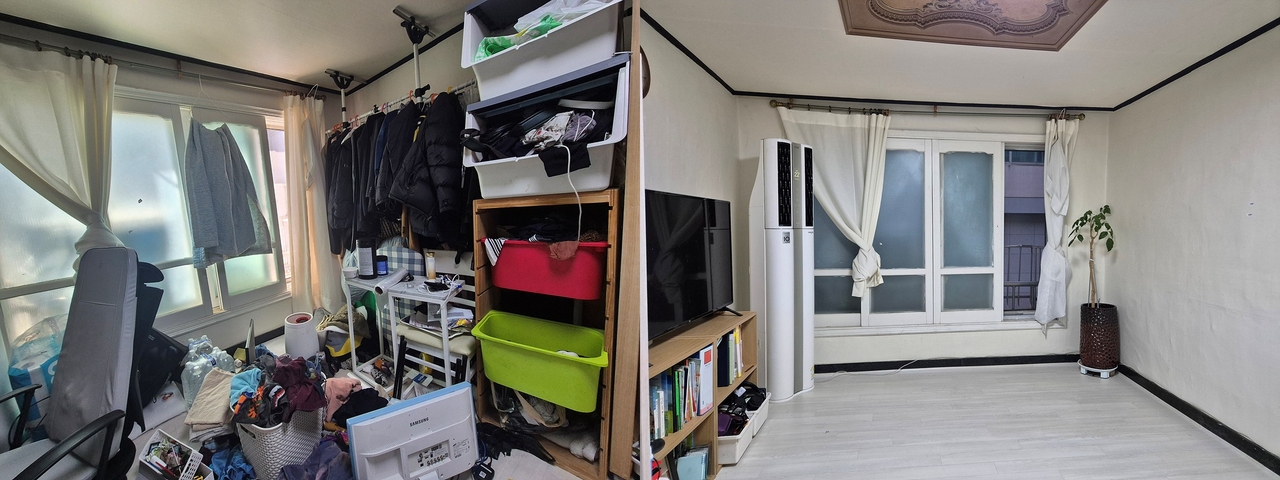
"Now that the house is clean, I feel like I can finally breathe again."
A guardian whose family had struggled with poor living conditions made the remark after seeing the transformed state of their home following a cleanup.
Yangcheon-gu supported the family's return to everyday life through what it calls "integrated case management" — a coordinated approach that assesses the full range of difficulties facing households in crisis and connects them with tailored welfare services and community resources.
The case began when a father visited his neighborhood community center to request sports activity support for his middle school child. Rather than stopping at that initial request, district officials conducted in-depth consultations to examine each family member's situation and identified a cluster of compounding risk factors, including substandard housing and health problems. The family was then designated as an integrated case management household, and the district moved to coordinate both public and private resources — including sponsoring organizations and welfare groups — to develop a support plan.
For the child, who excels in sports, the district worked with the nonprofit Good People International to secure 8 million won ($5,920) in sponsorship funds. A sibling was connected to Dream Start, a government program supporting children from vulnerable households. The mother, who required medical treatment, received 1 million won in medical expenses and was helped to receive consistent treatment through a joint case management arrangement with the Yangcheon-gu Mental Health and Welfare Center.
The Yangcheon-gu Architects Association played a central role in improving the family's living environment. Fifteen volunteer members visited the home, removed waste and debris, and cleaned the interior. Sponsorship funds were used to replace worn flooring and provide beds and storage furniture for the children. After witnessing conditions on-site, the association went beyond the original plan and added a professional organizing and storage service at its own expense to help the family maintain the improved environment over time.
This year, for the first time, the district established an integrated solutions advisory panel composed of specialists across relevant fields and introduced an integrated case management supervision system to strengthen its capacity to handle complex cases. The supervision system involves external experts reviewing case managers' work and raising their professional standards. On Wednesday, the district will hold its first external expert lecture and consultation session for public and private practitioners, focusing on cases involving isolated and socially withdrawn youth.
"Families in crisis often face multiple, intertwined problems, which is why careful case management and community cooperation are so important," Yangcheon-gu District Mayor Lee Gi-jae said. "We will continue to build a warm city in Yangcheon by delivering effective, tailored welfare support that translates into real change in residents' lives."
seouldream01@heraldcorp.com




