Chuncheon District Prosecutors' Office prosecutor filed petition Tuesday
Injunction sought to freeze amended law before it takes effect
Petitioner argues prosecutorial investigation authority derives from Constitution
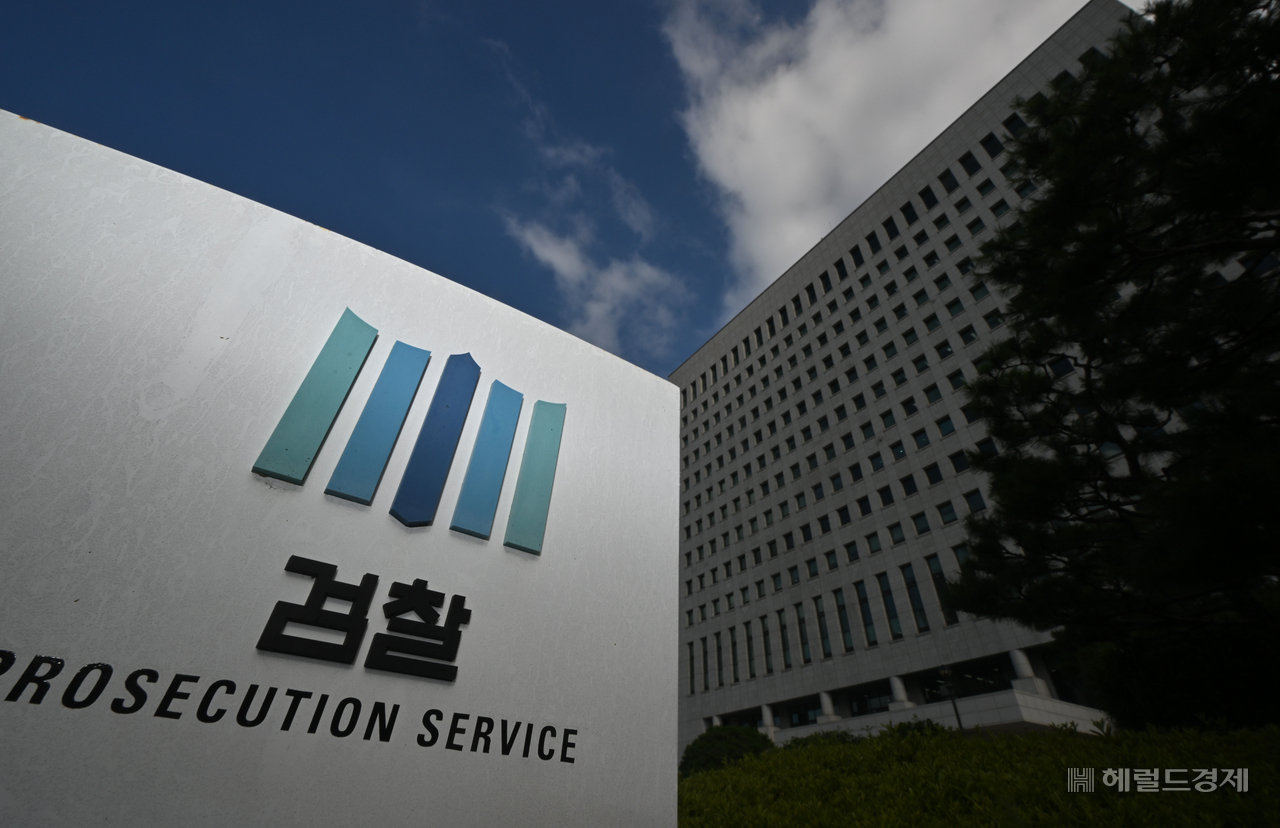
A sitting prosecutor has asked the Constitutional Court to rule on an amendment to the Criminal Procedure Act that strips prosecutors of their direct investigation powers, also filing for an injunction to suspend the law before it takes effect.
According to prosecutors Sunday, Oh Se-hyeon, a prosecutor at the Yeongwol Branch of the Chuncheon District Prosecutors' Office, filed a competence dispute petition with the Constitutional Court against the National Assembly on Tuesday.
A competence dispute petition is a procedure through which the Constitutional Court adjudicates conflicts between state institutions over the scope or infringement of their respective powers.
Oh filed the petition on the grounds that the amended Criminal Procedure Act, which passed the National Assembly in July, infringed on constitutionally granted powers vested in prosecutors. He also applied for a provisional injunction to suspend the amendment's effect until the court issues its ruling.
The amended law bans prosecutors from conducting direct investigations and limits them to requesting that police carry out supplementary investigations. The bill passed the plenary session of the National Assembly on July 31 with 175 votes in favor, two against and one abstention among 178 members present. The People Power Party did not participate in the vote.
Oh recently argued through "e-Pros," the prosecutors' internal network, that prosecutors' authority to direct investigations also derives from the Constitution.
He cited a 1997 Constitutional Court ruling as the basis for his argument. In that decision, the court held that the constitutional requirement for a "prosecutor's request" in the warrant issuance process was intended "to establish the prosecution's authority to direct investigations by other investigative agencies, and to prevent the human rights abuses that had frequently arisen from warrant applications made by investigative agencies other than prosecutors."
Oh also argued that abolishing investigative powers altogether exceeds the National Assembly's legislative discretion, given that other checks on prosecutorial overreach already exist — including the Corruption Investigation Office for High-ranking Officials and the crime of distorting the law.
Earlier Constitutional Court rulings have suggested that prosecutors' investigative powers are not an inherent constitutional right, a point likely to become a central issue in the proceedings. In a 2023 competence dispute case related to what was dubbed the "complete stripping of prosecutorial powers," the court's majority opinion held that prosecutorial investigative authority could not be derived directly from the constitutional provision on prosecutors' warrant application rights.
Concerns over the constitutionality of abolishing prosecutorial investigative powers were also raised during the legislative process. A survey of 403 members of Minbyun — Lawyers for a Democratic Society conducted in July found that 67 percent of respondents said prosecutors' supplementary investigative powers should be retained in full or in part.
The Constitutional Court is reviewing Oh's competence dispute petition and injunction application. No hearing date has been set.
kwater@heraldcorp.com