US sales up 20% in first 8 months, topping 54,700 units
July, August each clear 7,000 for two consecutive months
Annual 80,000-unit mark, 4th straight record, within reach
US minivan market up 21%
Millennial parents driving demand
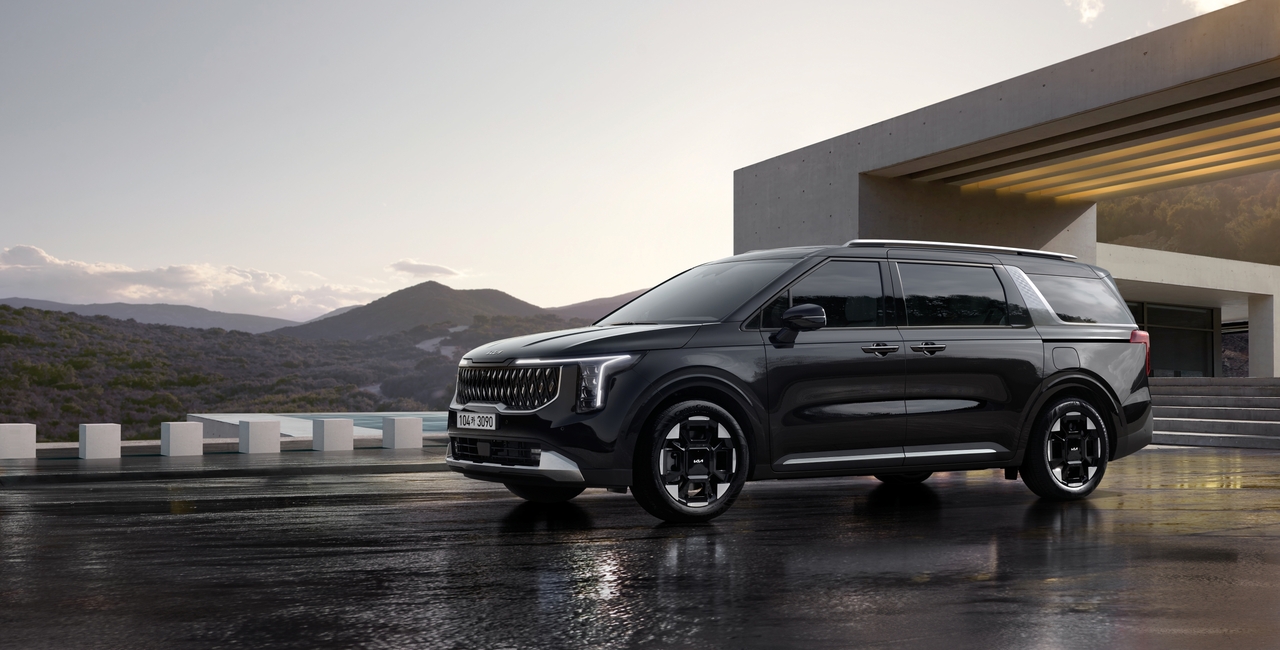
The Kia Carnival, which first entered the US market in 2001 under the name Sedona, is enjoying its best run yet — 25 years after its American debut. Having set an all-time annual sales record in the US last year by surpassing 70,000 units for the first time, the Carnival has now moved up a weight class and is on pace to clear 80,000 units this year.
The minivan segment itself, once written off as a dying category squeezed out by SUVs, is drawing renewed attention in the US. Analysts say the Carnival — combining an SUV-like exterior, a spacious interior, sliding doors and a hybrid powertrain — is reaping the full benefit of that shift.
According to Kia, the Carnival sold 54,736 units in the US from January through August this year, up 20 percent from 45,602 units in the same period last year. Kia's total US sales over the same stretch reached 590,377 vehicles, a 3 percent year-on-year increase — meaning the Carnival's growth rate was more than six times that of the brand overall.
The recent sales trajectory has been steep. Monthly volume hovered around 5,800 units in January and February before surging to a monthly record of 8,062 in May. The momentum carried into the second half, with 7,279 units sold in July and 7,389 in August — clearing 7,000 for two consecutive months. That represents roughly a 26 percent rise from the January–February monthly average of 5,842 to the July–August average of 7,334. August also set an all-time record for that month, up 13 percent from a year earlier.
The upswing is all the more striking given that the Carnival had already posted a record annual figure last year. US sales rose about 45 percent from 49,726 units in 2024 to 71,917 last year. Annualizing the January–August pace puts this year's total at roughly 82,100 units. If current momentum holds through year-end, the Carnival is on course to exceed 80,000 US sales and set a record for the fourth consecutive year.
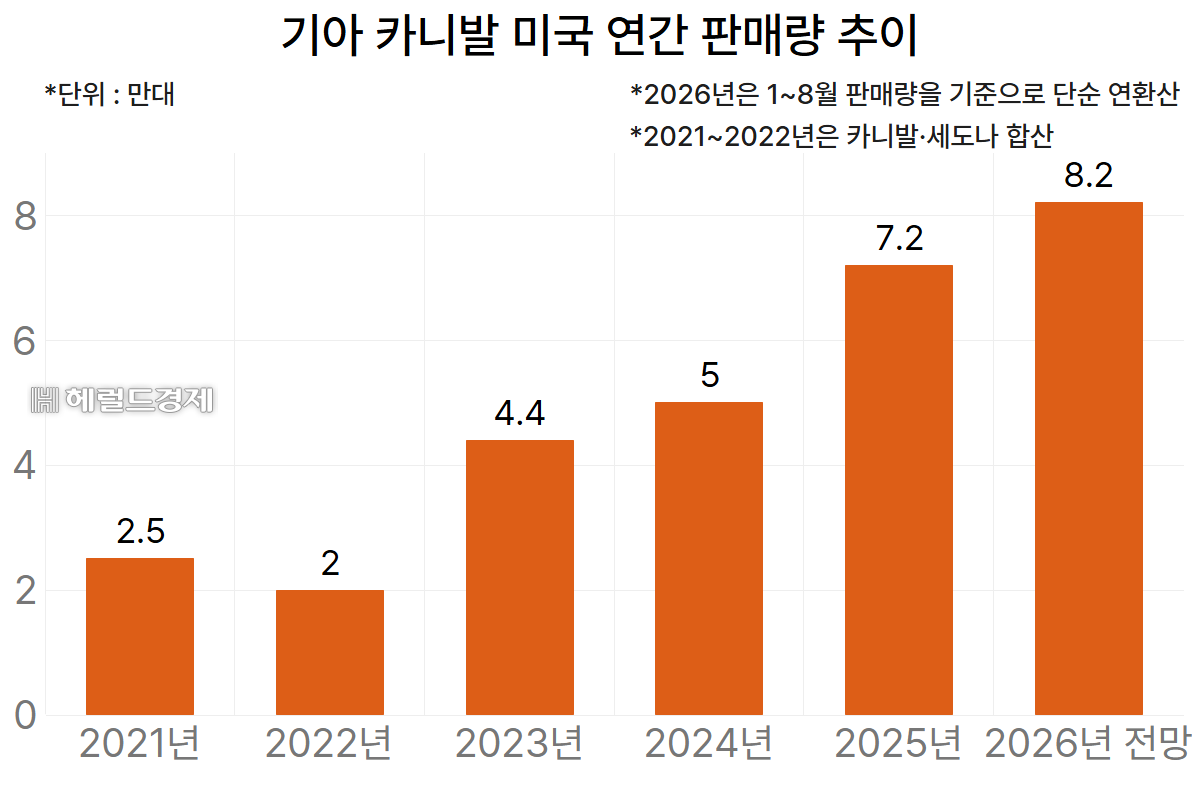
From Sedona to Carnival: 25 years to win over America
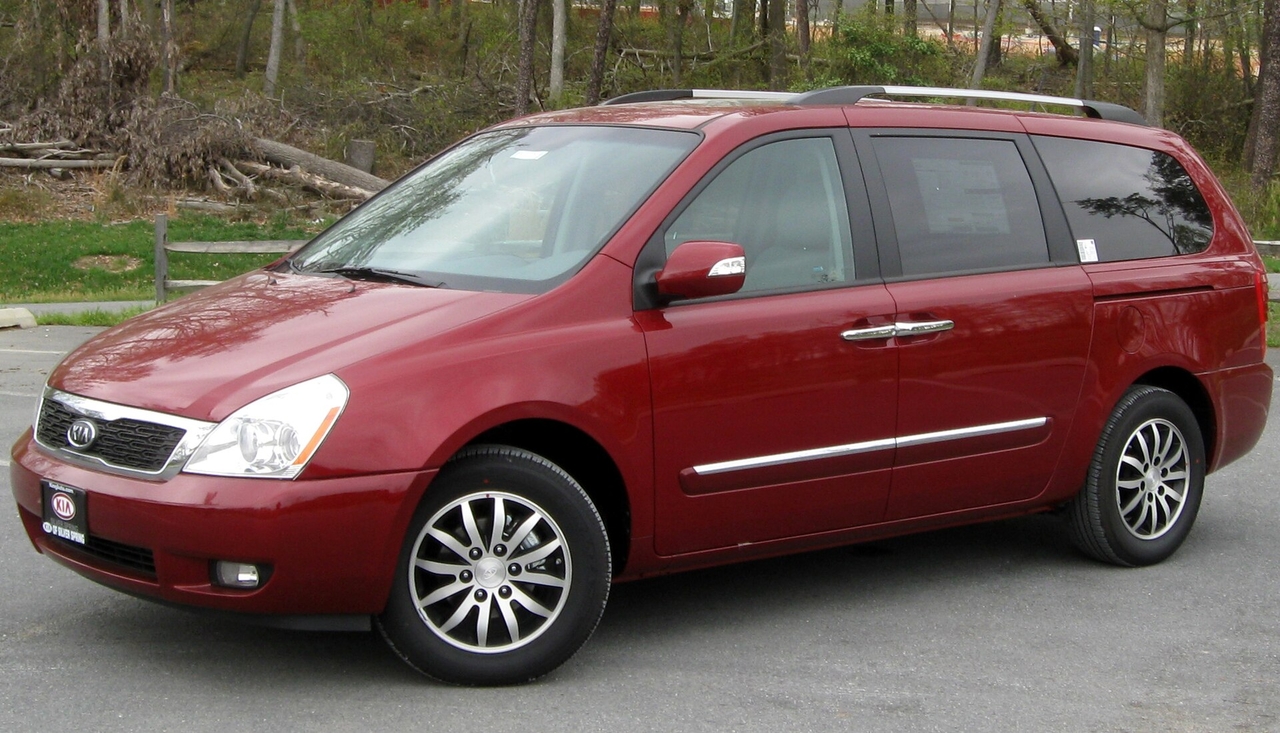
The Carnival's US story begins in 2001, when Kia launched the minivan it sold domestically as the Carnival under the separate name Sedona for American consumers.
The Carnival name did not reach US buyers until the fourth generation. When Kia unveiled the redesigned model in 2021, it dropped the Sedona nameplate starting with the 2022 model year and adopted the global name Carnival.
The change went beyond the badge. Kia shed the rounded, elongated silhouette typical of traditional minivans and gave the vehicle an exterior closer to that of a large SUV, while preserving the minivan's core strengths — generous second- and third-row space and dual sliding doors. Marketing the vehicle in the US as an MPV, or multi-purpose vehicle, rather than a minivan was part of the same strategy.
Recent US reviews have highlighted exactly those qualities.
Edmunds, the American automotive information company, published a long-term evaluation after driving a Carnival Hybrid for about a year, headlining the piece: "The Carnival reminded us why we love minivans." The outlet called the Carnival "really cool" and urged readers to "consider a minivan."
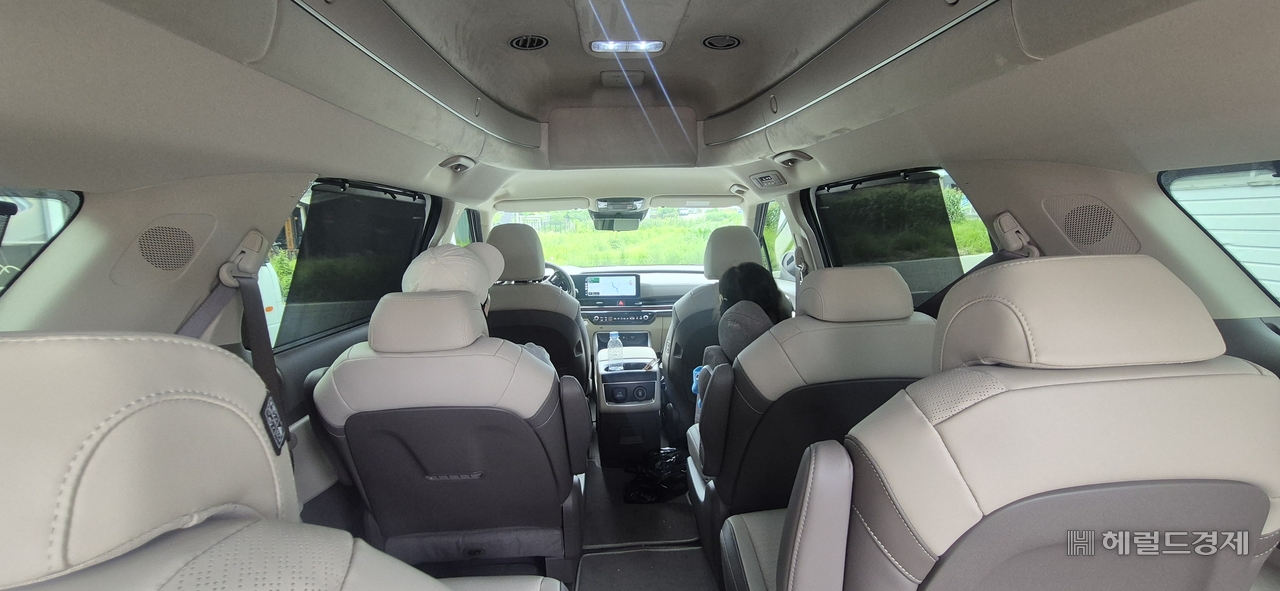
Edmunds cited more interior space than a typical three-row SUV, easier entry and exit thanks to the sliding doors, and suitability for long family road trips as the minivan's key strengths. It reserved particular praise for the Carnival's cargo capacity, calling it a level that large SUVs would struggle to match.
Millennial parents who swore off minivans are coming back
Behind the Carnival's sales surge lies a broader revival of the minivan segment in the US market.
CNN recently spotlighted the trend in a piece headlined "Millennials are making minivans cool again." US minivan sales reached about 400,000 units last year, up 21 percent from the year before — a sign that a segment once dismissed as a dying category is growing again.
A key driver is the millennial generation, born in the 1980s and 1990s, entering full-on parenthood. As more consumers have children, practicalities — car-seat installation, easy boarding and alighting for kids, third-row space and cargo room — are weighing as heavily in purchase decisions as styling or brand.
One example CNN featured was Kelsey Spencer, a mother of three daughters in Illinois, who once had no interest in minivans but now drives a 2026 Carnival Hybrid. She said she initially worried people would see the vehicle as uncool, but has instead been hearing reactions like, "What kind of car is that? It looks really great."
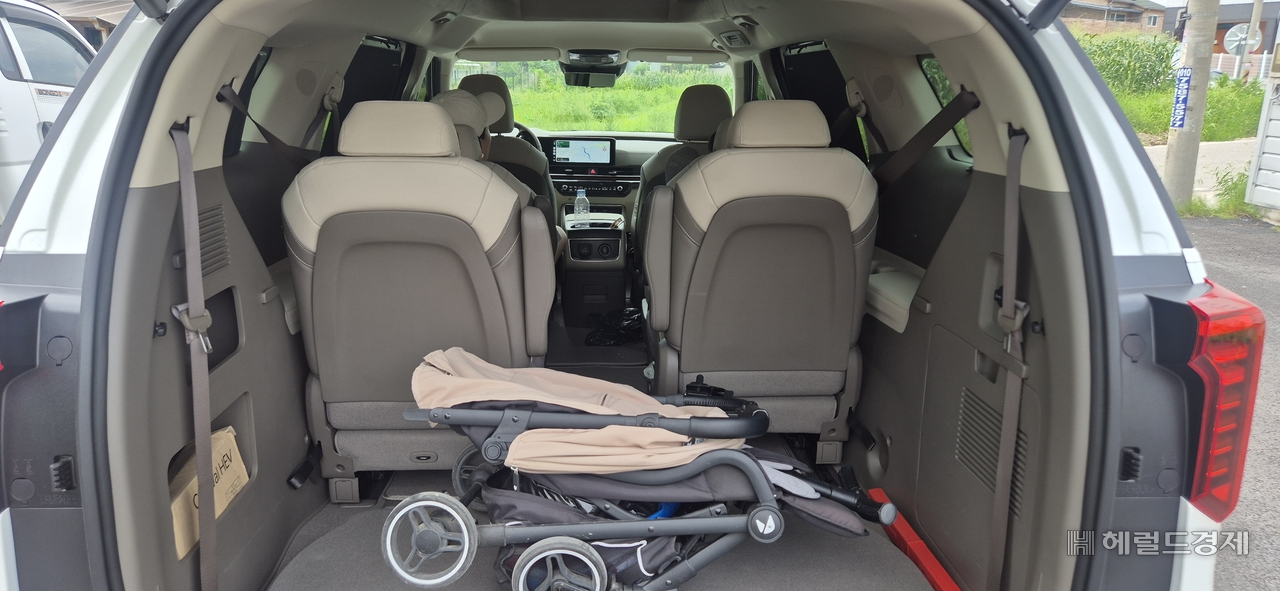
SUV looks, sliding doors — and now a hybrid
The US market has long been dominated by SUVs. Large SUVs with rugged exteriors and high ride heights have established themselves as the go-to family vehicle, but high prices, fuel costs and the difficulty of getting in and out in tight parking spaces are persistent drawbacks.
The Carnival pairs an SUV-like exterior with the sliding doors and spacious cabin that only a minivan offers. The ease with which children can open and close the doors themselves, and the convenience of buckling kids into car seats even in narrow parking spaces, are advantages SUVs cannot easily replicate.
Price is another factor. According to market data cited by CNN, the average transaction price for a minivan in the US last June was $48,908 — well below the full-size SUV segment, where prices approach $80,000. The 2027 Carnival starts at $37,490 in the US for the base trim.
The addition of a hybrid variant has also helped broaden the Carnival's appeal. Kia currently offers the Carnival with both a 3.5-liter gasoline engine and a 1.6-liter turbocharged hybrid powertrain.
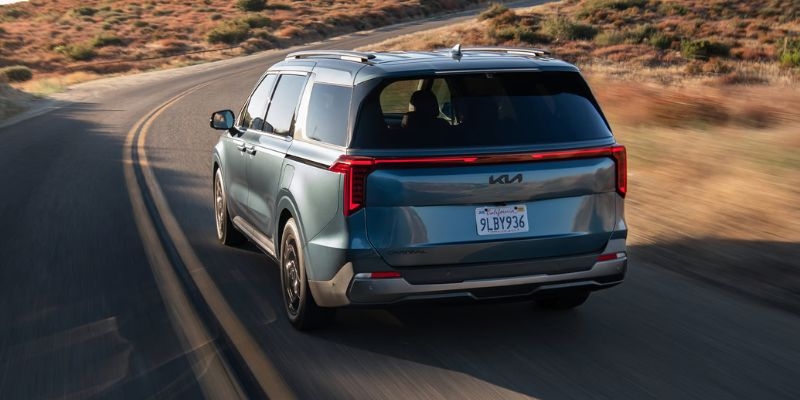
The minivan segment, however, remains a small slice of the overall US auto market. Its share stood at about 2.4 percent last year, below the 3.2 percent recorded in 2016. Minivans are not reclaiming ground from SUVs in any significant way.
Consumer attitudes are shifting nonetheless. In the US, minivans long carried the image of the "soccer mom" vehicle — practical but decidedly unglamorous, associated with shuttling kids to school and the playing field. Millennial parents are now reassessing the category, viewing it as a family car that combines generous space, convenient doors, relatively affordable pricing, style and fuel efficiency.
A similar mood is detectable on social media. Videos point to the Carnival's ability to deliver minivan-class space and practicality while capturing the bold design, comfort and premium feel of an SUV as the key to its popularity.
Comments on those videos include reactions such as "The Carnival is the obvious choice for big families" and "It's my dream car." Others describe the Carnival as a minivan with the best of an SUV added in, or note that for parents raising young children, a minivan is simply the natural choice.
kwater@heraldcorp.com