Kim Dong-chul may stay on as president through year-end
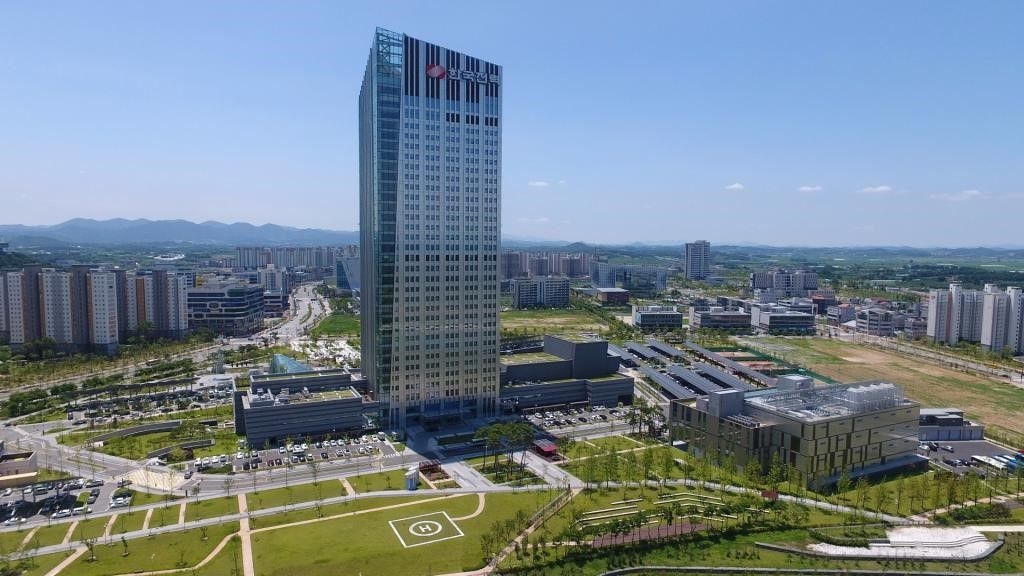
The search for a successor to Korea Electric Power Corporation President Kim Dong-chul is starting over after the leading candidate, former South Jeolla Province Governor Kim Young-rok, failed a mandatory post-retirement employment screening required for him to take the job.
According to energy industry and political sources, the government decided Tuesday to reopen the recruitment process after the Public Institutions Management Committee discussed the appointment at its meeting.
KEPCO's executive recommendation committee had narrowed the candidate pool to three finalists — former South Jeolla Province Governor Kim Young-rok, former Assembly member Oh Young-sik, who served as chief of staff to Prime Minister Kim Boo-kyum, and Lee Jong-hwan, a former KEPCO executive vice president for business operations — and submitted the list to the committee.
Kim Young-rok had drawn the most attention as the frontrunner even before the formal recruitment began, with speculation circulating that he had been informally tapped for the role. A graduate of the 21st class of the civil service administration exam, Kim was widely seen as having opted out of the South Jeolla-Gwangju Special City mayoral race in the June 3 local elections in exchange for the KEPCO presidency.
His candidacy was blocked, however, when the employment screening panel rejected his appointment. Under the Public Service Ethics Act, senior civil servants who leave office are subject to employment screening for three years after retirement. During that period, a relevant ethics committee determines whether a prospective employer is connected to work the official handled in the five years before leaving public service.
With Kim Young-rok's disqualification, KEPCO will now reopen the search. Current President Kim Dong-chul, whose term ran through Saturday, is expected to remain in an acting capacity until a successor is named. Given that the selection process typically takes two to three months, Kim is likely to stay on through the end of this year.
KEPCO faces three simultaneous challenges: integrating state-owned power generation companies, supplying electricity for major infrastructure projects, and stabilizing the national grid.
Under the 11th Long-Term Transmission and Substation Facility Plan, KEPCO must invest a total of 72.8 trillion won ($52.6 billion) in expanding its transmission and substation infrastructure by 2038, while also serving as a bridge in securing regulatory approvals and community acceptance along the way.
The utility must also respond to a surge in power demand driven by three major national projects, contribute to an eco-friendly energy transition toward carbon neutrality, and prepare for a large-scale organizational restructuring that includes merging five state-owned power generation companies — all while working to reduce the company's debt, which exceeds 210 trillion won.
oskymoon@heraldcorp.com