An anonymous letter-writing program installed in the lobby of the Gwangjin youth center lets young residents share their worries and receive handwritten replies from volunteer "warmth postal carriers."
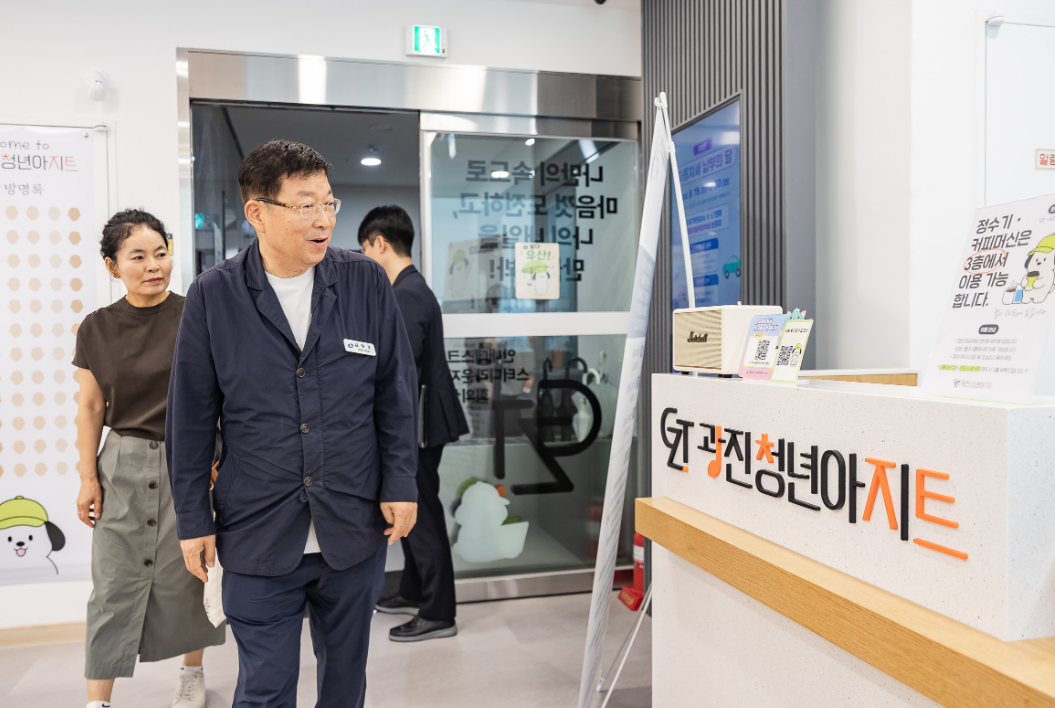
Gwangjin-gu has been operating an emotional support program called "Ongi Mailbox" at its youth community and cultural center on Dongil-ro since Wednesday, offering young residents a low-barrier way to share their worries.
The program works simply: a young person writes down a concern anonymously and drops the letter into the mailbox. A volunteer "warmth postal carrier" from the nonprofit Ongi then writes back by hand. Because the exchange is anonymous and conducted entirely by letter, the program is designed to be accessible to those who find face-to-face counseling intimidating.
Many young people grapple with concerns about employment, career direction, relationships and financial hardship, yet often feel reluctant to open up to those around them or seek professional help. Young people living alone can find it especially hard to find someone to talk to.
In response, the district installed the mailbox in the first-floor lobby of the youth center so that visitors can express their feelings and find comfort naturally, without signing up for a separate counseling program. Letters can be dropped in at any time during the center's operating hours, and anyone who includes a return address will receive a handwritten reply from a volunteer within four weeks.
The nonprofit Ongi has been running similar mailbox programs in communities across the country since 2017. Through this partnership, the district aims to ensure that young residents do not have to carry their worries alone, giving them a gentle, low-pressure outlet through the simple act of writing a letter.
Meanwhile, Gwangjin-gu is pursuing a range of tailored policies to help young residents build stable, independent lives — among them a youth challenge support project, a cultural lifestyle voucher program, subsidies for language and certification exam fees for unemployed youth, and a Gwangjin-style monthly rent support program.
"Supporting young people's lives means attending not only to jobs and housing, but also to their mental well-being," Gwangjin-gu District Mayor Kim Kyung-ho said. "We will create an environment where young people do not have to carry their worries alone, and build a Gwangjin-gu that looks after the hearts of its youth with care."
seouldream01@heraldcorp.com