Signs Seoul National Cemetery guestbook: 'I will build a victorious ROK military'
Operational control transfer, reduced joint drills also on his plate
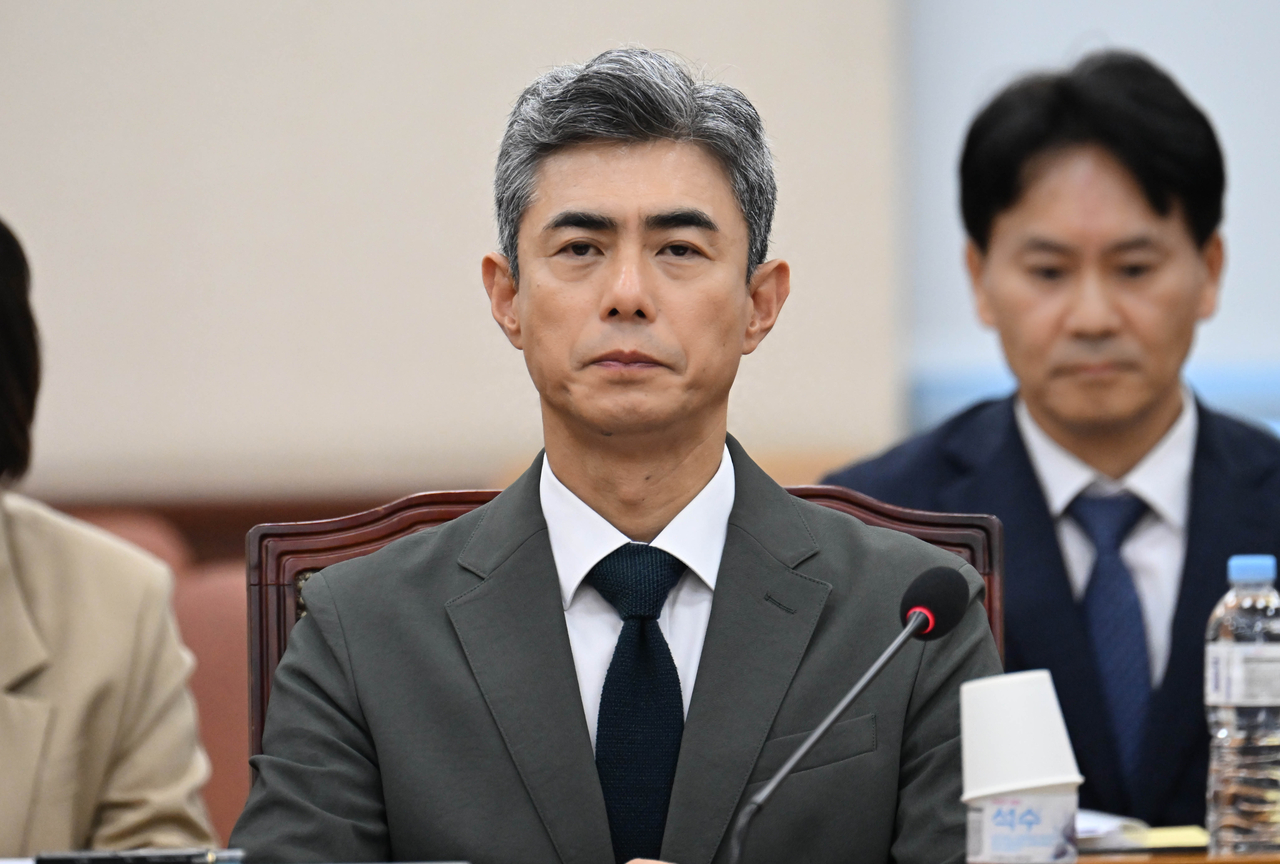
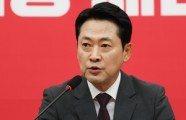
Kang Shin-chul was sworn in as defense minister Tuesday, with attention turning to how he will lead efforts to strengthen the South Korea-US alliance and push forward a contentious plan to merge the military academies — all while facing opposition party resistance.
President Lee Jae Myung signed off on the appointment Tuesday, completing the cabinet reshuffle 23 days after the second-term cabinet lineup was announced on Aug. 30. The confirmation report was adopted Friday under the ruling party's leadership, with the People Power Party boycotting the proceedings.
Kang inherits a crowded in-tray. He must manage the transfer of wartime operational control and navigate a reduction in joint exercises requested by Washington, while also tackling the deeply contested proposal to merge the Army, Navy and Air Force academies into a single institution — a plan that has drawn fierce pushback from inside and outside the military.
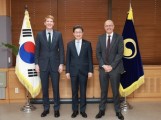
Kang began his first day in office with a visit to Seoul National Cemetery Tuesday morning, signing the guestbook with the words: "I will build a victorious Republic of Korea military." He was set to preside over an inauguration ceremony and a meeting of senior commanders from across the armed forces in the afternoon.
The first major event to watch after his inauguration is the Security Consultative Meeting with the United States. During his confirmation hearing, Kang said he would work to complete the full operational capability verification of the Future Combined Forces Command at this year's SCM, paving the way for a decision on the timeline for the transfer. Once FOC verification is complete, the South Korean and US defense ministers are to agree on a target year and recommend it to both countries' presidents.
A key variable is the reduction in joint exercises. On orders from US President Donald Trump, last month's Ulchi Freedom Shield CPX was cut in half. Since FOC verification is conducted through combined exercises, critics have noted that fewer drills mean fewer opportunities to assess the South Korean military's independent command capabilities.
During his confirmation hearing, Kang stressed that "combined exercises and training are absolutely necessary and the combined defense posture must be maintained under any circumstances." A former deputy commander of CFC, he is expected to focus less on the pace of the operational control transfer and more on the level of agreement he can reach with Washington.
Merging the Army, Navy and Air Force academies into a single "Korea National Military Academy" is one of President Lee's campaign pledges, but resistance within and beyond the military ranks as a major obstacle. At the Defense Ministry's first public hearing on the plan on Aug. 26, alumni, cadets and parents jeered throughout the four-hour event, while more than 700 people rallied outside, calling for the immediate withdrawal of what they described as a plan to shut down the academies.
Kang has previously said that "integrated education is necessary" while acknowledging that the Defense Ministry's merger proposal has "areas that need to be supplemented." With the ministry set to release a detailed plan next month, attention will focus on how much of his proposed revisions make it into the final blueprint.
rimsclub@heraldcorp.com