Flu advisory already in effect as fears grow over simultaneous influenza and COVID-19 outbreak
Gangwon Province will begin its COVID-19 vaccination program on Oct. 12.
COVID-19 has not gone away. The development of vaccines and treatments has allowed it to be reclassified as a routine illness, but the danger it poses remains part of everyday life — and grows as the weather turns cold.
Since an influenza advisory was issued Sept. 11, cases of both influenza and COVID-19 have continued to rise nationwide. With the chuseok holiday bringing large numbers of returning residents and tourists to major destinations across the country, health authorities warn that a simultaneous outbreak of the two viruses is an increasingly real concern.
Gangwon Province announced it will roll out free COVID-19 vaccinations starting Oct. 12, beginning with residents aged 70 and older and the immunocompromised, then expanding to other age groups in stages.
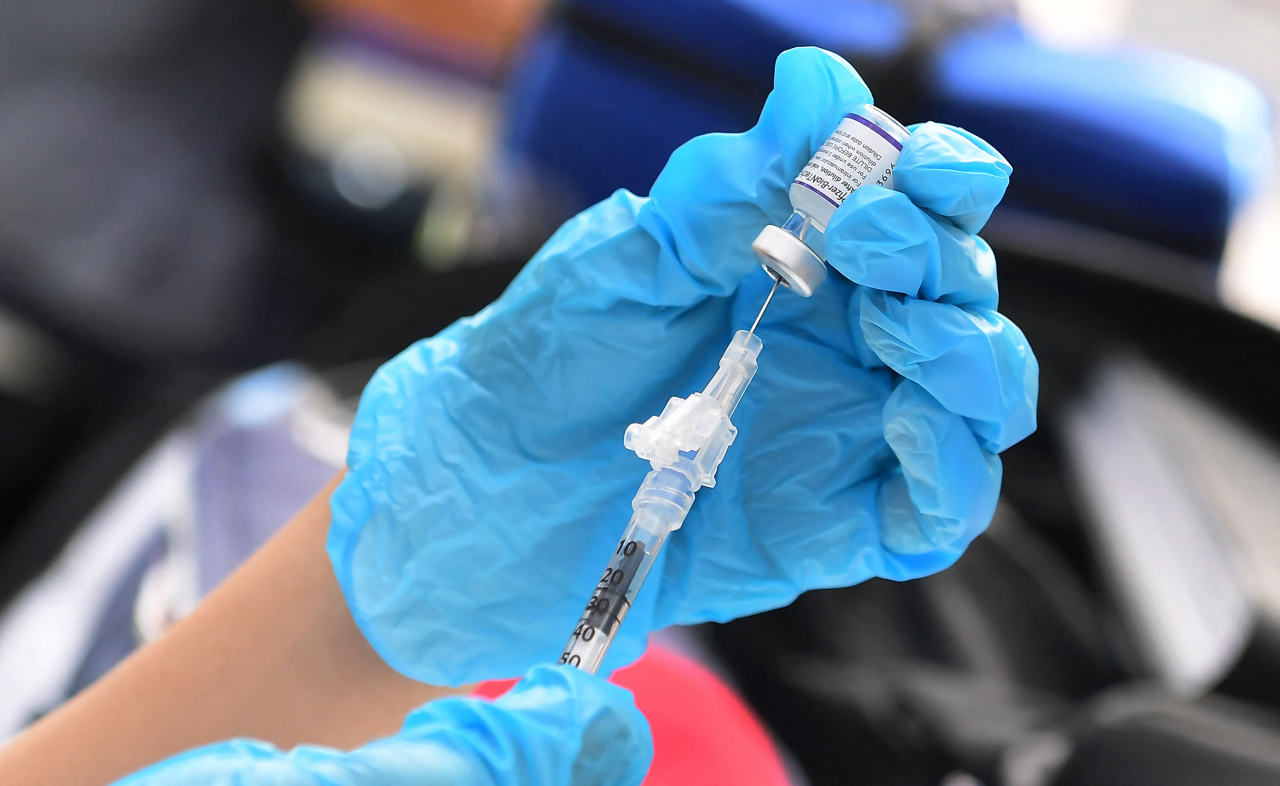
Those born in 1956 or earlier, residents aged 12 and older with compromised immune systems, and patients or residents of high-risk care facilities may receive their shots from Oct. 12. Those born between 1957 and 1961 become eligible Oct. 15.
Yoo Ji-young, director of Gangwon Province's welfare and health bureau, urged high-risk groups — particularly those aged 65 and older — to get vaccinated, noting that COVID-19 mutates and spreads anew each year. "If you develop respiratory symptoms such as fever or coughing, please seek care at a nearby medical facility," she said.
Gangwon Province is actively encouraging vaccinations against both influenza and COVID-19 among high-risk groups — including residents aged 65 and older, the immunocompromised and children — as well as any resident who wishes to be vaccinated, in order to curb the spread of respiratory infections in the region. The province also reminded residents that immunity takes about two weeks to develop after vaccination, and urged vaccinated individuals and the general public to wear masks and observe coughing etiquette when visiting nursing hospitals, welfare facilities and other high-traffic venues.
Starting this season, the Korea Disease Control and Prevention Agency has ended the existing "temporary vaccination" framework — used during active outbreaks — and transitioned COVID-19 vaccinations to a permanent "essential vaccination" system, in line with how influenza vaccinations are administered.
Eligible residents may receive their vaccination at any nearby public health center or designated medical institution regardless of their registered address. The KDCA advises checking in advance whether a specific facility is offering vaccinations through the local public health center or the official vaccination assistance website.
abc@heraldcorp.com