Inaugural meeting of Busan Startup City Project task force held
Space strategy centered on North Port to be developed
City plans to combine startup capacity with strategic industries
Busan has formed a task force to develop the city into a startup hub and held a kickoff meeting at City Hall on Monday afternoon.
A "startup city" refers to an urban environment where innovation resources — talent, technology, capital, markets and support — are concentrated alongside work, residential and leisure amenities, drawing in skilled entrepreneurs and sustaining continuous startup activity and growth.
The Ministry of SMEs and Startups is driving the Startup City Development Project, which aims to build regionally distinctive startup ecosystems by pooling innovation resources from across the country. The project provides up to around 15 billion won ($10.8 million) per year for a maximum of four years — an initial two-year term with a possible two-year extension. The government's goal is to produce at least five globally ranked startup cities within the world's top 100 by 2030.
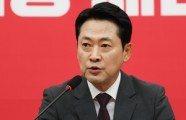
The Busan Startup City Project task force is led by Vice Mayor for Administrative Affairs Kim Kyung-deok and overseen by the city, with the financial startup policy division and the startup venture affairs division among the participating units. The Busan Creative Economy Innovation Center will handle operations. Key players in the local startup ecosystem are also involved, including regional universities, public institutions such as the Busan Regional Office of SMEs and Startups, Busan Technology Startup Investment Institute, Korea Maritime Institute and BUH (Busan United Holdings), as well as investment bodies and companies including Samsung Heavy Industries.
Drawing on each organization's resources and expertise, the task force will build a phased support system covering discovery, acceleration and scale-up, and will identify priority tasks in each area through inter-agency collaboration.
Busan has already laid the groundwork for its ambitions, breaking into the top 70 emerging startup cities worldwide, establishing the Busan Technology Startup Investment Institute and building a startup fund worth 1.5 trillion won. Through this project, the city plans to combine its accumulated startup capacity with Busan's strategic industries to develop a distinctive "Busan-style startup city model."
To that end, the city has designated maritime, logistics and finance as the three core specialization areas for the Busan-style startup city, integrating the city's geographic and industrial strengths with its policy direction. The plan is to identify specialized projects that connect Busan's maritime and logistics industrial, technology and demonstration infrastructure with the investment capacity of a financial hub, channeling the city's industrial competitiveness into the growth of startups.
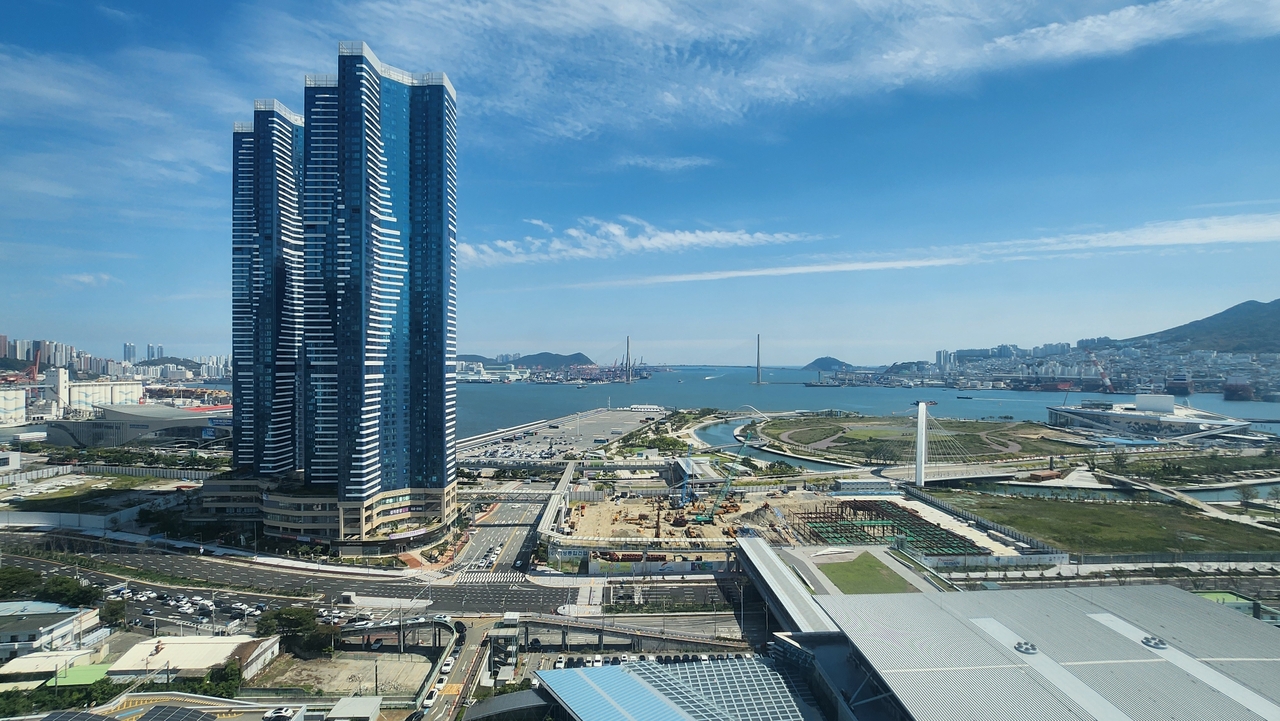
The city will also develop a spatial strategy centered on the North Port area — Busan's landmark redevelopment zone — that encompasses startup hubs and resources across the city. The plan involves a comprehensive review of startup resource density, industrial linkages, accessibility, and demonstration, investment and global functions. The aim is to designate a core zone concentrating startups, support agencies, investment and global functions as the central hub of Busan's startup ecosystem, while mapping out ways to connect startup bases across the region.
Monday's inaugural task force meeting covered the government's direction for the Startup City Development Project, Busan's specialized strategy, each agency's available resources and linked projects, and plans to build a pool of tech talent and promising startups. The city said it will use the kickoff meeting as a starting point to flesh out inter-agency collaboration tasks and accelerate efforts to develop a Busan-style startup city in response to the Ministry of SMEs and Startups' open call.
"Busan has steadily built the foundations needed to support the growth and investment of startups," Vice Mayor Kim said. "Through this project, we will organically connect the region's talent, technology, industries and investment capacity to create an environment where companies can grow in Busan and expand into global markets."
kaf2002@heraldcorp.com