Makguksu discount set at 1,500 won; coupons already in use
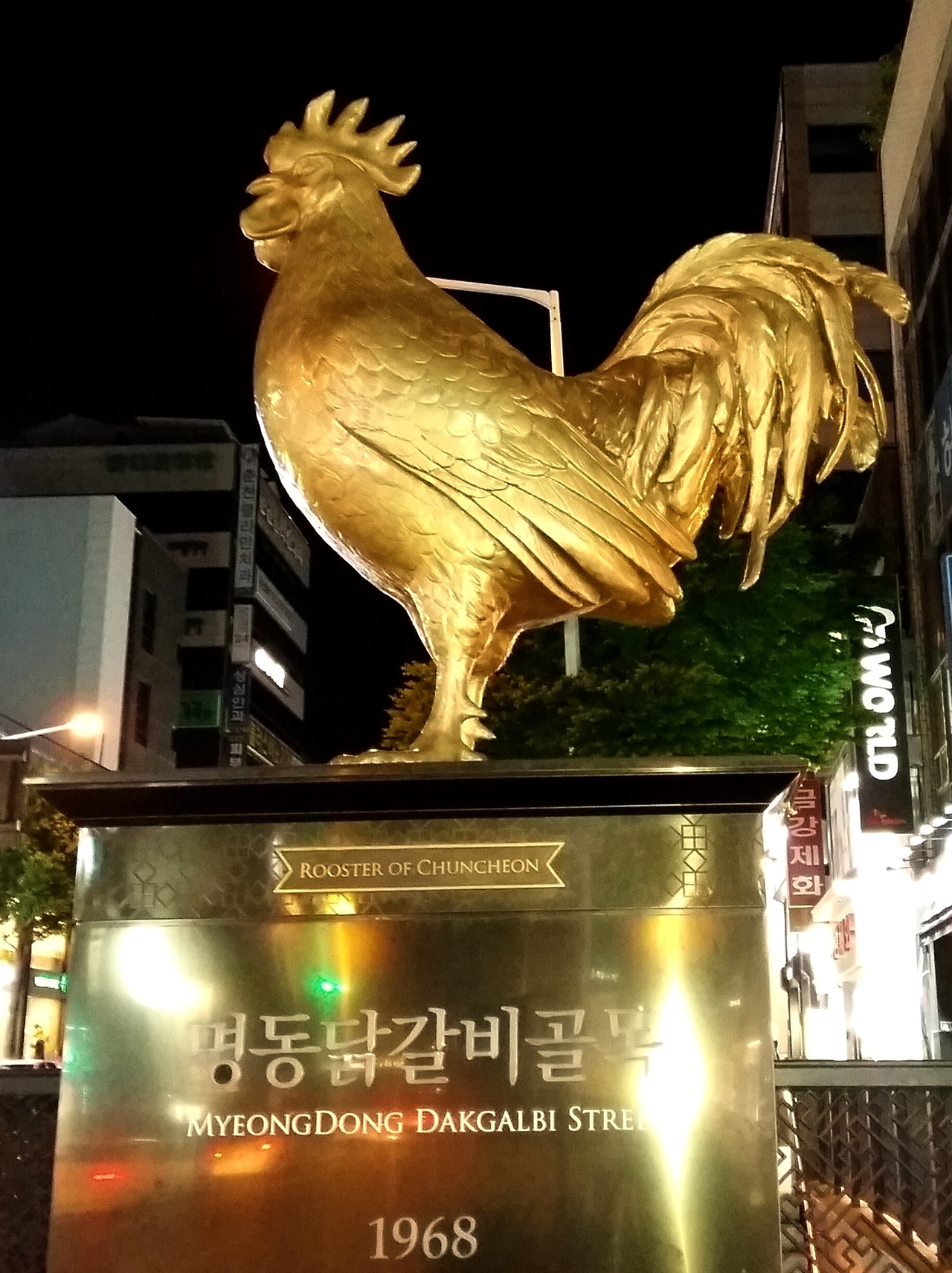
In the early 1960s, when barley ran out before the rice harvest arrived and meat was a rare luxury, large poultry farms began appearing around Chuncheon and Hongcheon, making chicken one of the more affordable proteins available.
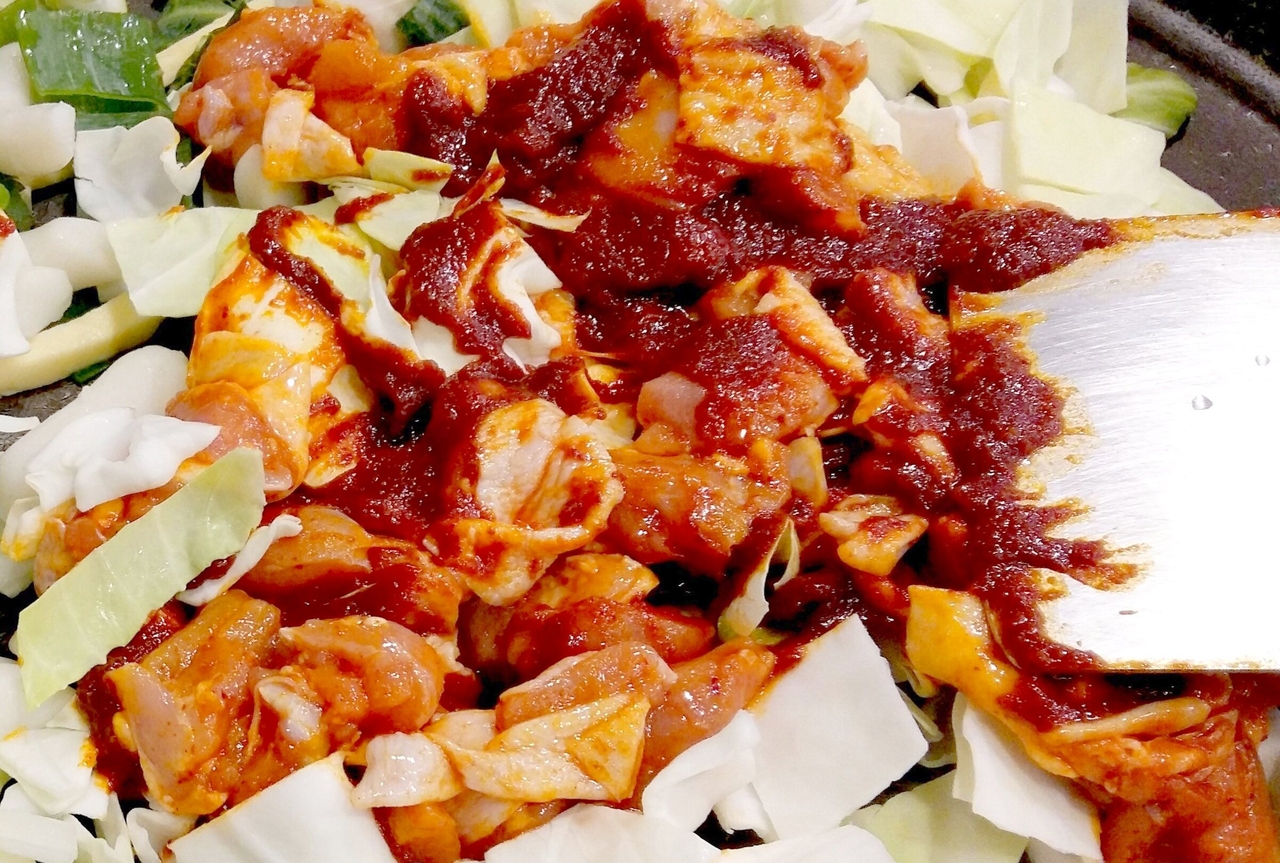
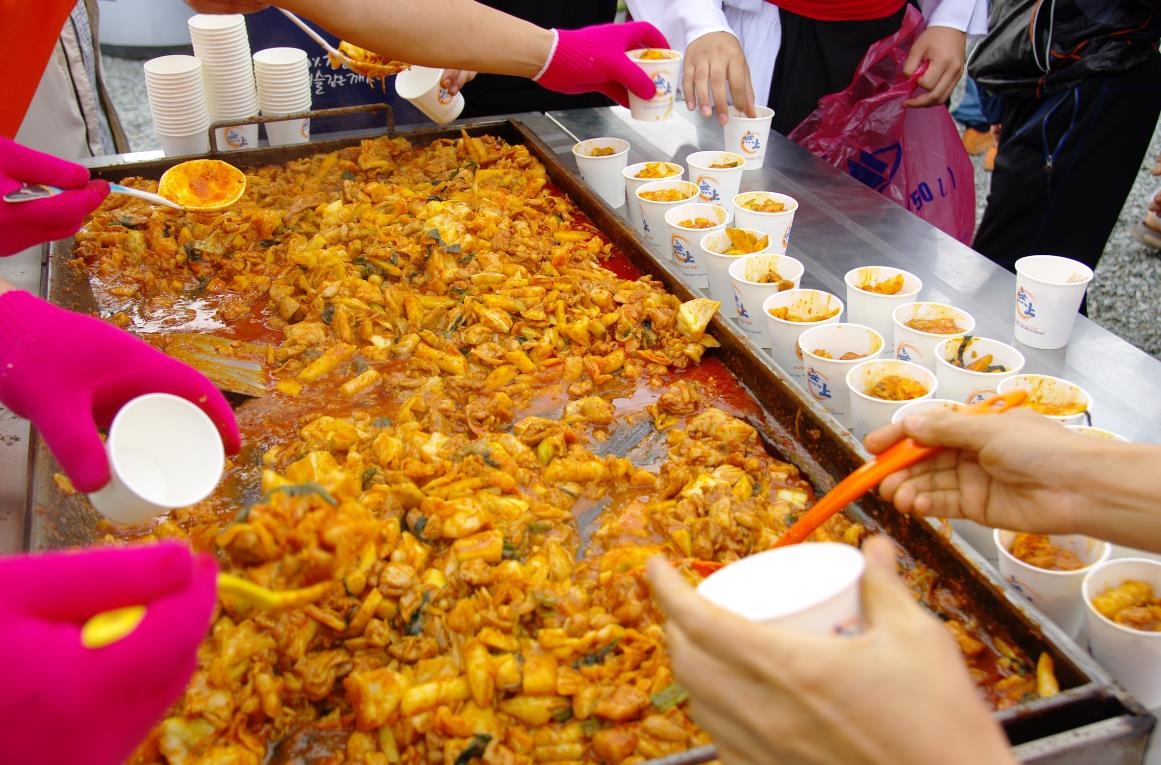
For ordinary people who rarely tasted meat, vendors took the rib section of the chicken, marinated it in gochujang and grilled it over a charcoal fire — and Chuncheon dakgalbi was born.
The dish underwent a transformation in the 1970s. Along Chuncheon's Jungang-ro, cooks began placing thick cast-iron griddles over oil drums, and dakgalbi moved to center stage. Cabbage, sweet potato and rice cake — all commonly grown on farms near the city — joined it on the sizzling iron surface.
College students on group retreats, young people short on cash, and girlfriends who had seen their partners off to front-line military bases all made a point of tracking down a good dakgalbi restaurant in Chuncheon.
The city served as a hub for soldiers heading out on leave or returning to their units. Troops would stop in Chuncheon first, sharing a plate of iron-griddle dakgalbi to shake off the fatigue of military life.
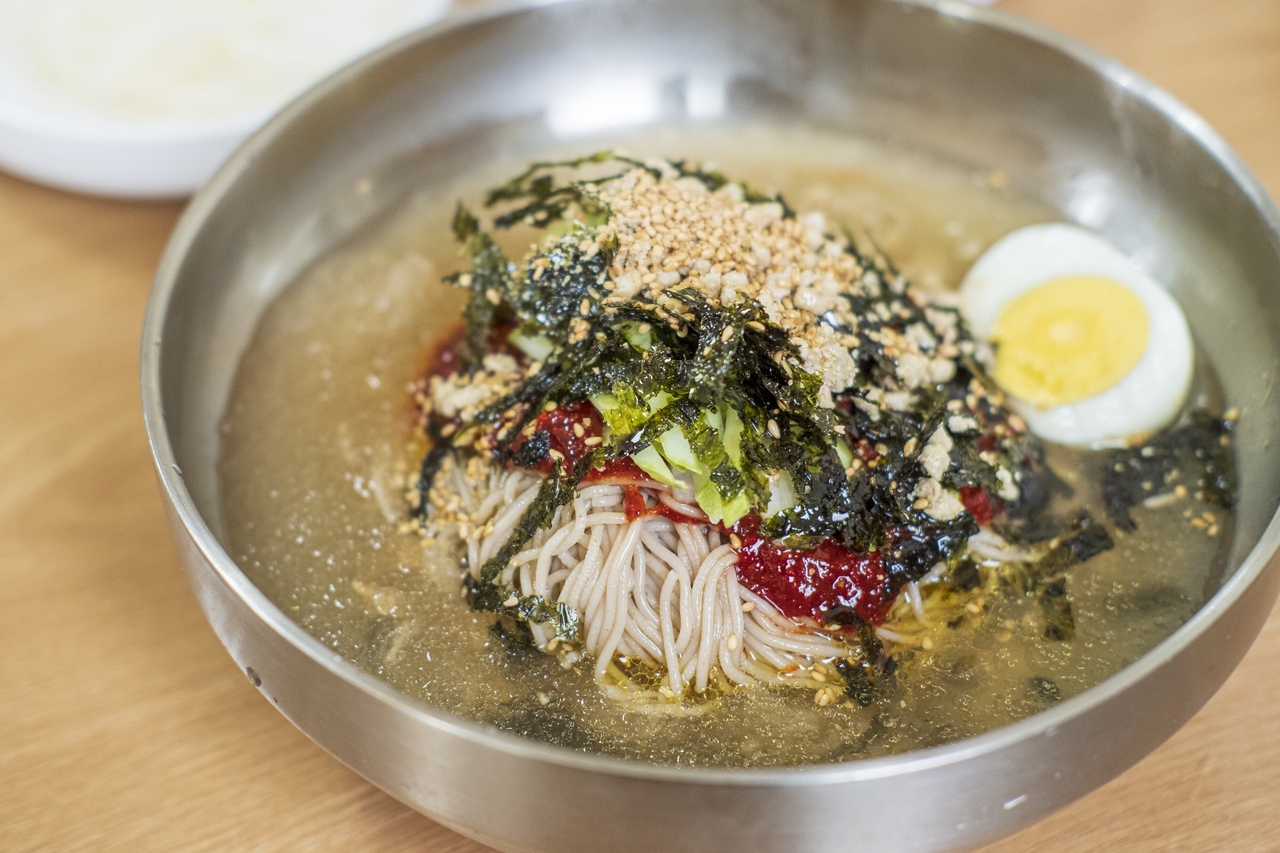
Makguksu — buckwheat noodles with a clean, spicy kick that cuts through the richness of the grilled chicken — is the other pillar of Chuncheon's food culture.
On the way back to base, soldiers and their partners would linger over bowls of makguksu, eating slowly because finishing meant saying goodbye. The meal filled their stomachs for the hard days ahead, but leaving the restaurant, the tears came anyway.
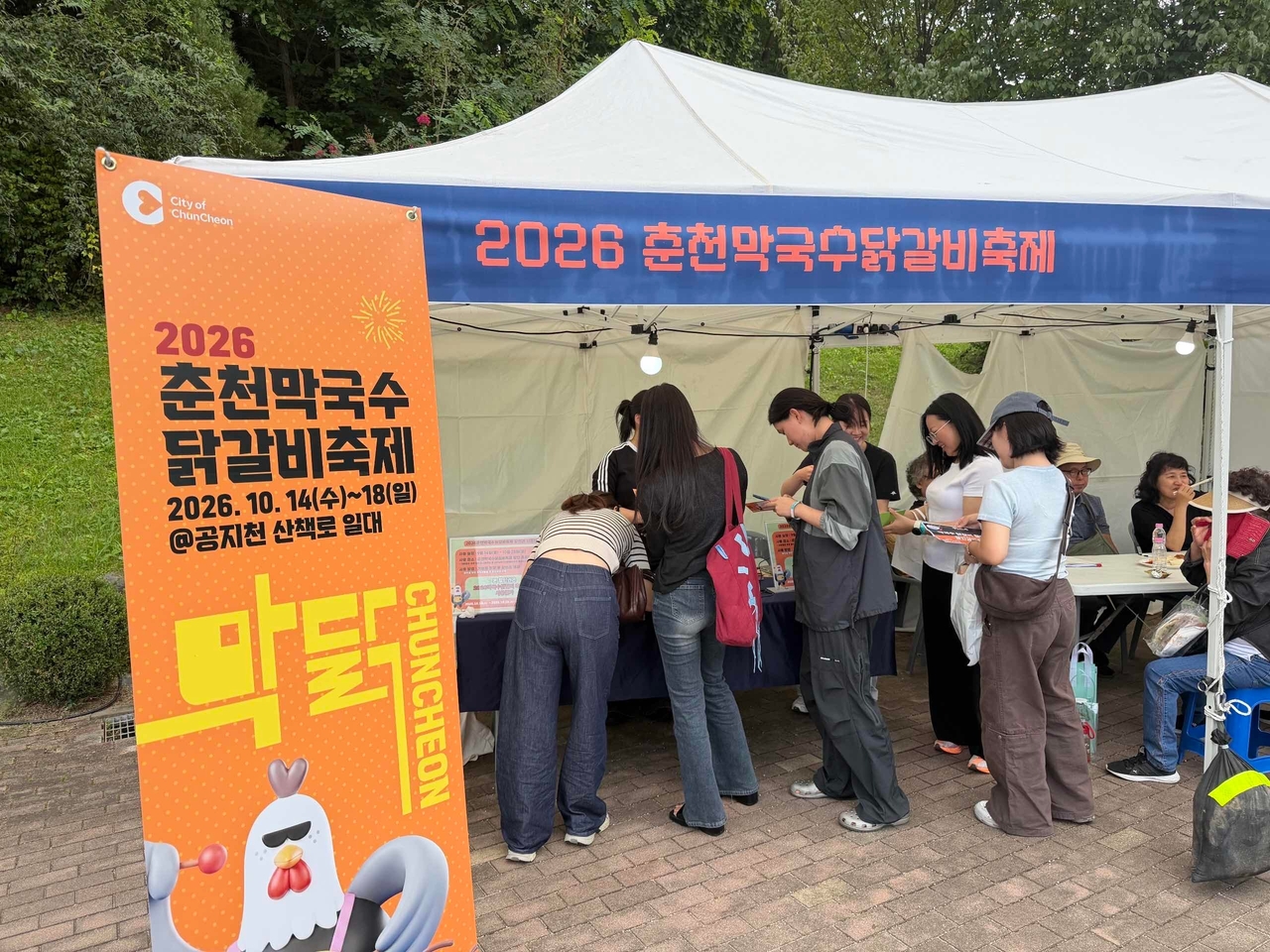
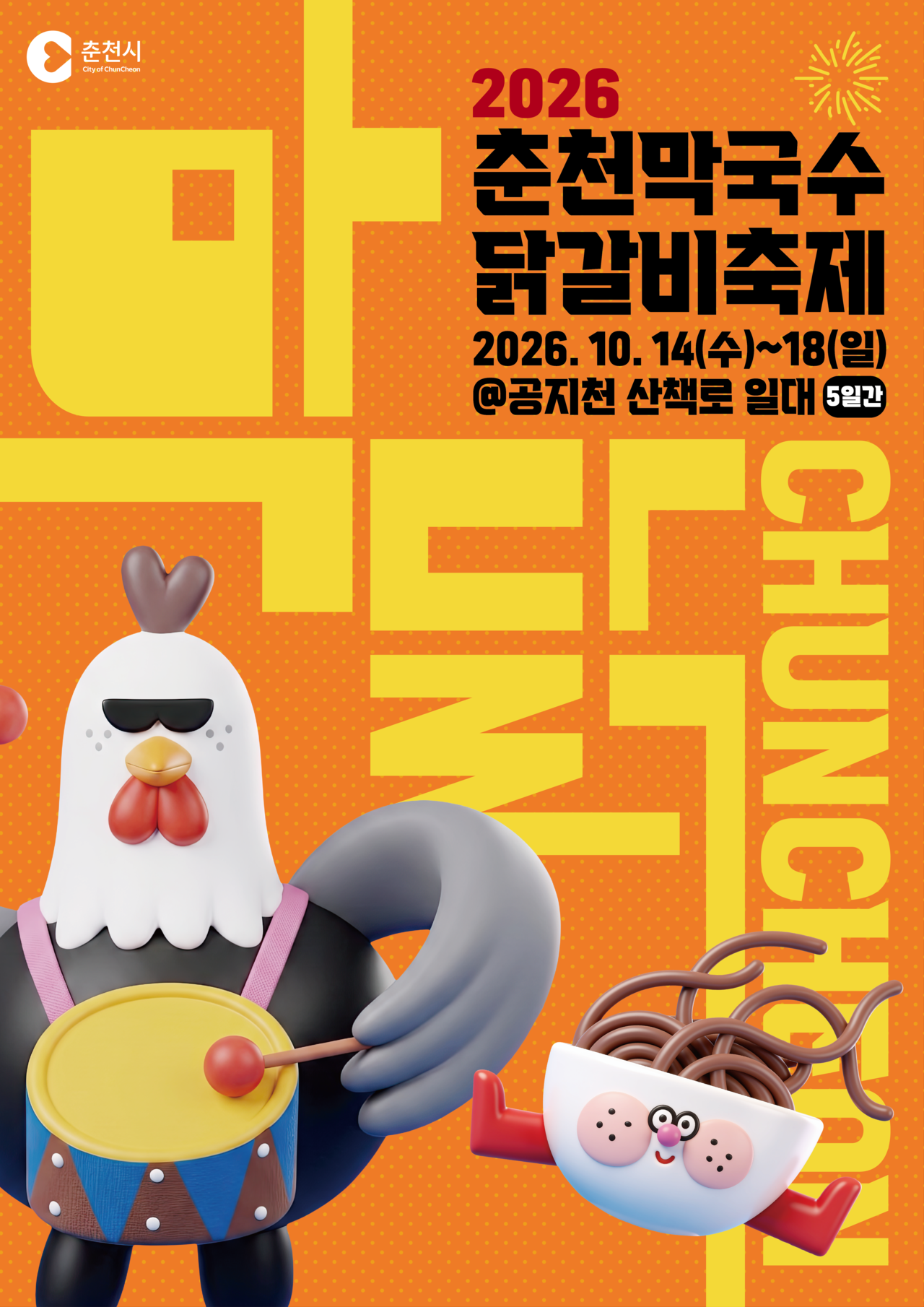
For the many Koreans who carry memories like these from Chuncheon, the city and the Chuncheon Makguksu Dakgalbi Festival organizing committee are distributing nationwide discount coupons — 3,000 won off dakgalbi and 1,500 won off makguksu — valid through Oct. 25, both online and in person. Distribution and redemption began Monday.
The initiative reflects Chuncheon's designation this year as a K-Gastronomic Belt city by the Ministry of Agriculture, Food and Rural Affairs and the Korean Food Promotion Institute, with the aim of making the festival accessible to visitors across the country.
As of Wednesday, 151 establishments are participating — 87 offline and 64 online.
The offline network covers 67 dakgalbi restaurants and 20 makguksu eateries, up 16 from last year's 71. Online participation through Naver Reservations has grown to 64 venues — 49 dakgalbi and 15 makguksu — an increase of 22 from last year.
Offline coupons are available at neighborhood administrative and welfare centers and tourist information offices. Promotional booths traveling to local events also hand out coupons to visitors who take part in simple activities such as food preference polls and quizzes.
Coupons have already been distributed at a university festival, the Chuncheon Liquor Festa and the Gangchon Mulbit Market. Promotional booths are planned for the Coffee Festa, the Ani-Toy Festival and the Makguksu Dakgalbi Festival itself.
Restaurants can still apply to join the program before the festival opens. Details on participating venues, how to use the coupons and how to apply are available on the festival's official website and social media channels.
The K-Gastronomic Belt project aims to weave together local ingredients, traditional food culture and regional stories into an immersive tourism experience. Last year, Gwangju, Andong and Geumsan were selected. This year's theme is chicken, making Chuncheon the obvious choice — joined by Jeju, Suwon and Gumi.
The push behind what is informally called the K-Chicken Belt stems from the dish's global popularity. A 2025 survey of overseas hansik consumers ranked Korean-style fried chicken first among preferred Korean foods, cited by 14 percent of respondents, cementing South Korea's image abroad as a nation of great chicken. Nationwide food travel programs to Chuncheon and the other designated cities are already under way.
Korail Tourism Development and Chuncheon city jointly launched a "2026 Chuncheon K-Chicken Belt" travel package. Day-trip options are divided into five itineraries tailored to different tastes, and an overnight package — "One Night, One Table in Chuncheon" — is also available. The programs connect local produce, food, drink and the stories of the people behind them, offering visitors a deeper experience of the city's culinary landscape.
The Chuncheon Makguksu Experience Museum lets visitors explore the full story of makguksu — noodles made and eaten fresh from the press. Visitors can try every step of the process, from kneading buckwheat flour to pulling the noodles themselves.
abc@heraldcorp.com