Housing Business Conditions Outlook Index for September: Greater Seoul up 3.1 points, non-metropolitan areas down 11.2 points
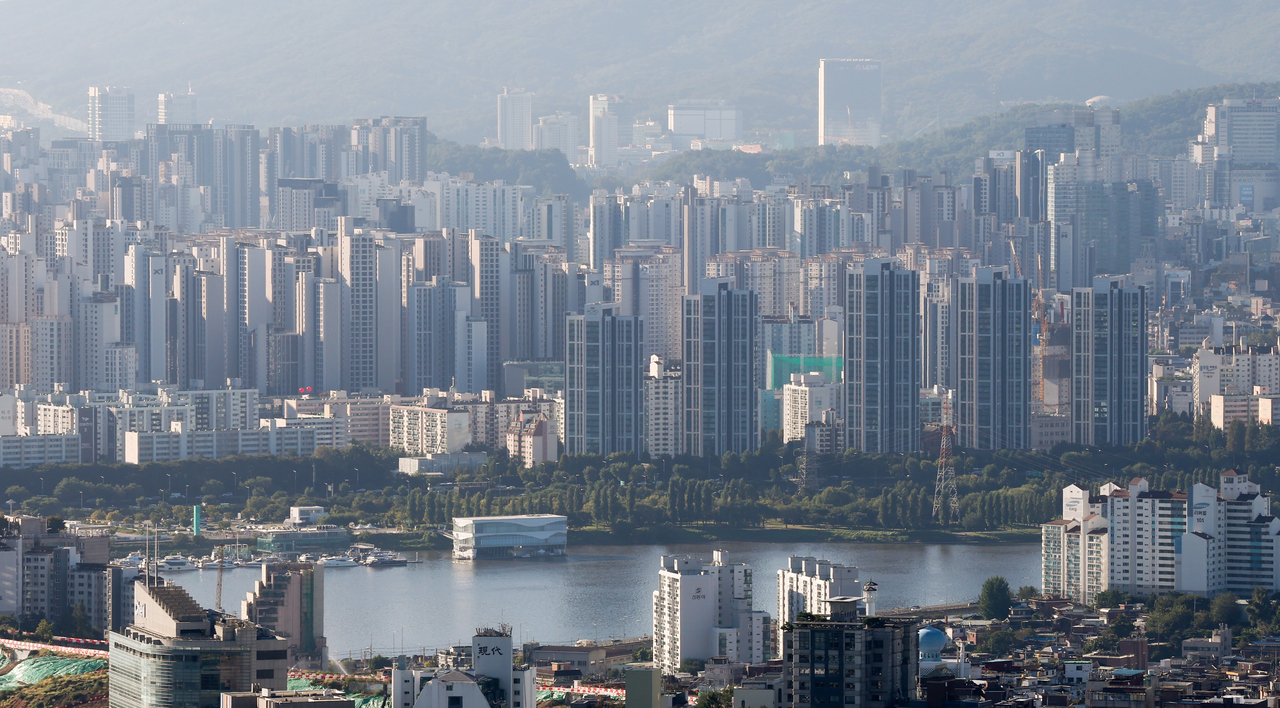
Housing developers have grown more optimistic about the Greater Seoul market, buoyed by rising home prices and government supply measures, but sentiment in non-metropolitan areas has moved in the opposite direction.
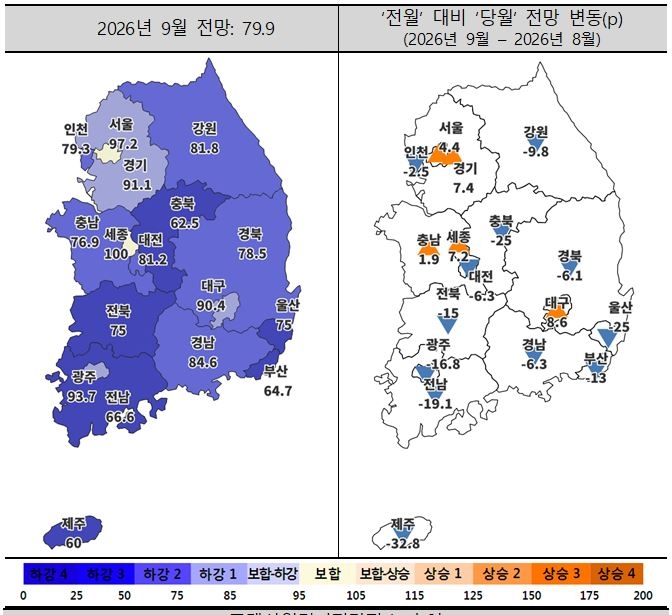
A survey of housing developers released Tuesday by the Korea Housing Industry Research Institute showed the September Housing Business Conditions Outlook Index for the Greater Seoul area rose 3.1 points from the previous month to 89.2.
A reading above the baseline of 100 indicates that more companies expect conditions to improve than to worsen. Seoul posted a reading of 97.2, up 4.4 points, while Gyeonggi Province climbed 7.4 points to 91.1. Incheon bucked the trend, falling 2.5 points to 79.3, highlighting regional disparities within the metropolitan area.
"Sale prices have continued to rise, particularly in areas of Seoul with concentrations of mid- to low-priced housing such as Nowon and Jungnang, and in southern Gyeonggi Province, where the semiconductor industry's strong performance has widened the upswing," an institute official said. "Expectations for improved supply conditions and business environments stemming from the Aug. 13 measures also contributed to the modest gain in the Greater Seoul index."
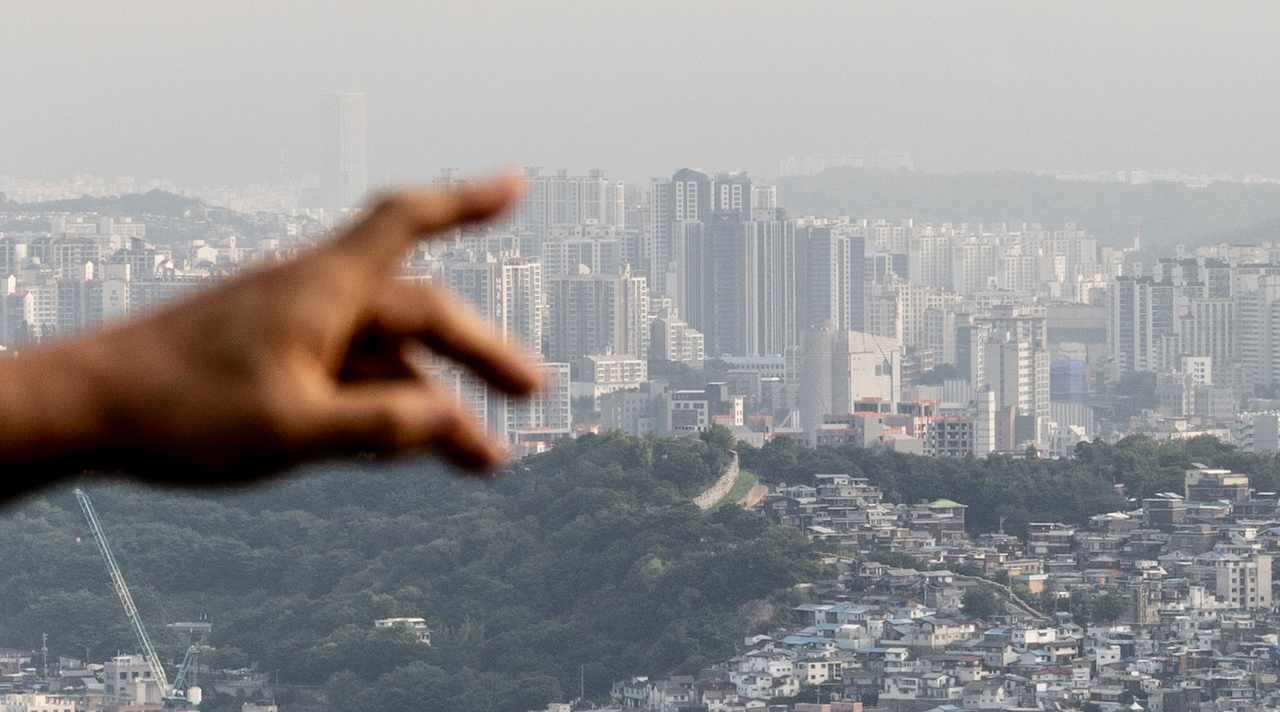
Several factors continue to cap any improvement in the outlook, including the ongoing financial burden from mortgage lending regulations and rising market interest rates, as well as a decline in home transaction volumes in the Greater Seoul area.
The index for non-metropolitan areas fell 11.2 points to 77.9, a sharp contrast to the capital region. Jeju dropped 32.8 points to 60.0, Ulsan fell 25.0 points to 75.0, and North Chungcheong Province declined 25.0 points to 62.5. The institute attributed the declines to the announcement of a heavier tax burden on multi-home owners, a buildup of unsold units, and persistently weak demand — factors that have weighed on sentiment after several months of gains driven by hopes that the Greater Seoul rally would spread nationwide.
The national index fell 8.7 points to 79.9. The September financing index rose 2.0 points from the previous month to 75.4.
The institute said the improvement in the financing index reflected expectations of better funding conditions, as the Aug. 13 measures included steps to strengthen financial support for housing supply projects — among them expanded project financing guarantees, broader capital provision, and lower guarantee fees.
The materials supply index fell 6.6 points to 88.7, weighed down by fading hopes for an end to the war involving Iran, rising construction costs, and continued price pressure on key building materials such as rebar.
Meanwhile, Seoul's home prices show no sign of cooling, driven by continued transactions in mid- to low-priced apartment areas. Although the Gangnam area has softened amid a heavier tax burden on high-value properties, demand has shifted to outer districts, pushing weekly sale prices higher for 83 consecutive weeks from the first week of February last year through the first week of this month. If the streak extends two more weeks, it will match the 85-week record set during the Moon Jae-in administration.
hope@heraldcorp.com