Seoul to grant full floor-area-ratio incentives when infrastructure is donated, allowing projects in third-class general residential zones to exceed the 250 percent cap; incentives to apply even when donations exceed the upper FAR limit, with Wolgyesamho 4th and Jungye Green complexes among expected beneficiaries
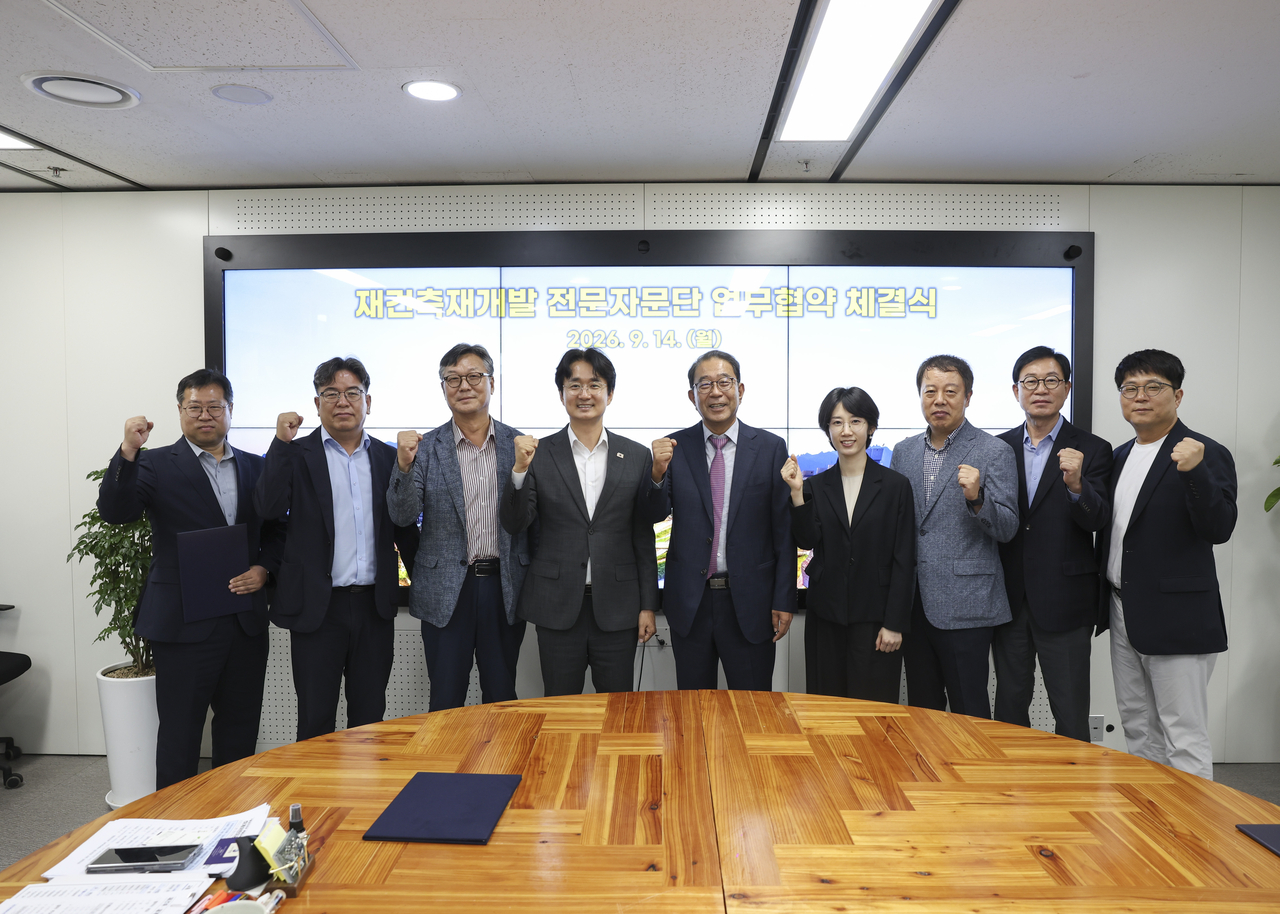
Nowon-gu has expressed strong support for the Seoul Metropolitan Government's proposed revision to the "2030 Seoul Urban and Residential Environment Improvement Master Plan (Residential Environment Improvement Project Sector)," which was publicly announced Thursday.
The revision incorporates a system improvement that Nowon-gu had long advocated: floor-area-ratio (FAR) incentives tied to the donation of infrastructure for public use. The change is expected to significantly improve the financial viability of reconstruction projects in the district.
Until now, some reconstruction complexes were required by law to donate infrastructure such as parks and roads to the public, yet could not receive the full corresponding FAR incentives because of the upper FAR cap. Wolgyesamho 4th Apartment and Jungye Green Apartment were prime examples — both complexes struggled to fully use the incentives tied to their infrastructure donations due to the upper FAR limit applied to third-class general residential zones.
The revised master plan removes that constraint, allowing FAR incentives to be recognized even for infrastructure donations that exceed the upper FAR limit.
The district expects the change to help reduce the financial burden on residents by expanding the volume of units available for general sale and improving overall project viability. While welcoming the reform, Nowon-gu noted that many reconstruction sites still face difficulty securing financial feasibility, and submitted two additional proposals to the Seoul Metropolitan Government aimed at lowering residents' cost burdens and improving project economics.
The first proposal calls for easing the rental housing ratio requirement for reconstruction projects. Under current Seoul city ordinance, redevelopment projects are subject to a minimum rental housing ratio, while reconstruction projects are subject to a maximum. Nowon-gu has proposed applying a minimum-ratio standard to reconstruction projects as well, lowering the rental housing requirement from the current 50 percent to 30 percent. The aim is to increase the share of units available for general sale in complexes with already-high floor-area ratios, improving project viability and reducing residents' financial contributions.
The second proposal seeks to expand the "project viability correction coefficient." The district has asked that a "sale price correction coefficient" be added to the current calculation framework and that the coefficient ceiling be raised from 2.0 to 3.0.
The measure is intended to address the structural disadvantage faced by areas within Seoul where sale prices are relatively low, making it harder to achieve financial viability. Expanding the correction coefficient would allow a higher proportion of units to be offered for general sale, improving project profitability and ultimately reducing the additional financial burden on residents — helping to accelerate improvement projects.
Since the launch of the ninth elected-term administration, Nowon-gu has been pursuing a "Reconstruction and Redevelopment Regulatory Innovation 100" initiative, providing close support to speed up improvement projects while identifying and addressing unreasonable regulations on the ground. Items that can be resolved internally are being addressed promptly, while those requiring changes to laws or systems are being actively proposed to the Seoul Metropolitan Government and the central government.
"Improvement projects are closely tied to the housing stability of our residents, and I will make sure that unreasonable regulations do not stand in the way of progress," Nowon-gu District Mayor Seo Jun-o said. "We will continue to push for regulatory reform in improvement projects, reflect the voices from the field in policy, and deliver meaningful improvements to the residential environment at pace while easing the burden on residents."
seouldream01@heraldcorp.com