
2025 total fertility rate hits 0.797 — highest among Seoul's districts — as births surge 21 percent this year
Cradle-to-school policies, from housework support for pregnant women to expanded public daycare, credited for the gains
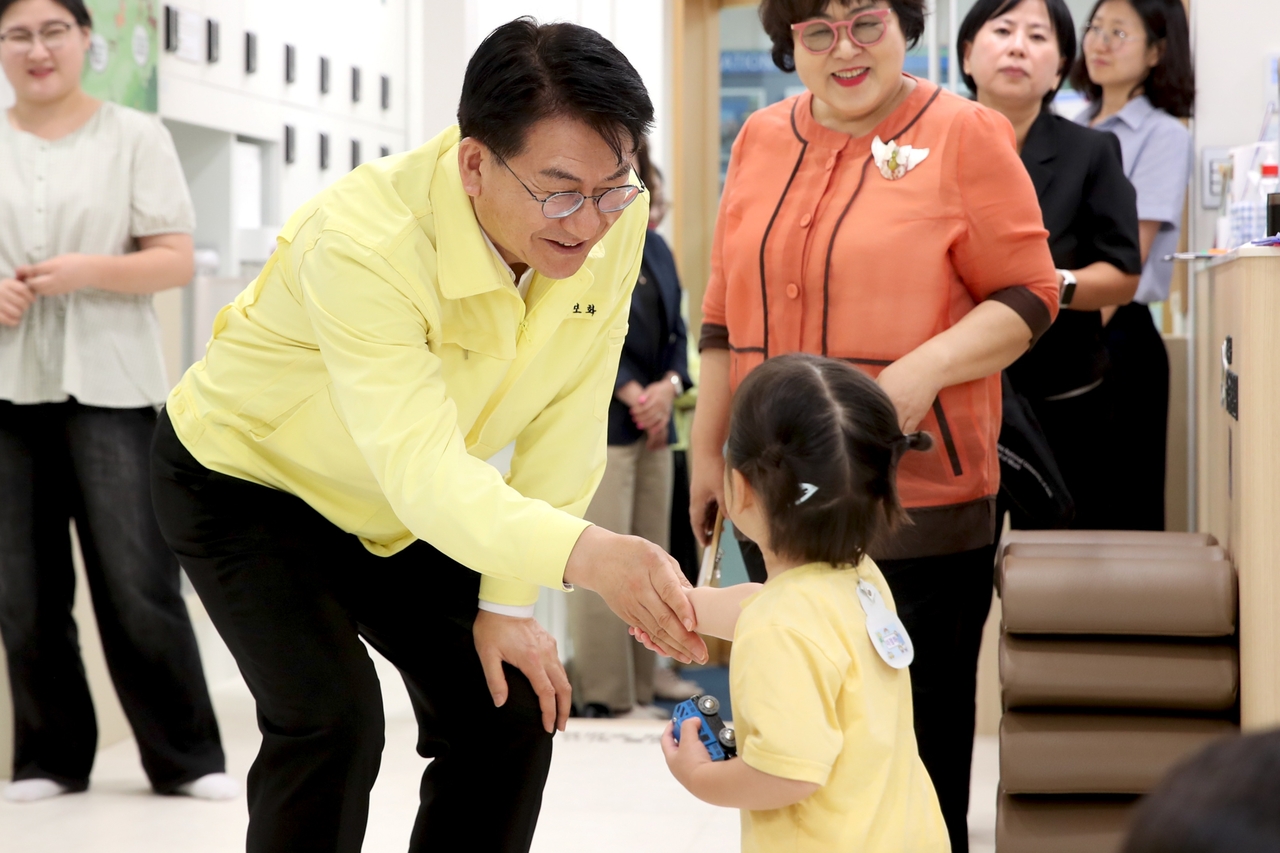
Seongdong-gu in Seoul topped all of the capital's districts in total fertility rate in 2025. The number of babies born this year has risen more than 20 percent from the same period last year, cementing its reputation among residents as a city where raising children is easier.
Seongdong-gu's total fertility rate ranked highest among Seoul's districts for a second consecutive year. According to the "2025 Birth and Death Statistics (final)" released Aug. 26 by the Ministry of Statistics, Seongdong-gu recorded a total fertility rate of 0.797, topping all of Seoul's districts for the second year in a row. The total fertility rate refers to the average number of children a woman of childbearing age (15 to 49) is expected to have over her lifetime.
The rise in births that began last year is even more pronounced this year. According to Ministry of Interior and Safety resident registration statistics, Seongdong-gu recorded 1,898 births in 2025, up 206, or 12.2 percent, from 2024. Between January and August of 2026, the district saw 1,500 births, up 261 from 1,239 in the same period last year — a growth rate of 21.1 percent.
The total fertility rate also ranked highest among Seoul's districts for a second consecutive year. According to the "2025 Birth and Death Statistics (final)" released Aug. 26 by the Ministry of Statistics, Seongdong-gu posted a total fertility rate of 0.797, the highest among Seoul's 25 districts. The total fertility rate refers to the average number of children a woman of childbearing age (15 to 49) is expected to have over her lifetime.
Seongdong-gu's low-birth-rate response policies cover everything from pregnancy and childbirth to infant care and after-school programs for elementary students. These efforts appear to have driven the rising birth indicators, easing the burden of raising children at every stage.
Seongdong-gu proactively introduced housework support for pregnant women, launching the "Seongdong-style housework support project for pregnant women" in 2020. The project aims to ease domestic burdens during pregnancy and childbirth. The district provides free housekeeping services to families residing in Seongdong-gu, from pregnancy through one year after childbirth. Families with a single child can use the service up to seven times, while those with multiple births can use it up to 10 times. The tailored service includes routine cleaning and laundry as well as cooking banchan and accompanying mothers to hospital visits, drawing high satisfaction from users.
Seongdong-gu is also strengthening childcare services for households facing gaps in care due to dual incomes. The "childcare support project" sends caregivers directly to households with children age 12 or younger who need care because both parents work. To quickly match families with caregivers, the district has supported caregiver activity stipends and expanded recruitment on a rolling basis, working to build up its pool of care workers.
Starting in the second half of 2027, the district plans to secure a dedicated pool of "Seongdong-style full-time caregivers" and roll out a new "Seongdong-style emergency childcare service." Families can request the service as little as two hours in advance in the event of a parent's sudden hospitalization or business trip.
Seongdong-gu has also steadily expanded its public childcare infrastructure so parents can safely entrust their children to care. Over the past decade, the district has added 30 public daycare centers by converting unused spaces in apartment complexes and religious facilities. As a result, as of August 2026, the utilization rate of public daycare centers in Seongdong-gu stood at 72.4 percent, far above the Seoul average of 57 percent. That rate is the highest among the capital's 25 districts.
In addition, the district is expanding support to cover early-morning care for dual-income households with elementary school-age children. Seongdong-gu will set up a "gap-time care center" near Oksu Station and begin a pilot run starting in the second half of 2027. The center will provide a safe place for children to stay before school starts, in place of parents who must leave early for work. It will also help ensure children can get to school safely.
"The steady increase in the number of babies born is a welcome sign for Seongdong's future," said Yoo Bo-hwa, district mayor of Seongdong-gu. "We will work even harder to build a Seongdong that firmly supports families from childbirth through childcare, so that this trend continues."
seouldream01@heraldcorp.com




