All 82 government tests found no formaldehyde, yet the district moves proactively to ease residents' concerns — inspectors will visit 381 kimchi-handling establishments including traditional markets, banchan shops and restaurants throughout September, focusing on napa cabbage kimchi, cabbage and red pepper powder, with strict action promised for any fraudulent labeling.
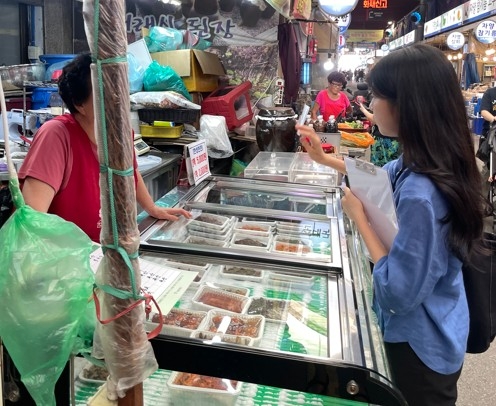
Gwangjin-gu will conduct a month-long special inspection of 381 kimchi-handling establishments across the district throughout September, targeting origin labeling of agricultural and fishery products ahead of the Chuseok holiday season, as the district moves to ease residents' concerns over the possible use of formaldehyde in Chinese-grown napa cabbage.
The concerns emerged after reports surfaced that formaldehyde was being applied to napa cabbage in China to preserve freshness. The Ministry of Food and Drug Safety tested 82 samples of Chinese-origin napa cabbage, kimchi and salted cabbage in domestic retail circulation through Aug. 27 and detected no formaldehyde in any of them.
The district said it would conduct its own on-site inspections of kimchi retail and consumption venues, independent of the government test results, to further ease residents' anxiety and strengthen food safety management.
The 381 establishments targeted include 240 general restaurants, 51 agricultural and fishery product vendors inside traditional markets, and 84 banchan shops. Ten inspection teams made up of 20 civil servants and consumer food hygiene monitors will visit each site in person.
The primary items under scrutiny are napa cabbage kimchi and its key ingredients — cabbage and red pepper powder. Inspectors will focus on whether origin labels are properly displayed and whether imported products are being sold as domestic ones. Any product suspected of carrying a false label will be collected and sent for testing. Restaurants will also be checked for general hygiene compliance and operator obligations beyond origin labeling.
Establishments found to have falsely labeled origins or passed off foreign products as domestic will face referral for prosecution and other measures under applicable regulations. Should any product posing a potential safety risk be found, the district plans to immediately share the information with the Seoul Metropolitan Government and other relevant agencies to block further retail distribution. Minor labeling deficiencies, however, will be addressed on the spot through administrative guidance.
"Even though the government tests found no problems, we need to act proactively to ease residents' concerns," Gwangjin-gu District Mayor Kim Kyung-ho said. "We will personally and thoroughly verify the kimchi origins at our neighborhood markets and restaurants, and take immediate action if any issues are found, so that residents can enjoy kimchi with peace of mind."
seouldream01@heraldcorp.com