
District proposes Hongje transit-oriented development, Sinchon youth AI special zone and expanded rail network to central government and Seoul
District mayor meets prime minister, Seoul officials and political leaders throughout August to seek support for key local projects
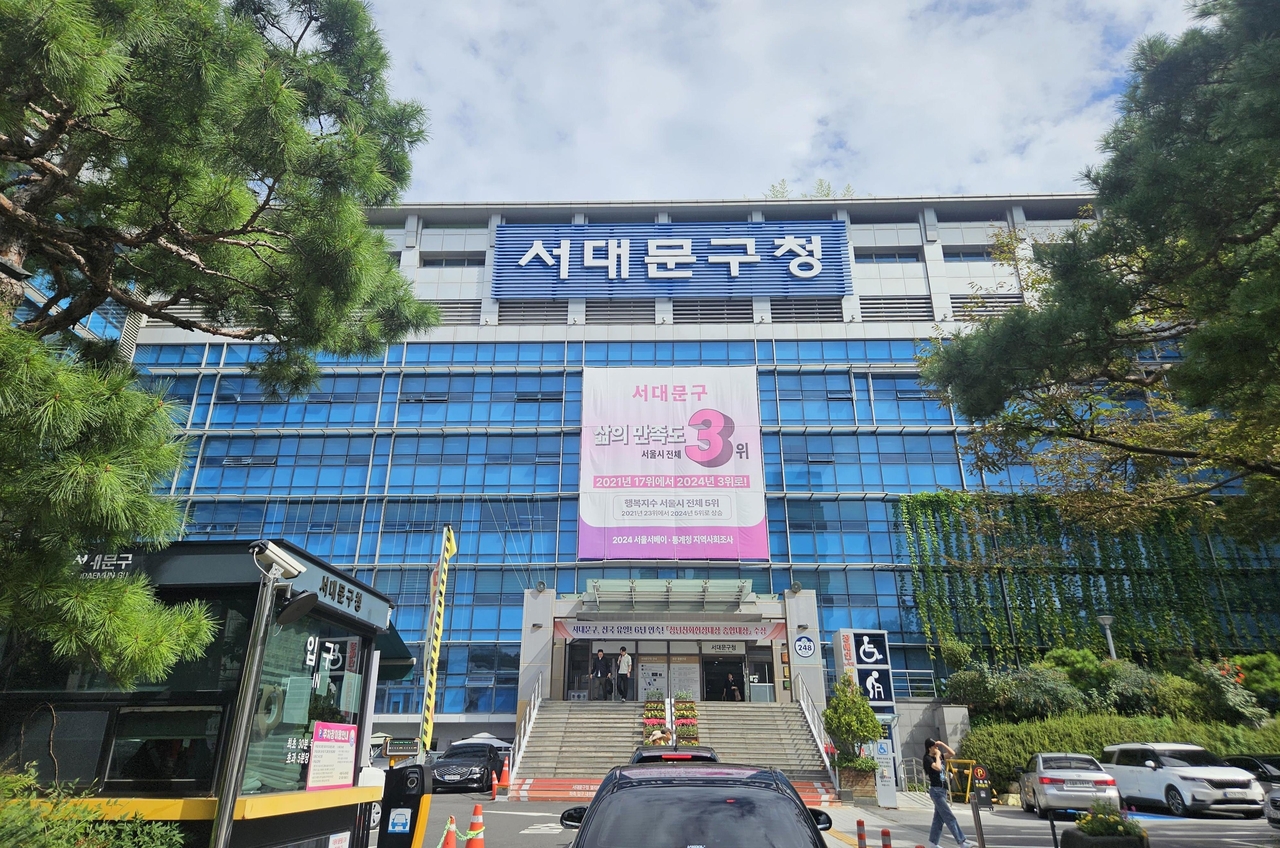
Major projects that will shape the future of Seodaemun-gu — including the redevelopment of the Hongje Station transit-oriented area, a youth AI special zone in Sinchon, and expanded rail lines — have been placed on the policy agenda of the central government and the Seoul Metropolitan Government.
Seodaemun-gu said it held a series of meetings throughout August with central government officials, Seoul city authorities and political leaders to seek policy and administrative support for key projects that cannot be resolved at the district level alone.
District Mayor Park Woon-ki attended a prime minister's roundtable on Aug. 21, a Democratic Party of Korea Seoul chapter policy forum and a national briefing for city, county and district heads on Aug. 27, and a meeting with Seoul Metropolitan Government officials on Monday, where he outlined the urgency of each issue and the district's circumstances.
The five core agenda items were: the revitalization of the Hongje Station transit-oriented area and the creation of a northwestern Seoul growth hub; the expansion of the metropolitan rail network, including the Seobu Line and the Gangbuk Crosstown Line; the establishment of a Sinchon youth AI special zone; the restoration of an urban ecological corridor linking five mountains and two streams; and the easing of regulations in natural landscape zones and development-restricted areas.
The Hongje Station transit-oriented development aims to transform the area around the station into a new growth hub for northwestern Seoul. The project envisions high-density mixed-use development — including 1,010 apartment units — to expand residential, commercial and cultural functions, along with waterfront spaces for residents.
The Sinchon youth AI special zone is designed to connect the area's strengths — nine universities and a large concentration of young people — to the AI industry. The plan calls for leveraging university talent and research infrastructure to drive youth employment and entrepreneurship, attract AI companies, and channel that energy into revitalizing the Sinchon commercial district.
On transportation, Park conveyed the need to expand the metropolitan rail network through the Seobu Line and the Gangbuk Crosstown Line. He described the commuting difficulties faced by residents who have long awaited the projects and called on relevant agencies to cooperate in moving them forward.
Park also raised the restoration of an urban ecological corridor connecting five mountains and two streams, and highlighted the difficulties communities face during redevelopment due to regulations governing natural landscape zones and development-restricted areas.
"We cannot simply give up on issues that are too difficult to resolve with the district's resources alone," Park said. "We will keep knocking on the doors of the central government and Seoul, secure the cooperation we need, and accelerate change in Seodaemun."
seouldream01@heraldcorp.com



