Starting Tuesday, 15 senior community centers in Mapo-gu will offer five-day-a-week lunches under a pilot program set to expand to 100 sites by 2027. The existing 24 centers continue as hub dining sites, while the 15 new locations operate under the expanded banchan factory delivery model.
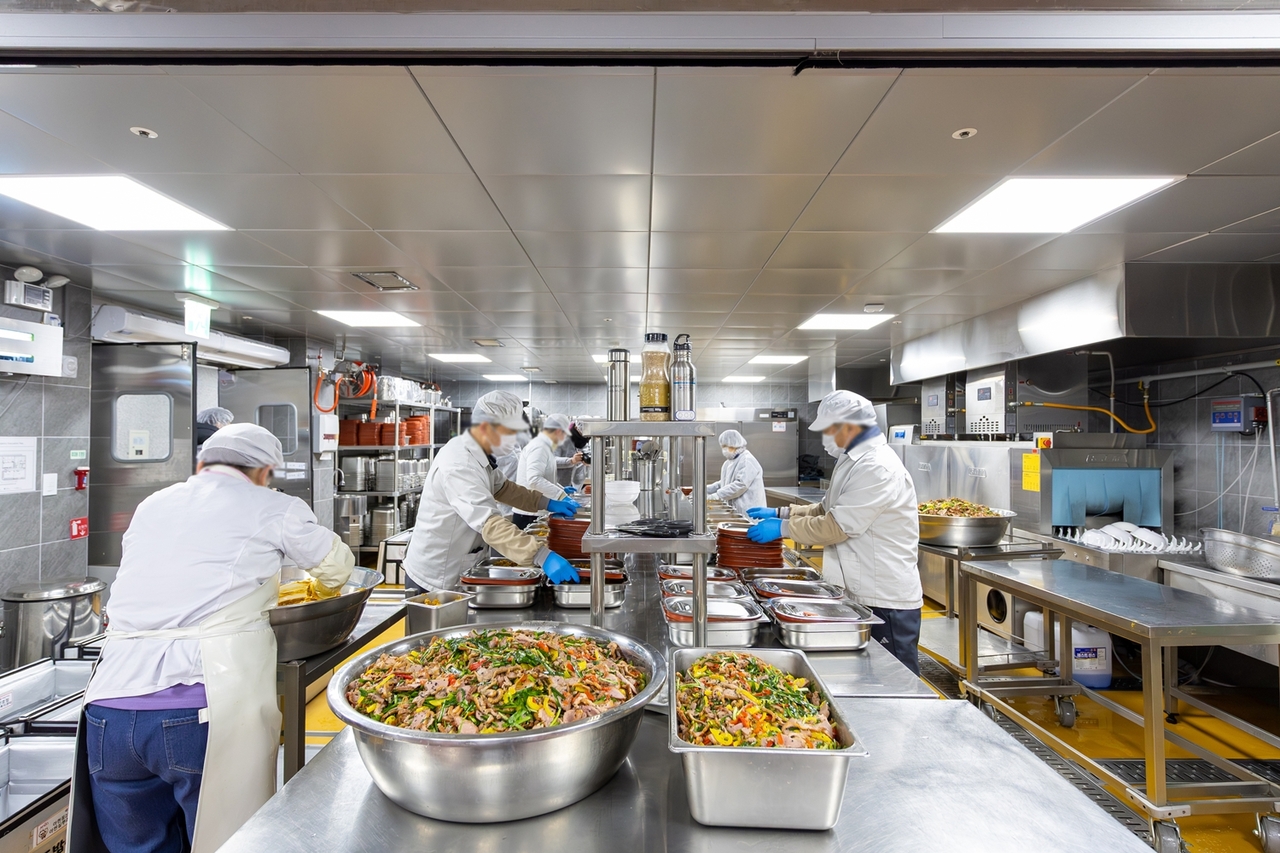
Mapo-gu has launched what it says is the nation's first public banchan factory-based meal delivery program for senior community centers, rolling out the pilot at 15 locations across the district starting Tuesday.
The district has been building its "Mapo-style public senior meal system" through hub dining sites at religious and public facilities, operating the program under the name "Eoreushin Bapsang" — a senior meal service.
At the banchan factory, a nutritionist designs menus with seniors' dietary needs and ease of eating in mind, overseeing everything from ingredient inspection to cooking, packaging and delivery.
The new "community center dining" pilot extends the banchan factory supply chain directly to senior community centers, allowing members to eat at the neighborhood centers they already frequent. It broadens the reach of the existing Eoreushin Bapsang service.
Previously, individual community centers cooked rice and side dishes on-site one to five days a week, depending on each center's capacity.
Under the pilot, the banchan factory delivers prepared soup and side dishes directly to participating centers, which then provide lunch five days a week, excluding public holidays.
Centers need only cook rice to match the number of diners and serve it alongside the delivered soup and banchan, significantly reducing the cooking burden on staff.
The 15 newly participating centers are expected to serve an average of about 400 seniors per day. Combined with the existing hub dining sites, all 39 participating community centers are projected to serve an average of about 1,200 seniors daily.
Meal attendance records will also serve as a welfare check network. If a senior who regularly visits a center stops showing up for an extended period, or if signs of deteriorating health or a care gap emerge, the center will coordinate with the local community service office to connect the individual with health and welfare support.
The expansion also marks a shift away from reliance on private donations, establishing a stable meal-service foundation funded by public resources.
The district will run the pilot through December, gather feedback from participating seniors and community center staff, and refine operations before scaling up from 2027 — targeting 100 community center dining sites serving an average of 2,000 seniors per day.
Residents can contact the Mapo-gu Office's Senior Policy Division or their nearest community service center for information on participating locations and how to use the service.
Mapo-gu District Mayor Yoo Dong-kyun said the program extends meal support beyond the existing hub dining sites to community center members. "The Mapo model — supplying soup and banchan produced directly at a public banchan factory to senior community centers — is a new approach being tried for the first time anywhere in the country," he said. He added that the district would strengthen senior support by building a stable, publicly funded meal system that connects dining with welfare checks, health management and care referrals, without depending on donations.
seouldream01@heraldcorp.com