The 11th council's speakers were born in 1956 and 1967; the 12th council's first-half speaker was born in 1978 — the speakership has grown 18 years younger in just four years. With 62 percent of the 118-member council serving their first term, attention turns to whether the younger leadership will deliver a different kind of politics.
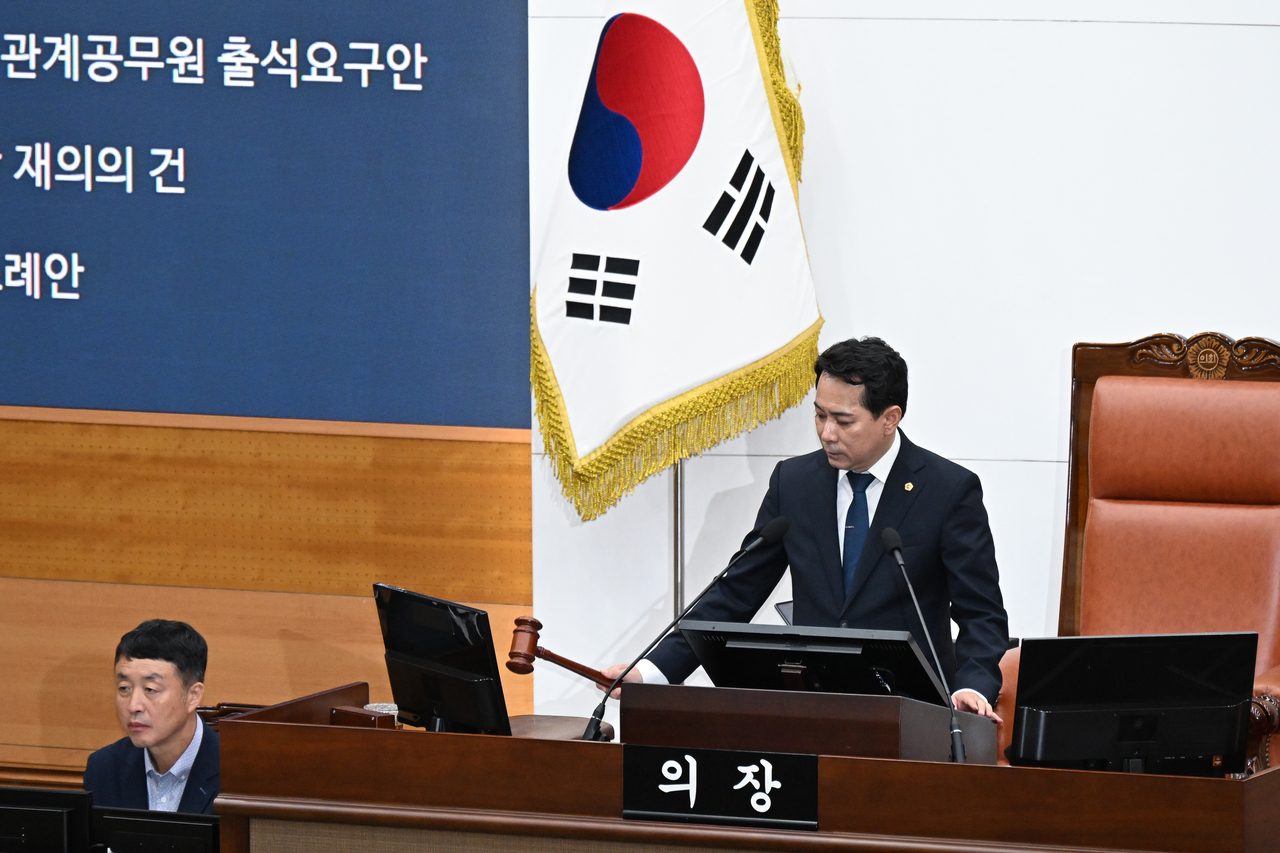
The three most recent speakers of the Seoul Metropolitan Council were born in 1956, 1967 and 1978, respectively — each serving a different term. Former Speaker Kim Hyun-gi, now Gangnam-gu District Mayor, was born in 1956 and served as speaker of the 11th council's first half; former Speaker Choi Ho-jeong, born in 1967, led the second half. Current Speaker Im Man-gyun, born in 1978, now heads the 12th council's first half.
Kim was 66 when elected speaker, and Choi was 57. Im is 48. The age gap between Kim and Choi was nine years; between Choi and Im, another nine. In just four years, the speakership has become 18 years younger.
Im is also the first speaker in the Seoul Metropolitan Council's history to be in his 40s.
Age alone, of course, does not determine a person's convictions, political leanings or approach to legislative work. Yet generational change often brings different ways of thinking, communicating and running an organization.
The composition of the 12th Seoul Metropolitan Council reflects that shift. Of its 118 members, 74 — or 62.7 percent — are serving their first term, meaning more than six in 10 lawmakers are entering the council for the first time.
"The proportion of first-term members is higher than at any previous council," a council official said. "With so many younger lawmakers coming in, the way the council conducts its work and communicates with citizens is likely to look quite different from the past."
A generational turnover is also visible among the council's key leadership figures.
Among the 12th council's first-half leadership, Deputy Speaker Seong Heum-je was born in 1965. Deputy Speaker Lee Seong-bae was born in 1976; Democratic Party of Korea floor leader Lee Sang-hun in 1971; People Power Party floor leader Kim Gil-yeong in 1973; and steering committee chairman Lee Byeong-do in 1972.
With the exception of Deputy Speaker Seong, the speaker, both deputy speakers, the floor leaders of both parties and the steering committee chairman are all from the 1970s generation.
Speaker Im, born in 1978, and Deputy Speaker Lee Seong-bae, born in 1976, are both in their 40s. Having politicians in their 40s at the very top of the council's leadership carries its own symbolic weight.
The generational shift at the Seoul Metropolitan Council goes beyond a lower average age at the top. With first-term members accounting for more than 60 percent of the full membership, established practices and ways of conducting legislative business may also be in for a change.
Whether the council can build a new political culture — one focused on policy and results rather than partisan conflict, and one that uses social media and video content to communicate directly with citizens — is a question many are watching closely.
Youth and change, however, do not automatically guarantee legislative competence. With so many first-term members, the key question is how quickly they can build the expertise needed to scrutinize the city government, oversee its operations and review budgets and ordinances.
The 12th Seoul Metropolitan Council — launched with a speaker in his 40s, a leadership core born in the 1970s and 62.7 percent first-term members — now faces the test of whether it can deliver a new model of city politics to match its generational makeover.
seouldream01@heraldcorp.com