Seoul city treasury contributions top 300 billion won over four years; district accounts demand 15 billion to 20 billion won
Heavy contributions, above-market rates and sponsorship costs deter banks from bidding
Gangnam-gu and Dongdaemun-gu re-advertise after competitive bids fall through; incumbents seen as only likely participants
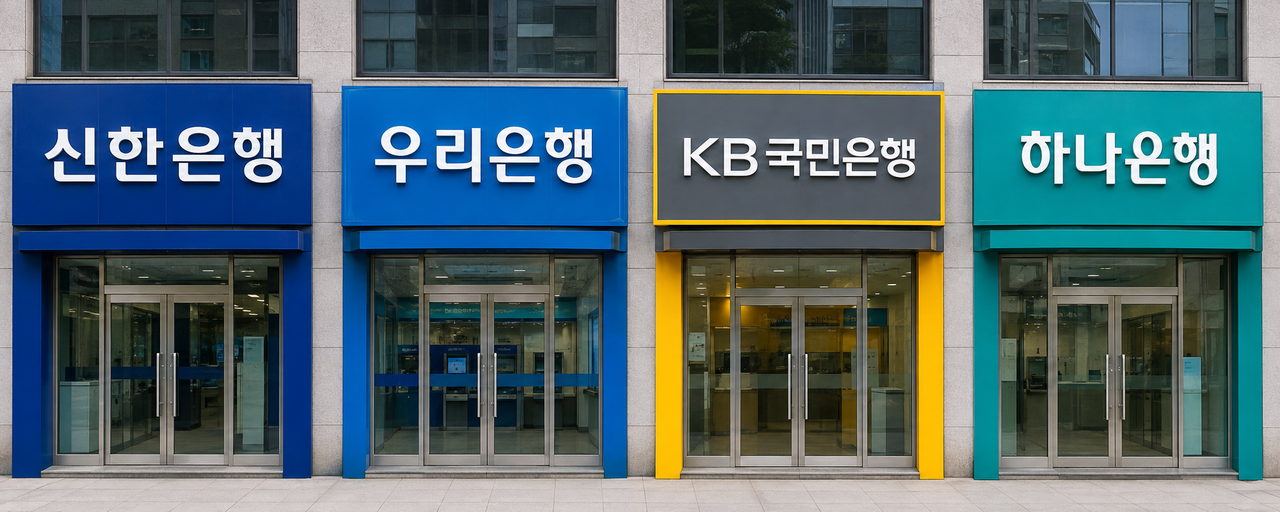
Banks competing to manage Seoul's city treasury account have been committing more than 300 billion won ($217 million) in contributions over a four-year contract period, while contributions for individual district treasury accounts have reached the 15 billion to 20 billion won range — figures that strain credibility.
The contribution levels required to win Seoul's city treasury account are understood to exceed 300 billion won over four years, with some district accounts demanding between 15 billion and 20 billion won.
The burden does not stop at contributions. The contracted interest rates applied to deposits placed by the Seoul Metropolitan Government and its district offices also run above standard deposit rates.
As a result, the four major commercial banks — Shinhan Bank, Woori Bank, KB Kookmin Bank and Hana Bank — are wrestling seriously with whether to participate in city and district treasury bids at all.
Managing a city or district treasury account was once considered a reliable source of profit. But as contribution competition has intensified and contracted rates have risen, a growing chorus within the banking industry holds that meaningful returns from running these accounts are no longer achievable.
Banks must also shoulder sponsorship costs for festivals and events organized by the Seoul Metropolitan Government and district offices, deepening their misgivings.
Industry insiders say some treasury accounts now generate annual losses running into the tens of billions of won — with some estimates reaching hundreds of billions — rather than any profit at all.
Shinhan Bank was selected to manage the Seoul city treasury account after a fiercely contested bid in May that drew all four major banks. The annual contribution Shinhan Bank committed to securing that account is understood to run into the hundreds of billions of won.
Amid this, the selection process for district treasury accounts in major districts including Gangnam-gu, Seocho-gu and Dongdaemun-gu has formally begun — but cases in which no bank other than the incumbent submits a bid are mounting.
Only Shinhan Bank, which holds the Gangnam-gu treasury account through the end of this year, is understood to have submitted a bid. With no competing bank entering, the district failed to meet the threshold for a competitive tender and has re-advertised the contract. If no additional bidder comes forward in response to the re-advertisement, the district will negotiate a contract directly with the incumbent.
Dongdaemun-gu issued a similar notice for its district treasury account, but no bank other than incumbent KB Kookmin Bank submitted a bid, and the district has also moved to re-advertise.
Analysts say commercial banks are shying away from new bids because running a city or district treasury account has become not merely unprofitable but actively loss-making.
However, managing a city or district treasury account carries significant symbolic value: it enhances a bank's public credibility and reputation, and secures a foundation for business relationships with local governments and their affiliated agencies.
For that reason, banks already holding treasury accounts appear considerably more motivated to retain them than outside banks are to challenge for them.
"Even district treasury accounts are generating losses of tens of billions of won a year in their day-to-day operations," said the branch manager of one Seoul district treasury office. "The era of making money by managing city or district treasury accounts is in effect over."
seouldream01@heraldcorp.com