
Agency shifts focus to public participation and field-based solutions; expands investigative oversight and AI capabilities
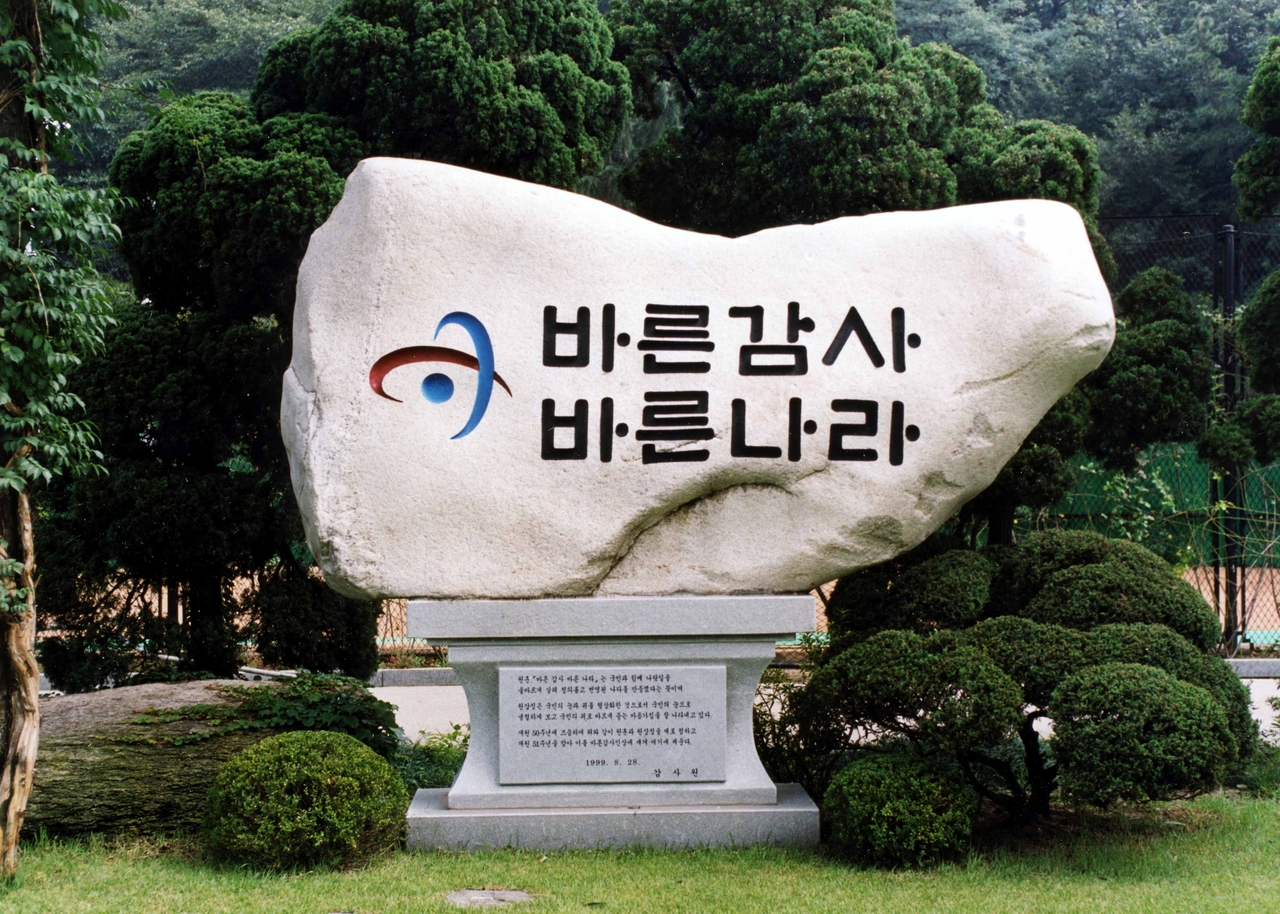
South Korea's Board of Audit and Inspection has announced a sweeping shift in how it operates, moving away from a model centered on catching violations and reprimanding officials toward one that prioritizes improving the lives of ordinary citizens as the ultimate beneficiaries of public administration.
The agency marked its 78th anniversary Friday at a ceremony held at its main office in Jongno-gu, Seoul, unveiling a new operational framework and organizational restructuring plan. The changes drew on the work of a 67-member strategic TF that had been operating since February to establish a new audit management direction.
Under the new framework, the agency will break from its practice of relying mainly on internal reviews when drawing up annual audit plans, introducing public participation mechanisms — including a public audit proposal competition and a citizen audit participation panel. During audits, inspectors will focus on identifying practical remedies for on-the-ground problems and blind spots in public services. When processing audit findings, the agency will weigh officials' contributions to improving public welfare and their procedural efforts, establishing criteria under which liability may be waived or reduced.
The restructuring includes the creation of a Climate and Environment Audit Bureau, comprising four divisions, dedicated to responding to the global climate crisis. The number of audit divisions within the Administrative and Cultural Audit Bureau handling investigative agencies and constitutional institutions was also expanded from two to three, reflecting lessons from the National Election Commission controversy and the separation of investigative and prosecutorial powers.
A new Strategic Planning Office will also be established under the Planning and Coordination Office, staffed with officials responsible for audit strategy, audit effectiveness analysis, and AI and information technology. To strengthen audit quality and the independence of deliberations, the number of coordination officers was increased from three to five and repositioned directly under the secretary general. The division handling review petitions was also expanded from two units to three.
sunpine@heraldcorp.com




