Pilot launch set for Friday; dedicated platform aims to make overseas direct purchases safer and more convenient
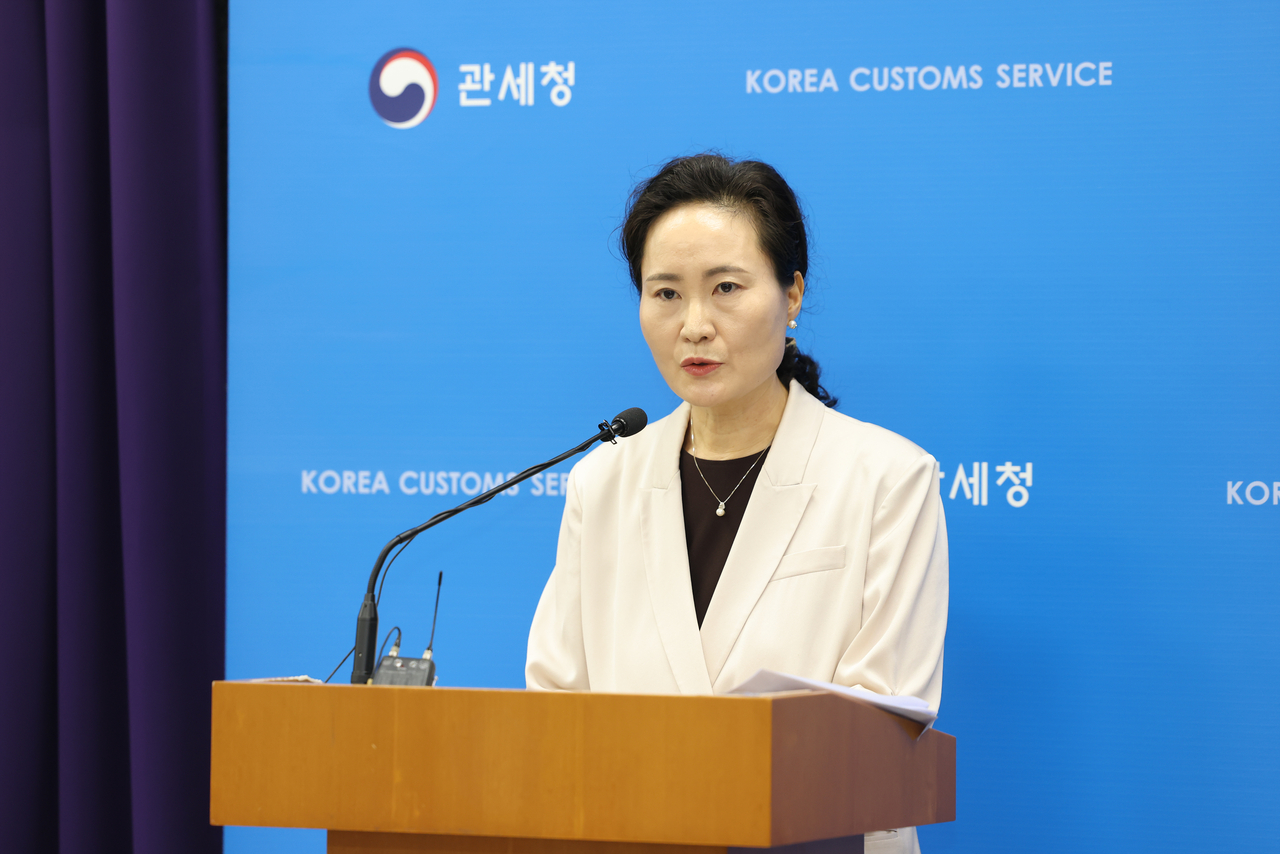
The Korea Customs Service will launch a pilot of its dedicated e-commerce customs clearance platform on Friday, aiming to block the theft of personal customs identification codes and create a safer environment for overseas direct purchases.
The move comes in response to a surge in cross-border online shopping accompanied by a growing number of cases in which stolen personal customs codes were used to evade taxes or smuggle narcotics.
One-time authentication codes to prevent personal customs code theft
Under the new system, shoppers making overseas direct purchases must enter a one-time authentication code — sent by email or text message — alongside their personal customs code for each transaction. However, customers using shopping platforms that the Korea Customs Service has certified as having their own identity-verification systems will be exempt from entering both codes, streamlining the purchase process.
Existing personal customs codes expire on the holder's birthday in 2027. Until a code is renewed, users may continue placing orders by entering only their existing personal customs code as before. Once a code is renewed, both the personal customs code and a one-time authentication code will be required to complete an order.
Anyone who obtains a new personal customs code or updates their registered information after Friday will immediately be subject to the one-time authentication code requirement. Those who wish to strengthen their personal data protection sooner can do so by updating the information they submitted when their code was issued.
Tighter oversight of overseas direct-purchase goods
The Korea Customs Service will register and manage domestic and overseas e-commerce operators — covering sales, brokerage and delivery — and receive advance purchase order data from online mall operators. It will also introduce dedicated import declaration forms and clearance manifests tailored to e-commerce, building a system to secure and manage accurate customs data. On that basis, the agency will more efficiently screen and inspect high-risk shipments with unclear supply chain information.
One-stop e-commerce customs portal
Through the platform, users will be able to manage their personal customs codes — including issuance, renewal and cancellation — and handle tariff inquiries, payments and refunds, clearance status and history checks, and one-time authentication code lookups, all in one place.
Lee Jin-hee, director general of the customs clearance bureau at the Korea Customs Service, said the platform would begin its pilot run on Friday and move to an official full launch before the end of the year once the service has stabilized. "The public will be able to use overseas direct purchasing safely without worrying about personal customs code theft," Lee said, adding that customs authorities plan to continue conducting multiple rounds of intensive inspections on high-risk shipments — including those involving narcotics, firearms and consignees whose information is unclear.
kwonhl@heraldcorp.com