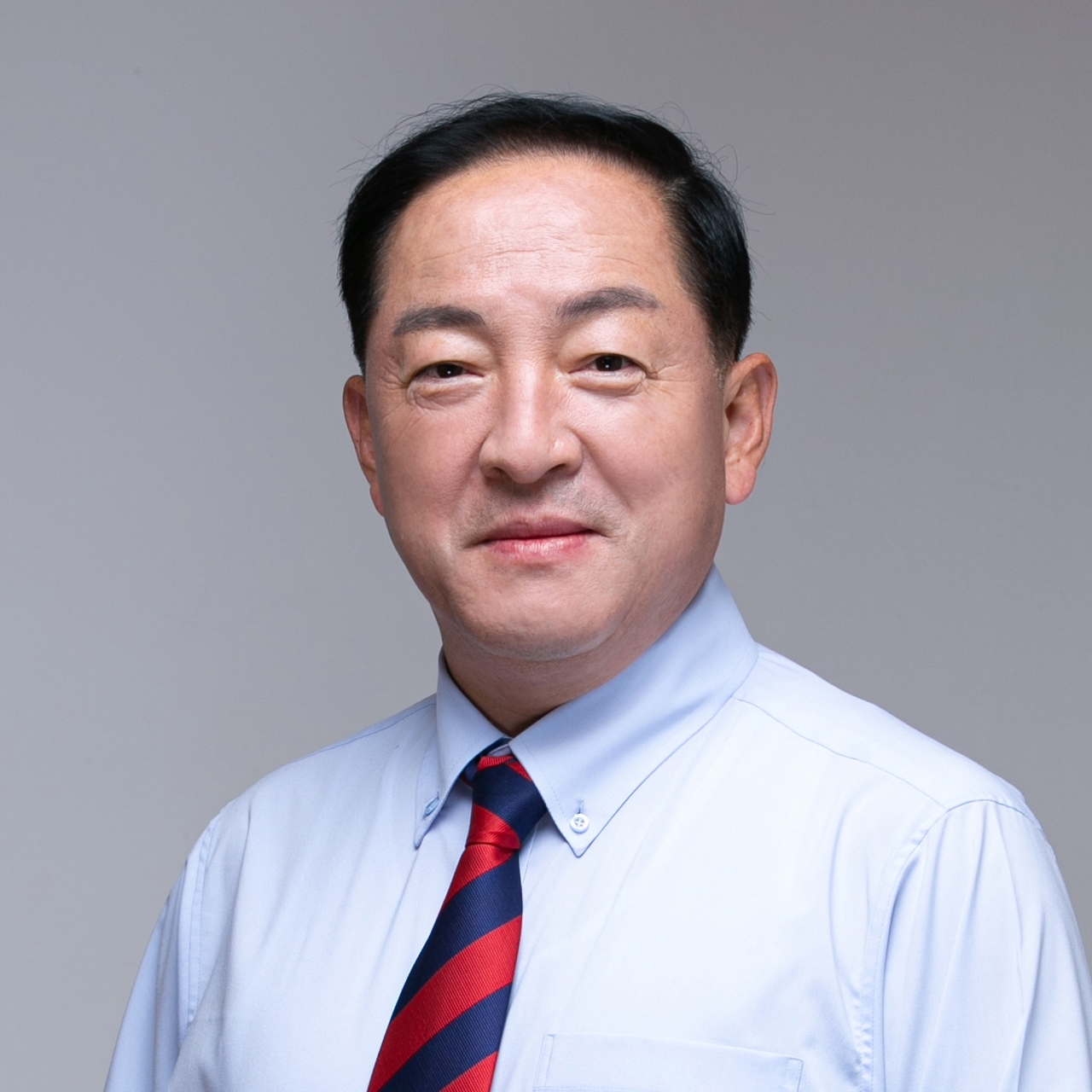
Sokcho Mayor Lee Byung-sun said the most important outcome of urban regeneration is not the construction of a single new facility, but the transformation of residents' daily lives and the new possibilities that change opens up for a community.
"Building on the experience we have accumulated in the Cheongho 2 saemaul and Hwachae village, we will carry that momentum into Jangsa saemaul," Lee said. "In Sangdomun and Abai village, we will work diligently to connect each area's unique values to the lives of its residents and to the vitality of the community."
What began as repairs to aging homes and alleyways has grown into a community-tailored regeneration effort that is reshaping residents' living environments and reviving the distinctive character of each neighborhood in Sokcho.
The city's urban regeneration drive began in earnest at the Cheongho 2 saemaul. The area took shape after disaster-relief housing was built for survivors of a major East Sea tsunami in 1968. From 2020 to 2024, the city invested a total of 8.17 billion won ($5.77 million) to progressively improve living conditions — renovating deteriorated homes and upgrading roads, street and security lighting, and parking facilities. A saemaul community center housing an urban regeneration support center and meeting rooms was also established as an on-site hub connecting residents to the regeneration effort.
The changes that began in the Cheongho 2 saemaul spread to Hwachae village in Seorakdong. The city has been pursuing urban regeneration there from 2023 to 2027 at a total cost of 9.35 billion won. To date, repairs have been completed on 124 deteriorated homes, and living conditions have been improved through alleyway upgrades, new fences and gates, and smart streetlights. Resident amenity facilities have also been expanded, including the Hwachaelak Center, Hwachaelak Garden and a senior care room.
The Hwachae village regeneration project won the top prize at the residential environment improvement competition held as part of the 10th Urban Regeneration Festival in 2025, and participating households gave the project a satisfaction score of 4.8 out of 5. The tailored home-repair approach and resident-driven participation model drew particularly high marks.
The regeneration momentum is now extending to Jangsa saemaul in Yeongrangdong. The city is carrying out a project there from 2025 to 2028 at a total cost of 9.07 billion won. By the end of July, repairs had been completed on 48 deteriorated homes and smart streetlights had been installed. The city plans to develop community spaces for everyday use — including the Yeongrang Community Center and the Jangsa Senior Plus Center — in phases going forward.
Drawing on the urban regeneration experience accumulated across the Cheongho 2 saemaul, Hwachae village and Jangsa saemaul, Sokcho is now moving beyond its earlier focus on residential environment improvements toward a more tailored form of regeneration that brings out the unique resources and character of each area.
In Sangdomun stone-wall village, the city will invest a total of 1.9 billion won from 2026 to 2027 on an alleyway landscape improvement project. The plan is to preserve the village's 500-year-old stone walls and traditional streetscape while upgrading deteriorated alleyways and improving pedestrian safety, enhancing both the quality of life for residents and the area's appeal as a tourism asset.
In Abai village in Cheonghodong, the city is preparing to apply for the Ministry of Land, Infrastructure and Transport's region-specific regeneration project grant competition. The project carries a total budget of 25 billion won, with a target of securing up to 15 billion won in national government funding. The focus is on connecting Abai village's distinctive history and cultural identity to broader community revitalization. The city is consolidating resident input through a community consultative body to finalize its urban regeneration activation plan, with the goal of being selected in the first half of 2027.
fob140@heraldcorp.com