
Yangcheon-gu is launching an IoT-based environmental sensor installation project at local daycare centers to protect the health of infants and toddlers — a group particularly vulnerable to fine dust and respiratory illness — and to create a cleaner childcare environment, the district announced.
The IoT environmental sensors use internet-of-things technology to measure and transmit real-time readings of indoor air quality indicators, including fine dust, ultrafine particulate matter and carbon dioxide. Based on the readings, staff can quickly take action — such as ventilating rooms or running air purifiers — allowing for more systematic management of indoor conditions at facilities where large numbers of young children spend extended hours together.
The district began the program in 2023 by supporting sensor installations at eight daycare centers with a total floor area of 430 square meters or more, the threshold for mandatory management under the Indoor Air Quality Control Act. It has since completed installations at 34 facilities in total.
Starting last year, the district removed the floor-area restriction and expanded eligibility to all local daycare centers wishing to participate. It plans to continue the project until IoT environmental sensors are in place across all daycare centers in the district.
This year's new round of support covers 31 facilities — 16 public daycare centers, two private centers and 13 home-based centers. The district will accept applications and select recipients based on a comprehensive review of factors including the number of enrolled children and total floor area, then cover 500,000 won per facility in sensor installation costs.
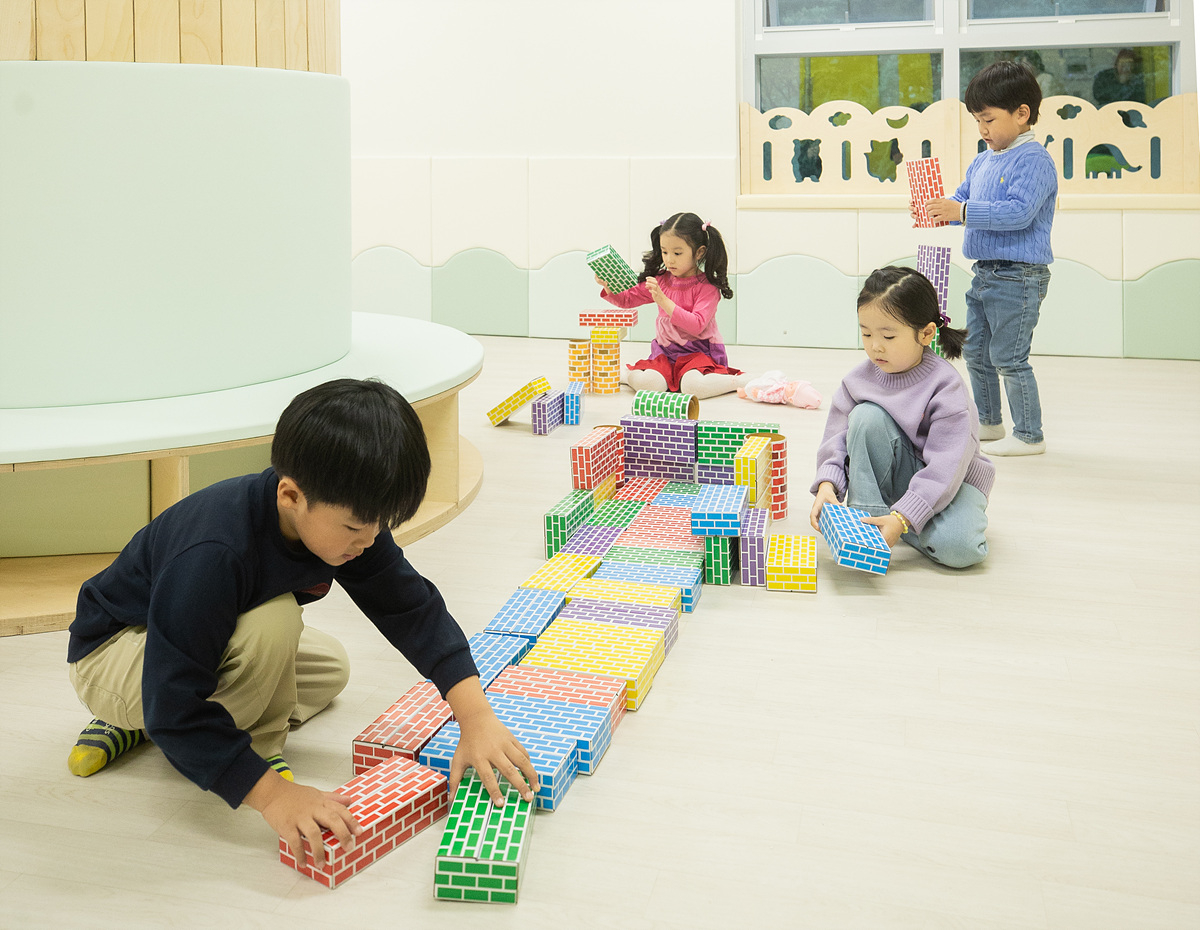
The district is also continuing broader support to improve childcare environments and service quality. It provides funding for teaching and learning materials — including supplies for block play, art activities and language development — needed for infant and toddler care. In the first half of this year, 37 centers received that support following a demand survey. The district plans to extend it to an additional 45 centers in the second half to ease the operational burden on facilities and help sustain stable childcare environments.
"Managing the indoor air quality of daycare centers — where young children with weaker immune systems spend much of their day — in real time is a critically important task directly tied to their health," district mayor Lee Gi-jae said. "By using IoT technology to monitor air quality around the clock, we will create a childcare environment where children can grow up healthy and parents can drop them off with peace of mind."
seouldream01@heraldcorp.com




