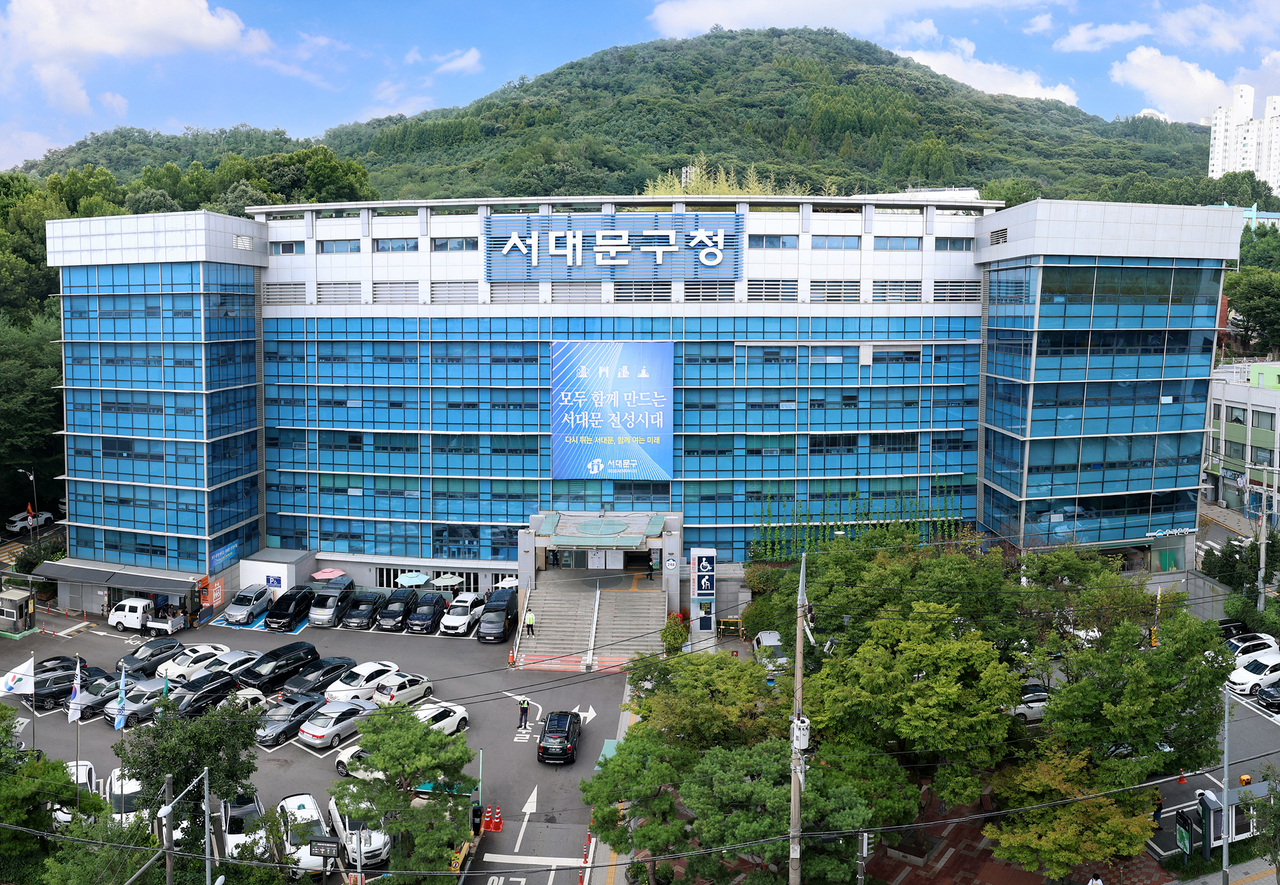
Resident self-governance — giving community members a direct say in their neighborhood's future — is making a comeback in Seodaemun-gu.
The district, led by Mayor Park Un-gi, announced it will hold open recruitment for resident council members from Thursday through Sept. 7, ahead of the official launch of all 14 neighborhood resident councils in November.
The recruitment drive marks the first step in reviving resident self-governance four years after operations were suspended in November 2022. It signals the full restart of grassroots, resident-led governance in which community members identify local issues, discuss solutions and collectively shape the neighborhood's future.
On his first day in office, Park signed off on an "Activation Plan for Resident Councils" as the first official act of the ninth elected term, establishing the restoration of resident self-governance as a core policy priority.
The district has since been steadily rebuilding the operational foundation for the councils. On July 29, it amended the "Seodaemun-gu, Seoul Metropolitan City Ordinance on the Establishment and Operation of Resident Councils" to incorporate revisions to the Local Autonomy Act and put in place the institutional framework governing council composition and operations.
The revised ordinance moves away from a one-size-fits-all approach to council membership, instead setting seat allocations based on each neighborhood's population size to strengthen representativeness and fairness.
Each council will have up to about 50 members, capped at 0.2 percent of the neighborhood's total population. At least 70 percent of seats will be filled through open public recruitment, with the remaining fewer than 30 percent filled through nominations, ensuring broad community participation.
Resident councils are representative bodies through which residents — rather than simply providing input to the administration — directly identify local issues, draw up self-governance plans and carry them out through general assemblies. They are regarded as a cornerstone of everyday democracy, with residents acting as drivers of local change rather than passive beneficiaries of policy.
Eligibility is open to anyone aged 18 or older as of the announcement date of Thursday who is registered in the relevant neighborhood. Foreign nationals holding permanent residency under the Immigration Act and listed in the foreign resident registry are also eligible, as are people who work at a business, school, institution or organization located in the neighborhood — extending participation beyond residents to anyone who works, studies or is active in the area, broadening the councils' representativeness and diversity.
Prospective members must complete at least four hours of education at a resident self-governance school covering the council system and member responsibilities. Final selections will be made by public lottery in October, and those chosen will serve two-year terms from November 2026 through October 2028, taking part in activities including identifying local issues, drafting self-governance plans, convening general assemblies and submitting participatory budget proposals.
With recruitment now under way, all 14 neighborhood councils are set to be formed in sequence and officially launched in November, a process expected to entrench a culture of community-driven problem-solving across the district.
Full details on the recruitment process are available on the Seodaemun-gu Office website and on recruitment notices posted at each neighborhood community center.
"Good resident self-governance is not something the administration creates on behalf of residents — it is only complete when residents build it together," Park said. "Rebuilding resident self-governance goes beyond restoring a system; it is about returning to residents the power to decide their neighborhood's future for themselves. I will work alongside residents to make Seodaemun an even better place to live."
seouldream01@heraldcorp.com