LS Electric is on track to achieve 26 consecutive years of profitability this year — a milestone built on the steady performance of its core distribution equipment business and a disciplined push into transformers and energy storage systems. With demand for power equipment surging on the back of AI infrastructure expansion, the company's profit streak shows no sign of ending.
According to FnGuide, the consensus operating profit forecast for LS Electric this year stands at 716.5 billion won ($497 million). That would surpass the company's record operating profit of 426.4 billion won set last year in just one year. In the first half of this year, operating profit reached 305.1 billion won, up 55.7 percent from 195.9 billion won in the same period last year.
Should the full-year forecast hold, LS Electric will have posted a profit every year from 2001 through this year — 26 consecutive years. Compared with the 75 billion won it earned in 2001, this year's projected figure would represent nearly a tenfold increase.
LS Electric's peers have not always shared its consistency. HD Hyundai Electric and Hyosung Heavy Industries, both of which have posted strong earnings recently, each went through periods of significant losses. HD Hyundai Electric recorded operating losses exceeding 100 billion won in 2018 and 2019, while Hyosung Heavy Industries' heavy industry division stayed in the red for three consecutive years starting in 2018.
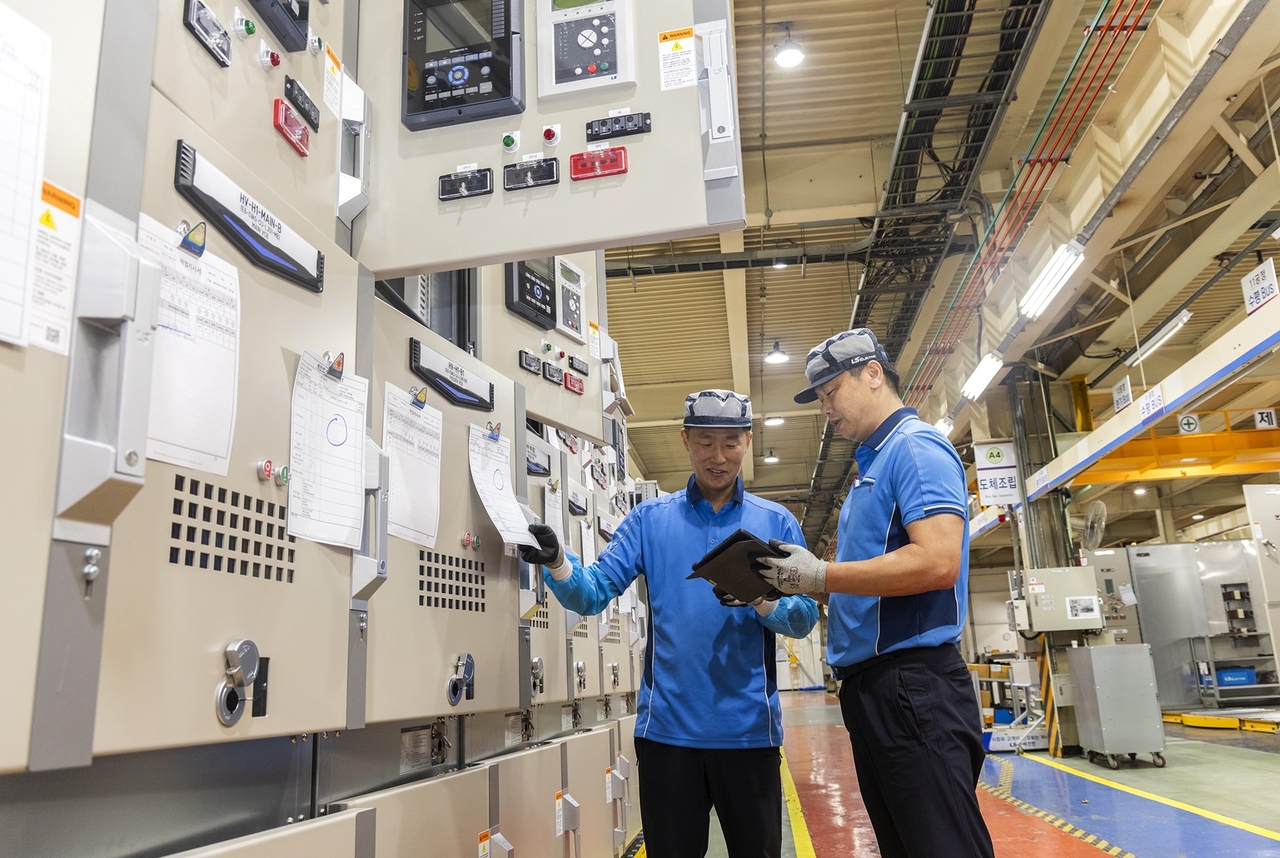
LS Electric's ability to stay profitable through those same years owes much to its distribution equipment business. Distribution equipment — the power devices that carry electricity from substations to homes and factories — generates stable cash flow because it combines retail and order-based sales. That stands in contrast to transformers, the flagship product of HD Hyundai Electric and Hyosung Heavy Industries, which are more sensitive to global demand cycles.
A diversified business portfolio has also contributed to the unbroken profit run. To guard against any slowdown in distribution equipment, LS Electric has consistently expanded into ultra-high-voltage transformers and ESS. When demand for ultra-high-voltage transformers surged — particularly in North America — the company moved aggressively to scale up production.
Last year, LS Electric invested more than 100 billion won to complete a second ultra-high-voltage transformer production building at its Busan site. The expansion lifted annual production capacity at the Busan facility from 200 billion won to 600 billion won. The bet is paying off: ultra-high-voltage transformers now account for the largest share of LS Electric's order backlog, at 3.35 trillion won — or 48 percent — of a total backlog of roughly 7 trillion won as of the end of June.
LS Electric's profit streak is expected to continue for the foreseeable future, driven by a rapid rise in demand for power infrastructure to support the proliferation of AI data centers.
The company has been landing a string of large orders on the back of that demand surge. North America data center-related orders alone have exceeded 800 billion won so far this year. In June, LS Electric signed a contract worth approximately $70.43 million to supply high-voltage power distribution systems for an AI data center construction project in North America.
LS Electric plans to sustain its growth momentum through large-scale investment, with North America — home to the world's major technology companies — as the primary focus.
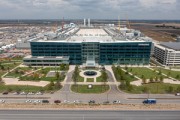
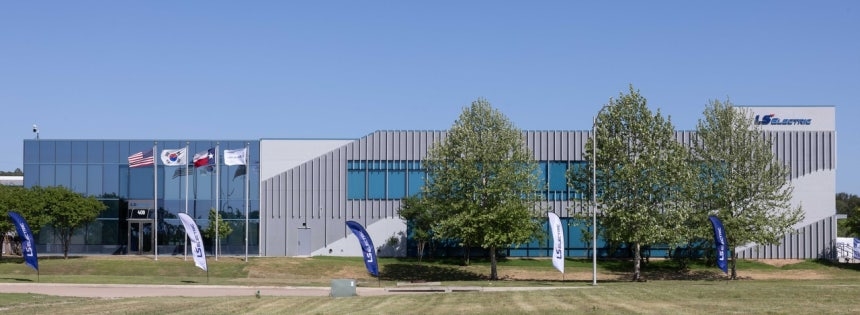
The company plans to invest 250 billion won to expand its Utah facility, a key North American production hub. Once complete, the Utah plant's switchboard production capacity will reach 500 billion won. At the Bastrop Campus in Texas, LS Electric plans to invest $240 million through 2030. The campus serves as an integrated North American base covering production, technology and service.
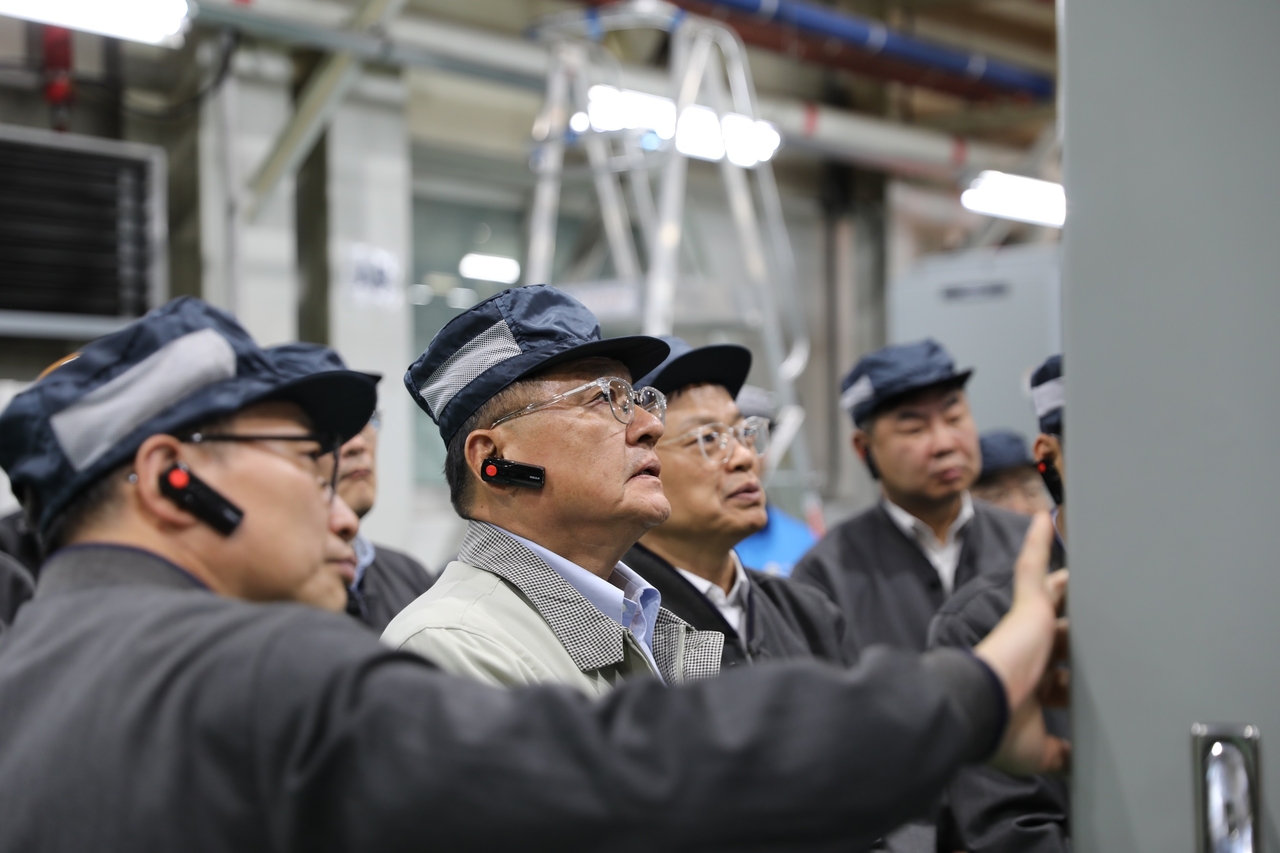
"We will lead a new era in the global power ecosystem through overwhelming technological innovation," Chairman Koo said, "and we will spare no preemptive investment to back that up."

yeongdai@heraldcorp.com