The government has begun reviewing the implementation of its cross-ministry tourism policy to strengthen inter-agency cooperation and improve execution.
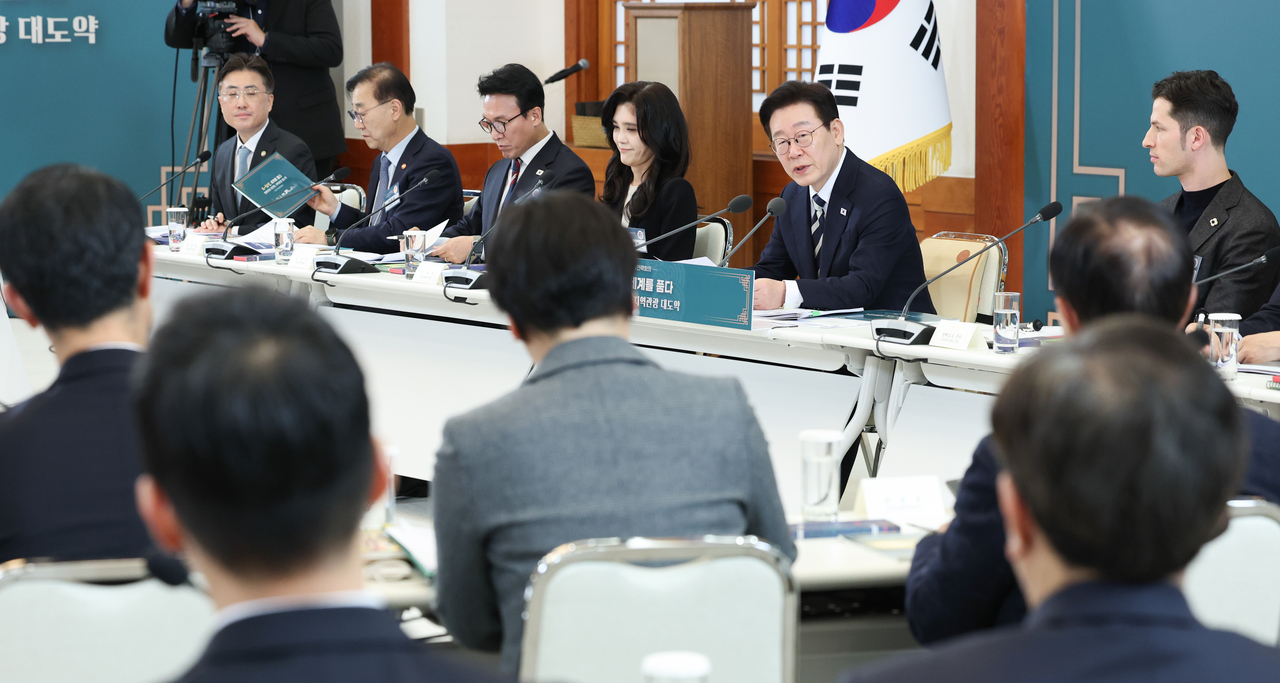
The Ministry of Culture, Sports and Tourism said Wednesday it held the "Second National Tourism Strategy Working-Level Meeting of 2026" to assess how each ministry is carrying out tasks announced at the National Tourism Strategy meeting. The session was convened to sharpen the pan-government response and deepen inter-agency collaboration on tourism policy coordination.
The government unveiled a cross-ministry plan in February titled "Great Transformation of Inbound Tourism, Great Leap in Regional Tourism." Wednesday's working-level meeting was chaired by Kang Dong-jin, the ministry's director general for tourism policy, and attended by director-level officials from 12 ministries, who reviewed progress on pan-government strategic tasks and discussed plans going forward.
Participating ministries focused on issues requiring coordination or cooperation in carrying out their assigned tasks. Discussions centered particularly on cross-ministry approaches to developing "tourism zones" anchored by regional gateway cities, as well as creating regional tourism products and marketing initiatives linked to local airports. Since the 11th National Tourism Strategy meeting, the Ministry of Culture, Sports and Tourism has formed separate consultative bodies with the Ministry of Land, Infrastructure and Transport, the Ministry of Oceans and Fisheries, and the Ministry of Interior and Safety to coordinate on priority areas including aviation and transport, cruises, and public-private governance for regional tourism.
"Tourism policy is closely intertwined with the programs and systems of many ministries, which makes coordination and alignment between policies paramount," Kang said. "We plan to rally the full policy capacity of the pan-government around the Ministry of Culture, Sports and Tourism to drive changes that visitors can feel on the ground."
terry@heraldcorp.com