![A cat eats from a food bowl. [Getty Images Bank]](https://wimg.heraldcorp.com/news/cms/2026/07/23/news-p.v1.20260723.59c3506872c448af877a471739e9adca_P1.png)
'Feeding pigeons is illegal — so why is feeding cats OK?'
Whether it is right to feed stray cats is a question that has sparked sharp disputes between neighbors, playing out in online communities and residential areas alike.
The issue resists easy moral or legal resolution, and without a clear fix, conflicts large and small continue to grow.
Amid that backdrop, a National Assembly petition calling for legislation to restrict the feeding of stray cats — dubbed the "cat-mom ban" — has secured more than 50,000 signatures, figures released Thursday showed.
![A cat on Gwanaksan. [Kim Gwang-woo]](https://wimg.heraldcorp.com/news/cms/2026/07/23/news-p.v1.20260723.0473af22c3df4fc0857cbbf5cc8a45c5_P1.png)
Under the National Assembly's public consent petition system, any petition that gathers at least 50,000 signatures within 30 days of registration is automatically referred to the relevant standing committee for review. The "cat-mom ban" petition has now met that threshold and is expected to be referred to the Assembly's Agriculture, Food, Rural Affairs, Oceans and Fisheries Committee for formal deliberation.
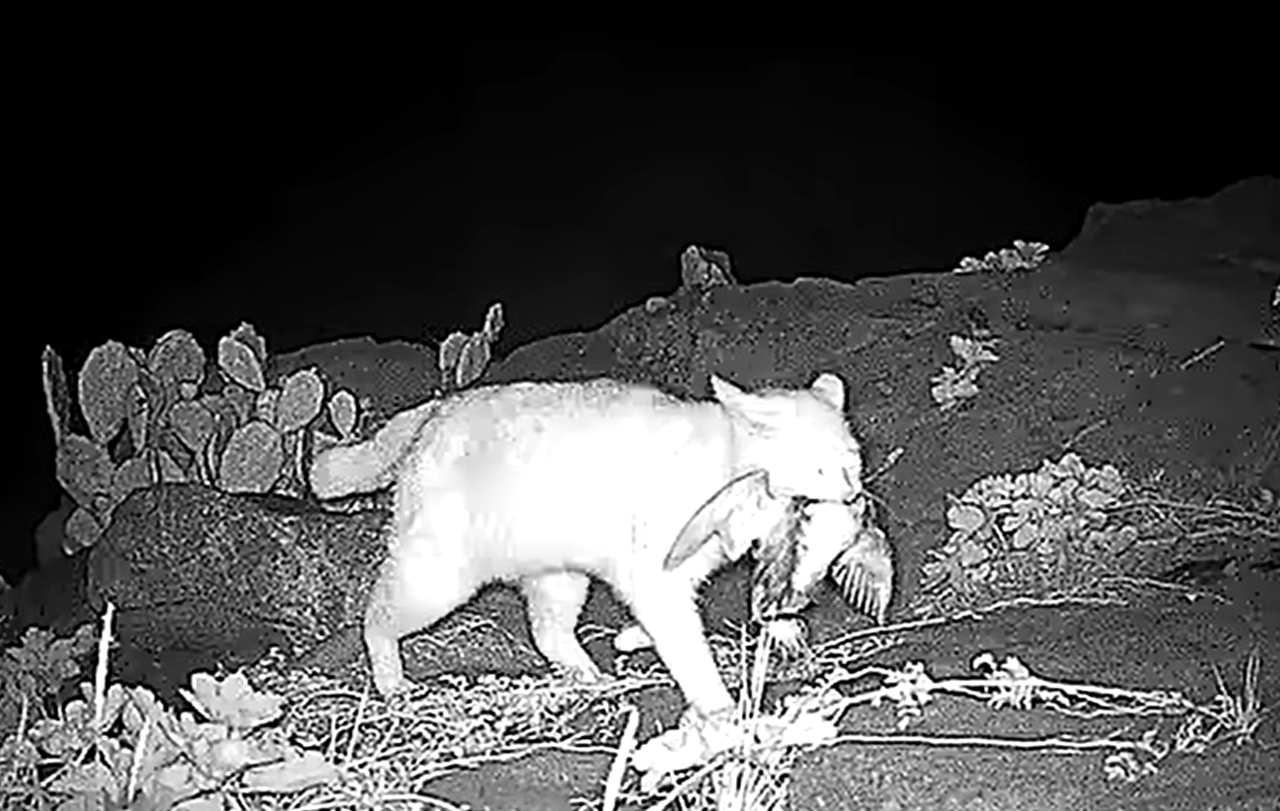
The petition drew wide attention in part because its petitioner is YouTuber "Sae Deokhu" — real name Kim Eo-jin — who has 500,000 subscribers. Kim has long used his channel to argue that stray cats' indiscriminate hunting of birds and other wildlife poses a serious threat to ecosystems, and that policy responses have fallen far short.
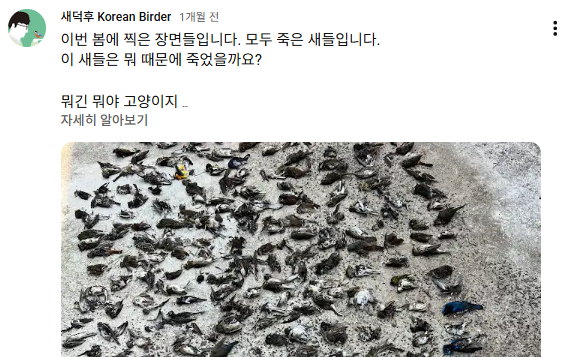
In the petition, Kim said feeding of ownerless or unidentifiable cats is taking place across many areas, and that concerns over noise, foul odors, feces, property damage, predation of wildlife and disease transmission persist.
More specifically, he said feeding ownerless cats should be prohibited without prior authorization from the managing authority or local government head on private land, common areas of apartment complexes, parks, rivers and green spaces, school and children's facility surroundings, nature parks, and wildlife protection zones.
The petition also calls for local governments to remove unauthorized feeding stations, cat shelters, food and bowls, and to impose fines of up to 1 million won ($675) when odors, pests, property damage or other harm results.
Kim also called for publicly operated municipal feeding stations to be brought under legal oversight, with existing stations that repeatedly draw complaints or fail to meet management standards subject to closure.
More fundamentally, the petition argues for a change in how stray cats are managed. Under the current system, stray cats living in urban and residential areas are excluded from the standard lost-and-abandoned animal rescue framework. They are managed primarily through trap-neuter-return, or TNR — caught, sterilized and released back to their original location — with the aim of reducing the population by preventing reproduction.
![A cat. [Getty Images Bank]](https://wimg.heraldcorp.com/news/cms/2026/07/23/news-p.v1.20260723.6c8683dafade4baa8df016c017898654_P1.jpg)
Kim, however, argued that combining continuous feeding with release could sustain outdoor cat populations indefinitely. He called for stray cats to be treated like dogs and other animals — captured, checked for identification microchips, and entered into the standard process of owner notification, return, adoption or sheltering.
The petition also states that cats whose holding period expires should be processed under the same legal procedures that apply to other lost or abandoned animals. Under current practice, animals not reunited with their owners are euthanized under the designation of "humane processing."
However, Kim made clear that the petition is not rooted in hostility toward or emotional aversion to cats.
![A cat. [Getty Images Bank]](https://wimg.heraldcorp.com/news/cms/2026/07/23/news-p.v1.20260723.5c5cebf18836480cb2419670aeb04b1a_P1.png)
"On the contrary," Kim said, "this petition is grounded in the recognition that the current structure — which leaves ownerless cats to breed and survive outdoors, and sustains their population through unauthorized feeding and release — is harmful to animal welfare, residents' living environment, public health and ecosystem conservation alike."
Meanwhile, as the petition spread, a counter-petition opposing restrictions on cat feeding emerged. Launched July 16, the petition titled "Opposition to Restrictions on Feeding Ownerless Cats and a Call for a Humane Management System" had surpassed 52,000 signatures as of 3 p.m. Thursday, also clearing the threshold for formal Assembly review.
![A cat. [Getty Images Bank]](https://wimg.heraldcorp.com/news/cms/2026/07/23/news-p.v1.20260723.2e54a973c57f4bb98943e52ee6a9c5da_P1.jpg)
Those on the opposing side agreed that feeding practices that leave food and bowls unattended — causing odors, pests and trespassing on private property — should be regulated. But they drew a line between indiscriminate food dumping and what they called "managed feeding": providing appropriate amounts at set times, collecting food and bowls afterward, and connecting the cats to neutering and treatment.
They also argued that an abrupt ban on feeding would not make cats disappear from an area. Cats unable to find food would rummage through garbage or move to other residential areas, they said, simply shifting problems such as waste damage, traffic accidents and neighbor disputes to new locations.
![Cats rescued from a cat slaughterhouse in Vietnam. [Humane World for Animals]](https://wimg.heraldcorp.com/news/cms/2026/07/23/news-p.v1.20260703.4e52078818784ab0ac964789c0764c58_P1.png)
The counter-petition also opposed blanket placement of stray cats into shelters. Mass capture of healthy adult cats with little human contact and poor adaptability to indoor life, they argued, would lead to shelter overcrowding, infectious disease outbreaks, prolonged confinement and stalled adoptions.
Expanding captures before shelters have the capacity and adoption infrastructure in place would particularly risk driving up euthanasia rates, the counter-petitioners warned.
"We petition the National Assembly to exercise caution in amending the Animal Protection Act in ways that would impose a blanket ban on feeding ownerless cats or mandate their uniform capture and confinement," the counter-petition stated. "We ask that you establish a humane and sustainable management system that can genuinely reduce conflict and population numbers — not the fastest method of eliminating lives."

woo@heraldcorp.com