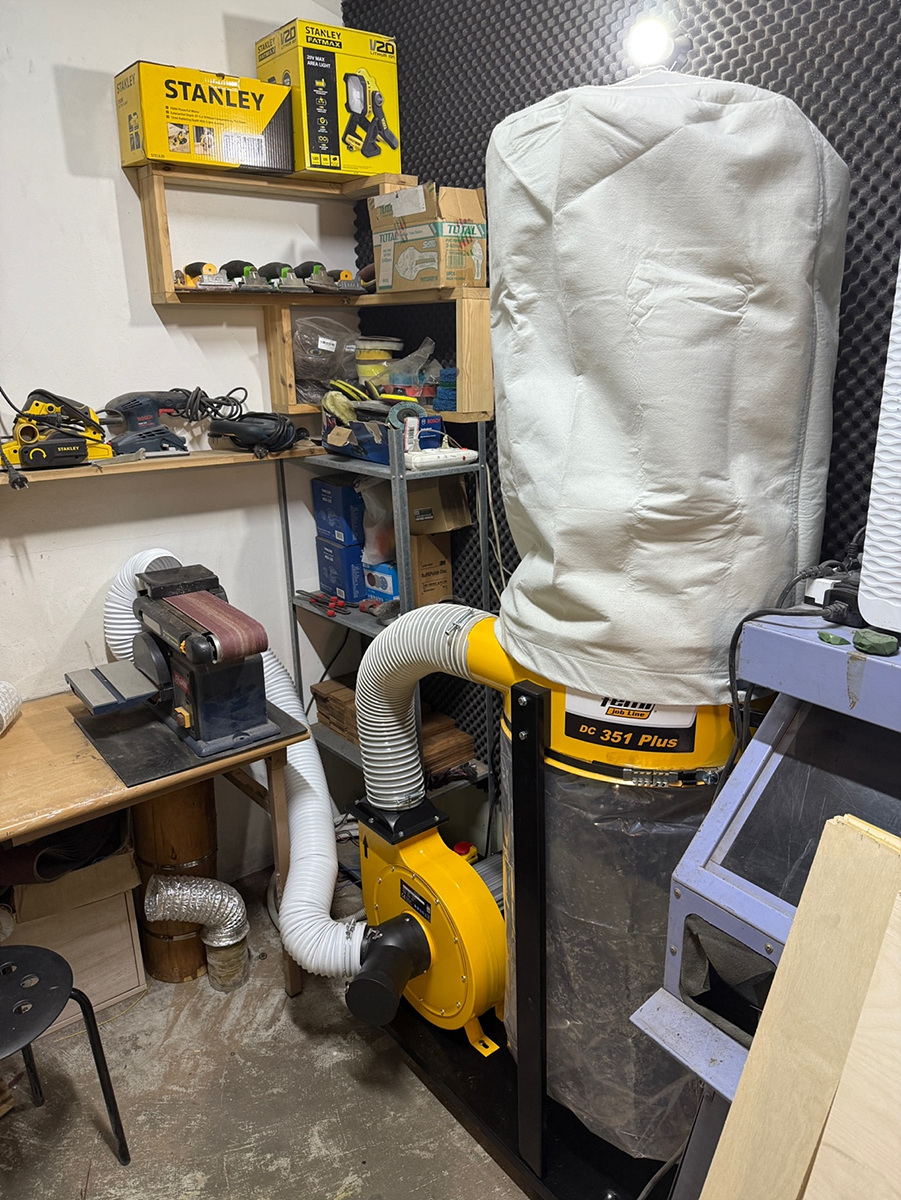
Yangcheon-gu announced it is moving forward with a working environment improvement support project for small urban manufacturers, aimed at upgrading labor conditions and protecting the health and safety of workers at local small-scale factories.
The project was designed to reduce workplace hazards — including dust, noise and harmful substances — and prevent safety accidents such as fires. It also seeks to raise productivity and competitiveness by upgrading aging work facilities and production equipment.
Eligible businesses are urban micro-manufacturers with fewer than 10 full-time employees operating within Yangcheon-gu, covering five manufacturing sectors: garment sewing, machinery and metals, printing, jewelry and handmade footwear.
The district selected five companies through an open recruitment process in April. All five are garment-sewing businesses, the sector that accounts for the largest share — 51 percent — of the five major urban manufacturing industries in the district.
Each selected company can receive up to 7.2 million won ($4,880), with participating firms required to cover only 10 percent of the total project cost. Support covers 34 types of equipment across three categories: hazard elimination, working environment improvement and operational efficiency enhancement.
Priority goes to essential safety equipment, particularly fire extinguishers, fire detectors, circuit breakers and industrial ventilation fans. The district completed on-site assessments and expert consultations for all five companies this month and finalized the specific equipment for each workplace — including air conditioners, circulation boilers and air purifiers — based on individual site conditions.
Beyond physical upgrades, the project pairs facility improvements with on-site consulting and training to build each company's capacity for independent safety management. A specialized safety management agency visited each workplace to conduct one-on-one customized consulting, including practical training on the 3S principles — right product, right quantity, right location — and the 5S methodology of sort, set in order, shine, standardize and sustain.
Follow-up management will continue for three years after support is completed to ensure the equipment remains in use and improvements are sustained. The district plans to conduct one to two on-site inspections per year to assess equipment operation, maintenance and the overall effect on working conditions, with technical advice from specialist firms available when needed.
Over the past three years, the district provided a total of 134.11 million won in support to 17 companies — 16 garment-sewing firms and one machinery and metals business — to improve aging facilities and working environments.
The district also opened a small manufacturers support center for bag makers in Sinwol-dong in 2022 to strengthen the commercial competitiveness of the country's largest bag-manufacturing cluster, home to more than 150 bag producers, and to support a stable production base for micro-manufacturers. The center has since run a range of capacity-building programs, including sewing equipment training and one-day classes.
"Urban manufacturers are a vital foundation supporting the local economy, but many struggle to improve their working environments due to the constraints of small-scale operations," said Yangcheon-gu District Mayor Lee Gi-jae. "We will continue to strengthen on-site equipment support and safety management so that workers can do their jobs with peace of mind and businesses can build the competitive manufacturing environment they need."
seouldream01@heraldcorp.com