
Police agency: supplementary investigation requests sufficient in Jang case
Prosecutors' emergency request, referral powers offered as alternatives
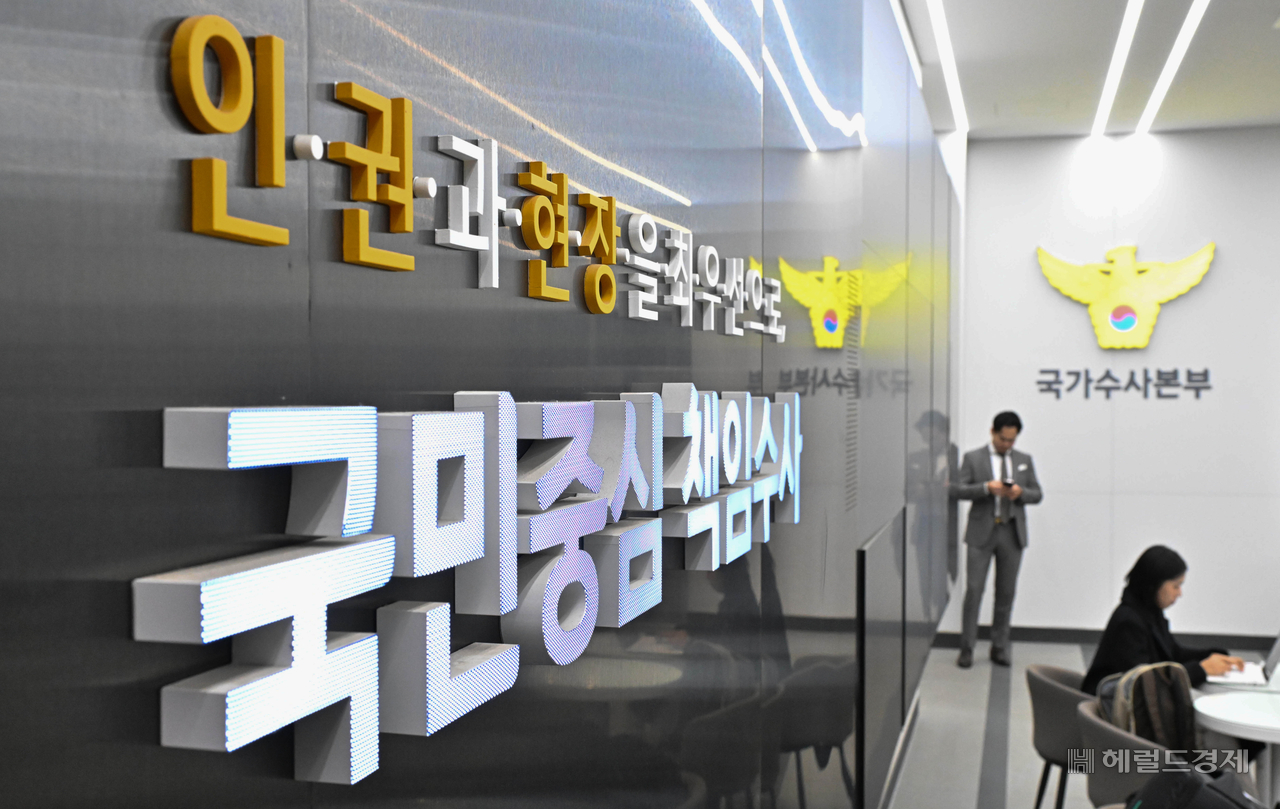
The Korean National Police Agency has told the National Assembly that the Jang Yun-gi case is "unrelated to the need for supplementary investigations" and stems from the misconduct of individual officers. The agency said it detected evidence that the police investigation team handling the case had destroyed evidence and launched an internal probe, calling the episode "a case that actually demonstrates the police's capacity for self-correction."
At a closed-door session of the National Assembly's Legislation and Judiciary Committee's first legislative review subcommittee on Thursday, the agency argued that the Jang Yun-gi case could be resolved through police investigations and supplementary investigation requests alone, without prosecutors conducting their own supplementary investigations.
On the question of why police forwarded the case to prosecutors as a simple homicide rather than rape-murder, the agency said investigators had been pressed for time due to the detention deadline. It added that, had prosecutors issued a supplementary investigation request, police could have submitted additional charges related to Jang's attempted sexual assault.
In a report submitted to the National Assembly ahead of the committee session, the agency said that even if Jang's father were found guilty of evidence destruction, it "would constitute individual misconduct" and was "unrelated to the need for supplementary investigations." It said the investigation team's own detection of the suspected evidence tampering — including the failure to seize cable ties — and its decision to launch an internal probe and audit "rather demonstrate the police's capacity for self-correction."
Responding to criticism that prosecutors had secured key evidence through supplementary investigations that police had missed during searches of Jang's home and vehicle, the agency acknowledged shortcomings but maintained that a supplementary investigation request could have enabled a re-search. It also said the omission of charges related to Jang's alleged sexual-crime motive was "a matter that could have been addressed through a supplementary investigation request."
On the finding — confirmed through prosecutors' supplementary investigation — that Jang's father, a local police commander identified by his surname Jang, had concealed evidence of the crime, the agency said police had judged the connection to be weak because Jang Yun-gi rarely contacted his father. It added that a supplementary investigation request could have enabled a search of the father's residence.
The agency also proposed alternatives that it said could strengthen prosecutorial oversight of police investigations without preserving the current supplementary investigation regime.
On concerns that cases subject to supplementary investigation requests face processing delays, the agency said the issue could be resolved through an "emergency supplementary investigation request" mechanism. It proposed amending the Criminal Procedure Act to allow prosecutors to set their own deadlines when issuing supplementary investigation requests, noting that police would be obligated to complete the investigation within whatever timeframe prosecutors specified, even if extremely short.
The agency also proposed amending the Criminal Procedure Act to create a new provision allowing prosecutors to refer cases to police for investigation when they discover new criminal charges while reviewing a forwarded case. It said that if a separate legal basis for such referrals was deemed necessary, a new provision could be added to make the arrangement explicit.
The agency also floated plans to diversify communication channels between police and prosecutors — including establishing a direct messaging system — to promote closer coordination between the two institutions.
The agency said it plans to strengthen investigative capabilities to uncover the full truth of the case and introduce institutional reforms to prevent collusion, noting that Jang had admitted to rape-murder during trial proceedings and that the lead investigator had been detained on charges of evidence destruction.
Prosecutors had earlier revealed through supplementary investigations that police found a damaged sex doll — a key piece of evidence — at Jang's home but failed to seize it. Police were also found to have searched Jang's vehicle without securing cable ties and a dashcam storage device as evidence. It later emerged that police had forwarded the case to prosecutors without including investigative records that could have supported evidence of Jang's sexual-crime intent, such as DNA analysis results obtained from the sex doll. Allegations also surfaced that investigative information had been leaked to Jang's father, Inspector Jang, during the police investigation and that the vehicle used in the crime had been returned to the family.
The agency has established a special investigation unit within the National Investigation Headquarters to probe whether the officers who handled the Jang Yun-gi case downplayed the crime and participated in destroying evidence.
Minister of Interior and Safety Yun Ho-jung issued a public apology on Thursday over allegations that police had suppressed the investigation into the Jang case, vowing to "boldly cut out the rotten parts within the police." Yun said the lead investigator had been detained on charges of evidence destruction and that signs of deliberate collusion and preferential treatment by the investigation team were "coming to light one by one," adding that he would ensure "not a single corrupt officer has a place to stand within the police."
arin@heraldcorp.com




