Rep. Lee Sang-sik introduces Police Act amendment Thursday
Bill requires chiefs to respect panel rulings
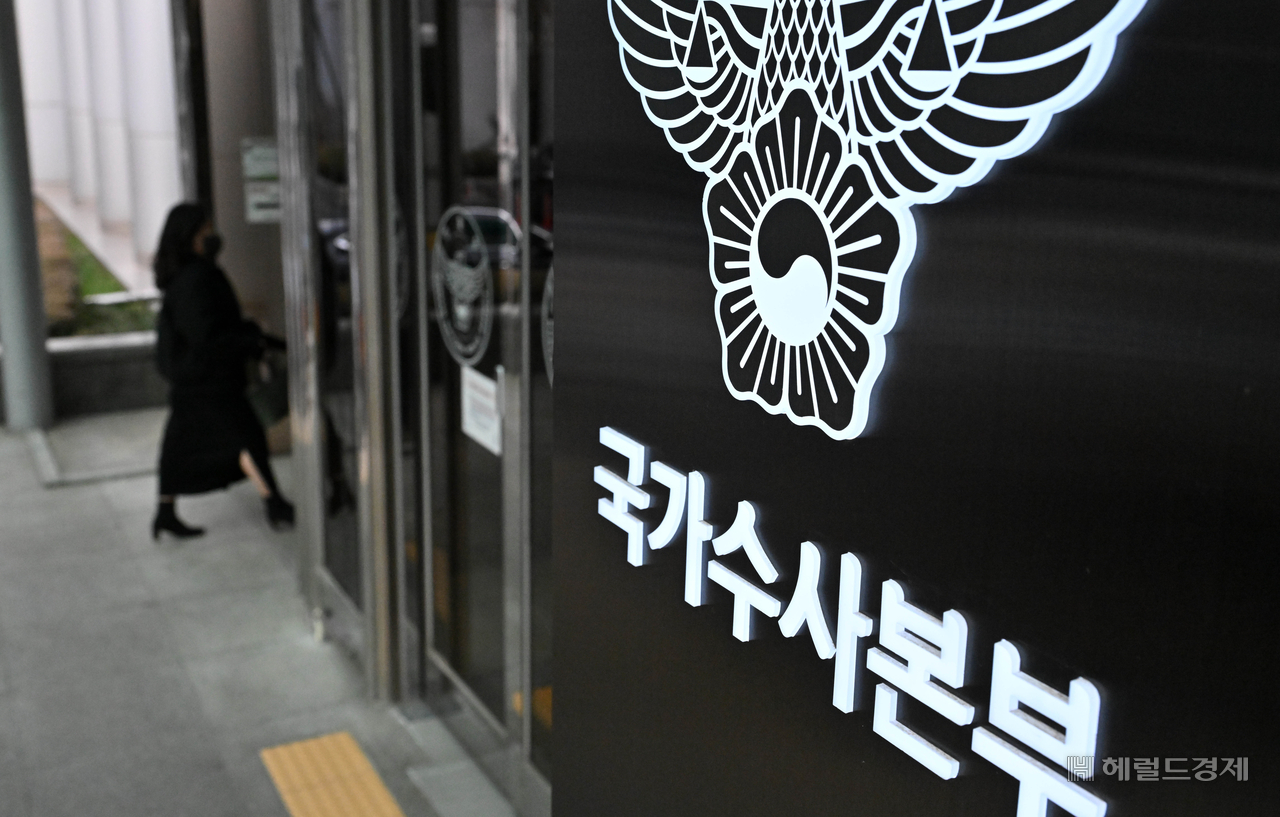
Lawmakers are pushing to elevate police investigation review committees into statutory bodies and strengthen external oversight of police investigations, allowing parties to a case to formally challenge the conduct or outcome of a probe.
Rep. Lee Sang-sik of the Democratic Party of Korea, a member of the National Assembly's Interior and Safety Committee, on Thursday introduced a bill to mandate the establishment of police investigation review committees under the Act on the Organization and Operation of the National Police and Autonomous Police. The bill would require the National Investigation Headquarters and each provincial and metropolitan police agency to set up such a committee, and would oblige the head of the National Investigation Headquarters and each agency chief to respect the committees' deliberative rulings.
Under the bill, parties to a case who believe there are problems with the appropriateness or legality of a police investigation may apply to the relevant police authority for a review.
The committees would be composed of outside experts in the legal system and police investigations to ensure their neutrality. The National Investigation Headquarters committee would operate with 20 to 30 members, appointed by the commissioner general of the Korean National Police Agency on the recommendation of the head of the National Investigation Headquarters. Provincial and metropolitan police agency committees, which carry heavier caseloads, could have between 50 and 200 outside members, appointed by each agency chief.
For provincial and metropolitan agency committees, 15 members would be selected by random draw from the full roster each time a meeting is convened, and a chairperson would be chosen from among those 15. Meetings would in principle be closed to the public, but the committee could vote to disclose its findings when it determines that doing so serves the public interest, including the public's right to information.
In the bill's explanatory note, Lee wrote that while investigation review committees already operate at police agencies as citizen-led external oversight bodies, "their basis remains in internal police agency rules, making it difficult to sufficiently guarantee the committees' independence, neutrality and operational stability."
The ruling party and government have been discussing expanding the role of investigation review committees as a check on police investigative powers, following the 2021 redistribution of investigative authority between prosecutors and police and ahead of the planned abolition of the Prosecution Service in October, which will further broaden police responsibility and authority. Earlier, Minister of Interior and Safety Yun Ho-jung, responding to questions in the National Assembly on April 3, said concerns about the abuse of police investigative powers called for "strengthening the role of the police investigation review committee and improving the system to allow external oversight and reform of the investigative command structure."
A police official said the bill was welcome, adding that "if the law requires that the committee's rulings be respected, it is expected to serve as a mechanism for enhancing the objectivity and credibility of police investigation outcomes."
Lee said "the most important thing in a system of police-led investigation is public trust in the outcomes and the substantive operation of an objective oversight body to guarantee it," adding that "enshrining the review committee in law will create an opportunity to raise public acceptance of investigation outcomes by ensuring that ongoing, expert external monitoring and control of police investigations is carried out on a regular basis."
arin@heraldcorp.com