The Ministry of National Defense told a parliamentary investigation that only one incident involving absentee voting by military personnel occurred during the June 3 local elections — but a subsequent internal review found 39 such cases.
According to documents obtained Tuesday through the office of Rep. Kim Eun-hye of the People Power Party, the Defense Ministry's branch-by-branch report on "similar incidents during the 9th nationwide simultaneous local elections" shows that problems recurred at every stage — from application to ballot management — including absentee voting registrations rejected due to address errors and registration forms lost in the mail.
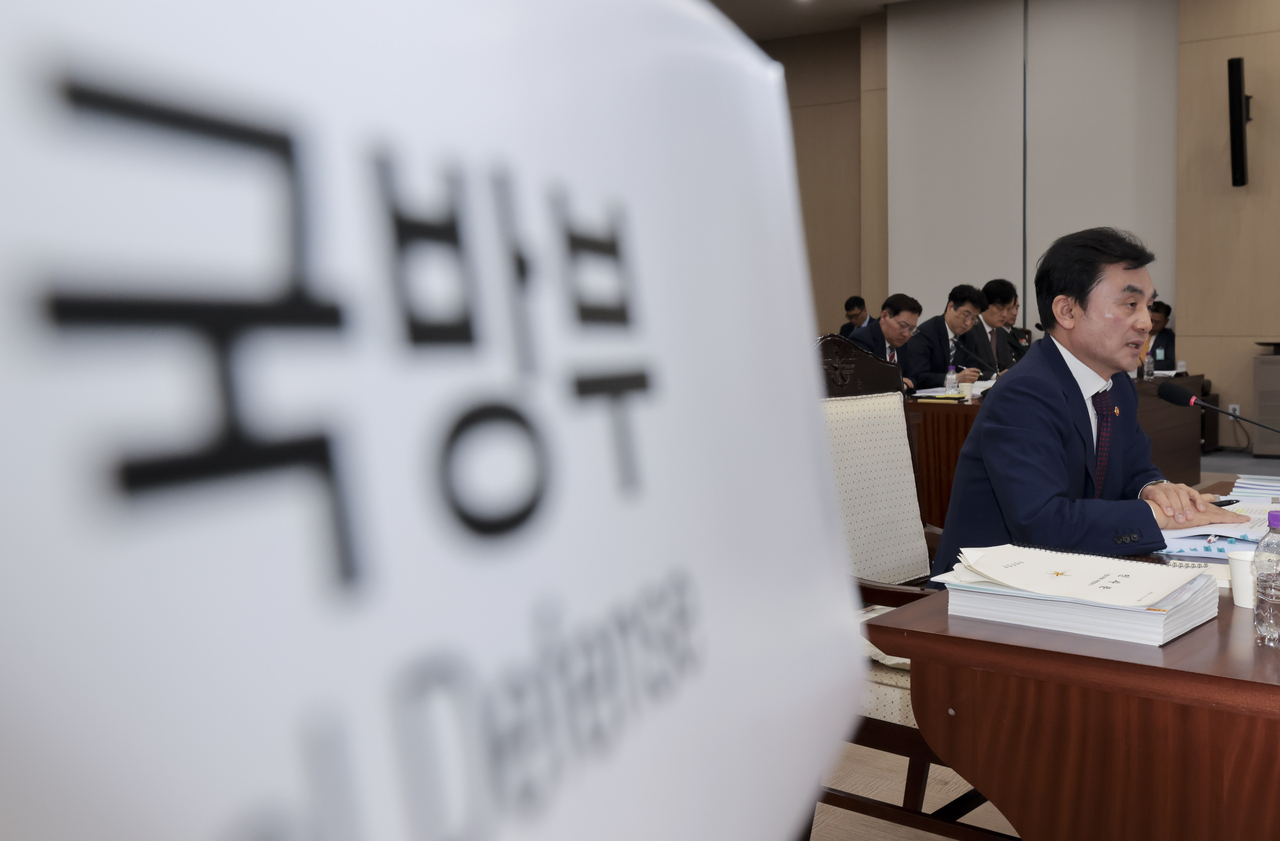
At a second agency briefing of the National Election Commission's special parliamentary investigation committee on July 1, the Defense Ministry said the only voting-related incident within the military was a double-voting case at a general outpost unit of the Army's 15th Division, which had been previously reported. A full internal review conducted afterward, however, revealed a total of 39 absentee voting incidents.
At least one service member ultimately gave up voting because of a registration form delivery failure. An officer assigned to the Navy's 1st Fleet sent an absentee voting registration form through a military post office, but the local community service center said the form never arrived. The registration period had already closed by then, and the unit advised the officer that early voting or Election Day voting remained available — but the officer ultimately chose not to vote, citing personal reasons.
Address errors were the most common problem among the 39 cases. In the Army's 1st Corps, 13 soldiers had their applications rejected after writing incorrect addresses on their absentee voting registration forms. In the Marine Corps' 2nd Division, 10 service members were excluded from absentee voting eligibility due to similar address errors.
In the Navy's 2nd Fleet, seven soldiers who did not receive ballots because of address errors cast their votes through early voting or on Election Day. Most were ultimately able to exercise their right to vote, but the same type of incident repeated itself across multiple units.
In response, the Defense Ministry conducted a week-long survey of voting rights violations among enlisted soldiers and junior officers beginning July 6.
To prevent a recurrence, the ministry plans to expand absentee voting procedure training — previously limited to election affairs personnel — to all service members. It will also assign experienced election staff from higher commands to remote postings such as general outposts and forward observation posts, and will operate an anonymous online reporting board throughout election periods to help prevent and respond to voting rights violations.
Rep. Kim, who raised the issue during the parliamentary investigation, said systemic reform is needed "so that soldiers' political rights are never again violated by poor military election management."
thanks@heraldcorp.com