
Cancellations of pension savings insurance policies have jumped more than 60 percent from a year earlier, with total surrender payouts exceeding 1.7 trillion won ($1.13 billion).
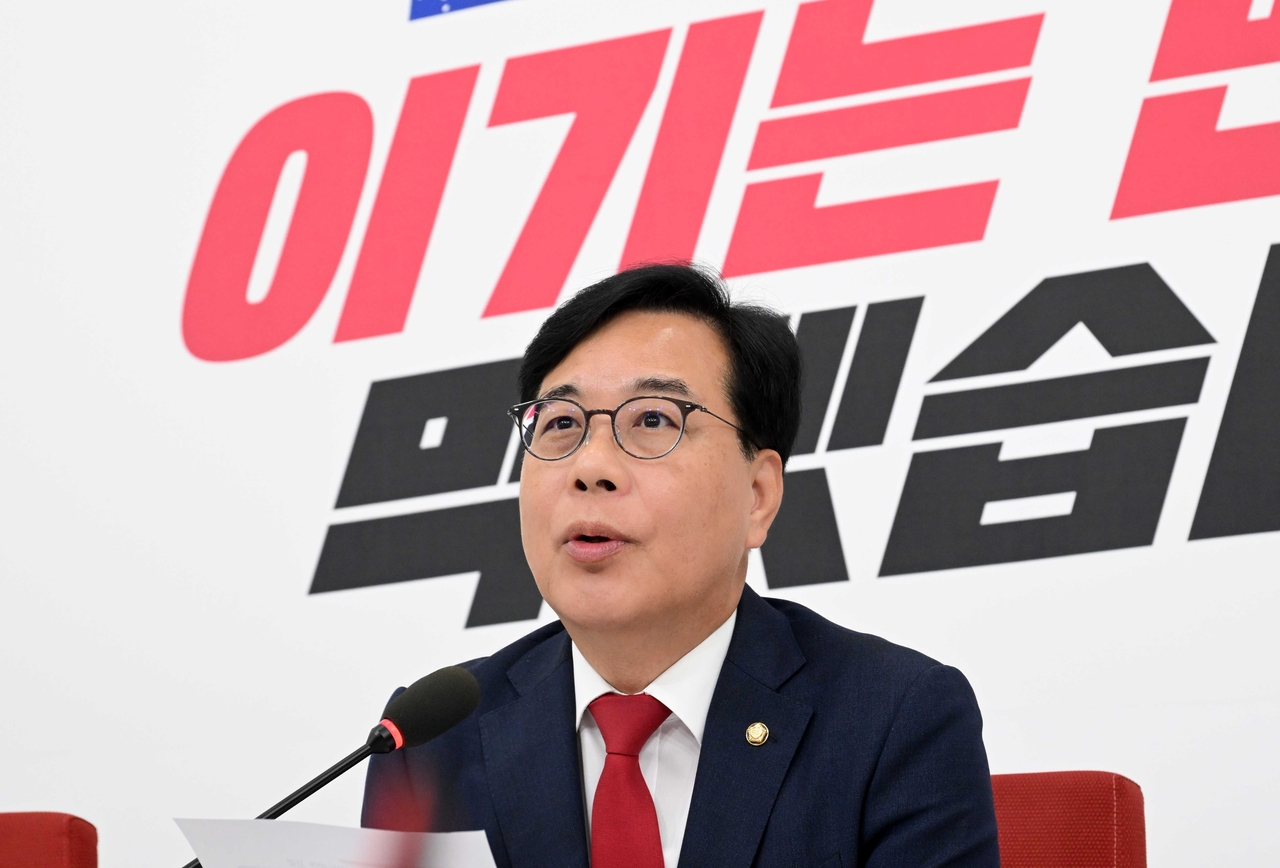
Data that People Power Party lawmaker Song Eon-seog obtained Tuesday from the Financial Supervisory Service and the Korea Securities Depository showed that pension savings insurance cancellations from January through May reached 72,477 — up 62.7 percent from 44,554 in the same period last year. Total surrender payouts over the same period rose 54.8 percent to 1.74 trillion won, from 1.13 trillion won a year earlier.
Fund redemptions also surged in the January–May period. Total redemptions reached about 1.81 million cases, up 47.3 percent from about 1.23 million in the same period last year. The total redemption value soared 146.1 percent to about 2,786 trillion won from about 1,132 trillion won a year earlier.
Analysts say the trend reflects a broad shift of retirement savings and fund assets into the stock market, driven by expectations of a continued equity rally. Kospi market capitalization has grown sharply — from 2,039.96 trillion won in May 2023 to 2,151 trillion won in May 2024, 2,210.64 trillion won in May 2025, and 6,933.14 trillion won in May 2026. The number of individual Kospi investors and their total investment also expanded, rising from about 12.34 million people and 505.17 trillion won in 2023 to about 12.49 million people and 700.84 trillion won in 2025.
Market anxiety has grown as the Kospi has shown sharp volatility, driven by the launch of single-stock leveraged ETFs and increased foreign selling amid a high exchange rate. Of the 13 circuit breakers ever triggered in the market's history, seven were activated in the first half of this year alone. Sidecar mechanisms were triggered 35 times on the Kospi — 17 on the buy side and 18 on the sell side — and 18 times on the Kosdaq, with 11 buy-side and seven sell-side activations.
Opposition figures have argued that despite the market's decline and volatility, the Lee Jae Myung administration and the ruling party have deepened market confusion and distortion — through measures such as a forced suspension of the national pension fund's rebalancing and the introduction of a stock-holding tax bill — rather than building investor confidence and stabilizing capital markets. The head of the Financial Supervisory Service said after single-stock leveraged ETFs were launched and volatility spiked that he should have done "whatever it took, even lying down in the road," to block them.
"Due to the Lee Jae Myung administration's stock market cheerleading, many citizens have recently canceled their pension savings insurance and redeemed their funds to jump directly into the stock market — but the market has grown more volatile, putting even their retirement security at risk," Song said. "Rather than fixating on short-term market stimulus, the government must create a stable investment environment through consistent policies that markets can trust," he added.
mp1256@heraldcorp.com




