"Raising cigarette prices might be the only way to cut the litter."
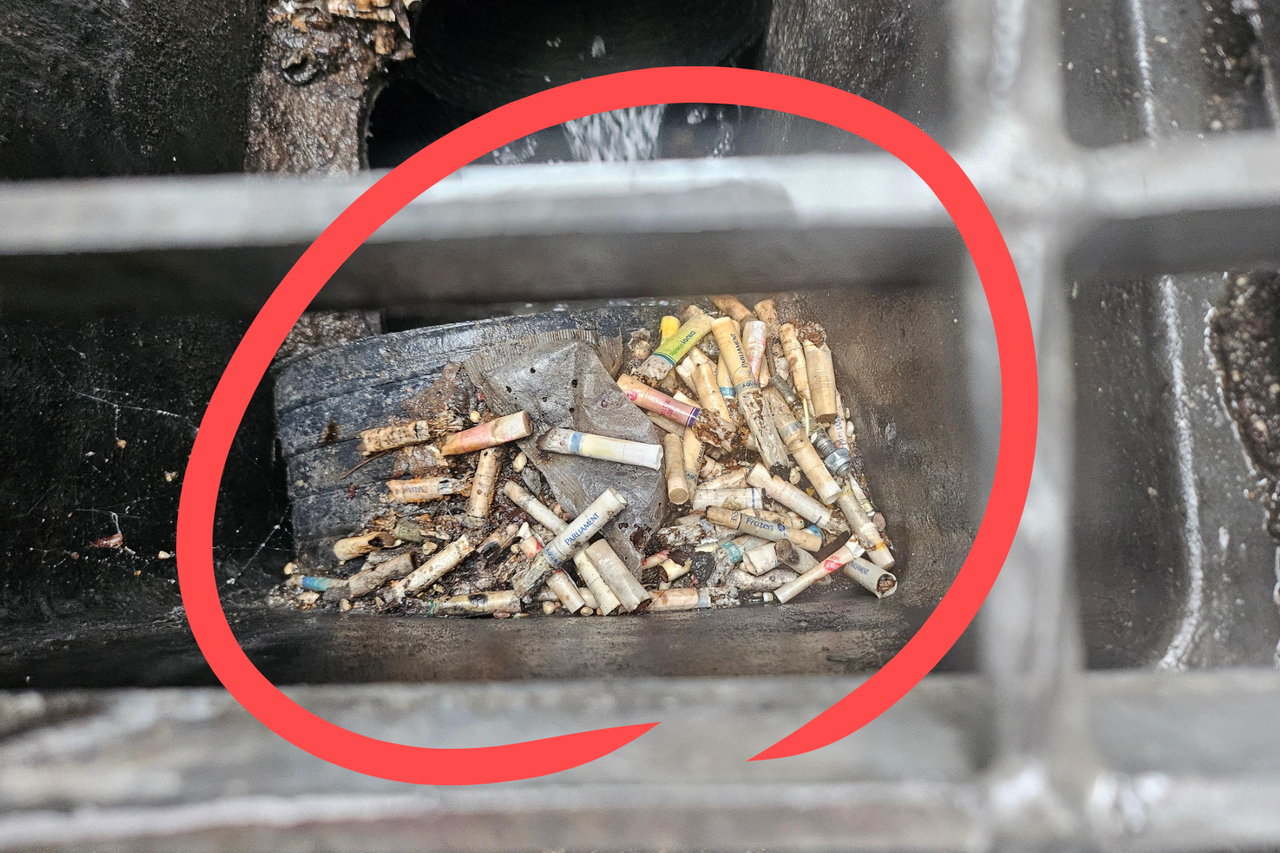
A convenience store owner surnamed A in Gwangjin-gu, Seoul, has cleaned the storm drain in front of his shop every day since learning through news coverage after the 2022 Gangnam flooding that cigarette butts can worsen flood risk.
The problem is that no matter how often he cleans, the litter keeps piling up. He has posted signs asking passersby not to throw butts into the drain, but the volume of cigarette butts dropped on the ground shows no sign of letting up.
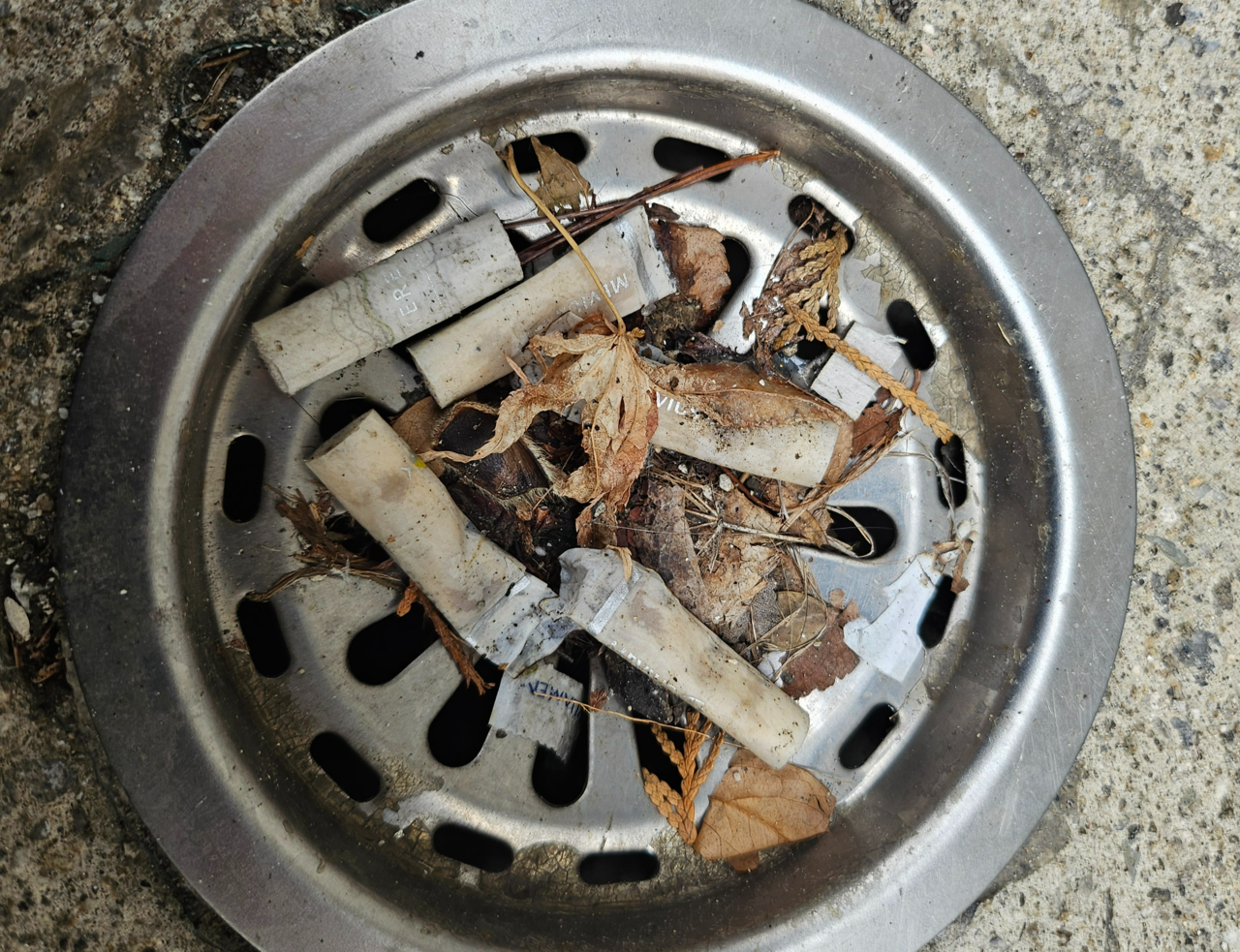
"We sell cigarettes ourselves, so we feel a sense of responsibility to clean up — but it has gotten out of hand," A said. "At least when butts are dropped on the ground they're easy to sweep up, but many people toss them into the gaps of the drain cover, which makes it really hard."
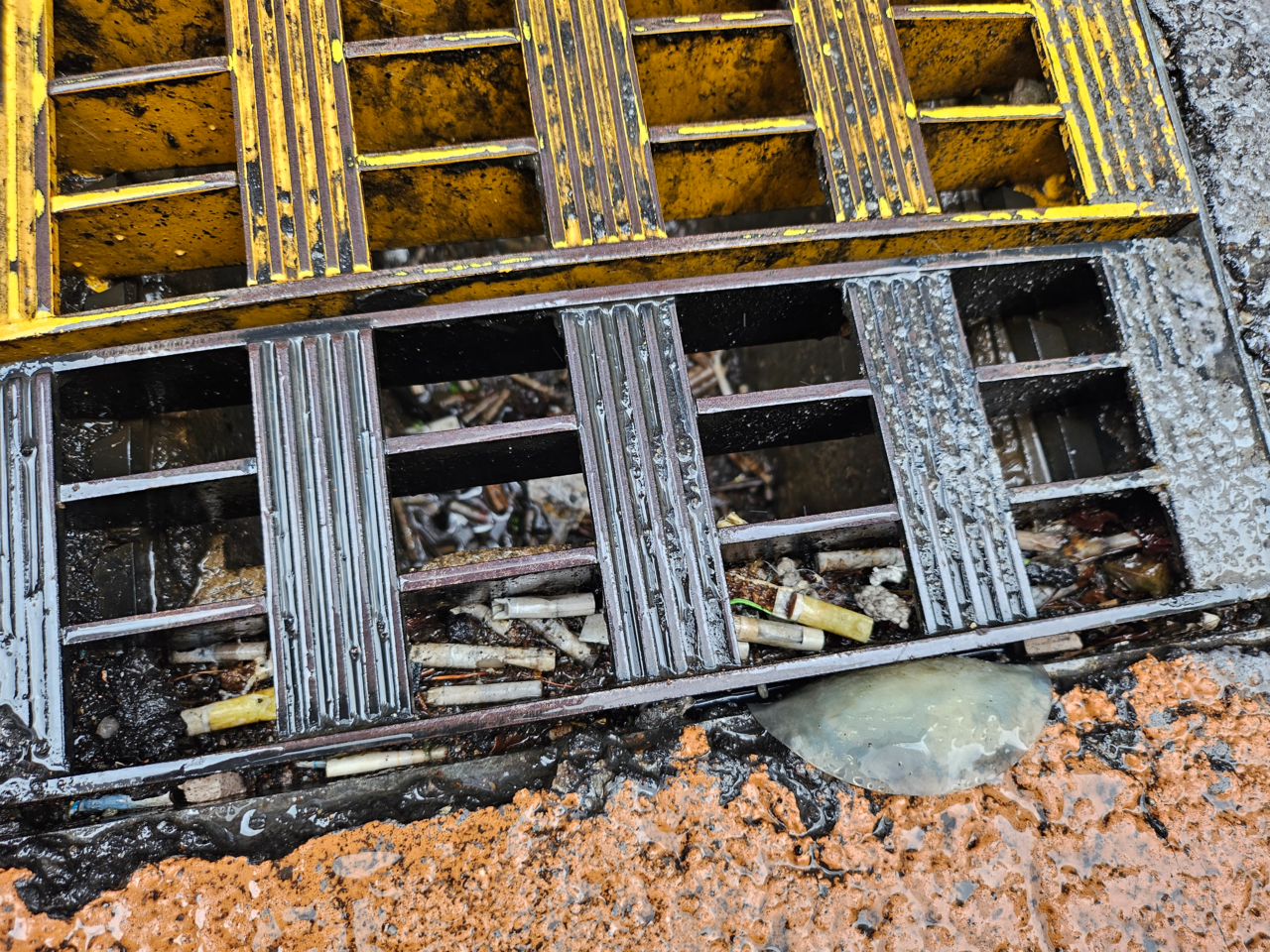
An estimated 12 million cigarette butts are discarded on streets across South Korea every single day. Over a full year, that adds up to about 4.5 billion butts thrown away indiscriminately — with the waste estimated to weigh around 1,000 metric tons.
The problem goes well beyond aesthetics. During the current monsoon season, cigarette butts accumulating in storm drains act as a key driver of urban flooding by blocking drain inlets and preventing water from flowing through.
The consequences of clogged drains have grown more severe of late, as climate change reshapes monsoon rainfall patterns. In the past, the rainy season brought steady, prolonged precipitation spread over weeks. Now, intense localized downpours — large amounts of rain falling in a very short time — have become the dominant pattern.
Last year's monsoon season was short but concentrated. Some areas recorded more than 100 millimeters of rain per hour, and parts of the southern region, including Gwangju, received hundreds of millimeters in a single day, causing roads to flood almost instantly.
![Residents watch the rising water level of Dorimcheon stream near Daelim Station on the Seoul subway on Thursday, after a flood advisory was issued following a localized downpour. [Yonhap]](https://wimg.heraldcorp.com/news/cms/2026/07/09/rcv.YNA.20260709.PYH2026070915230001300_P1.jpg)
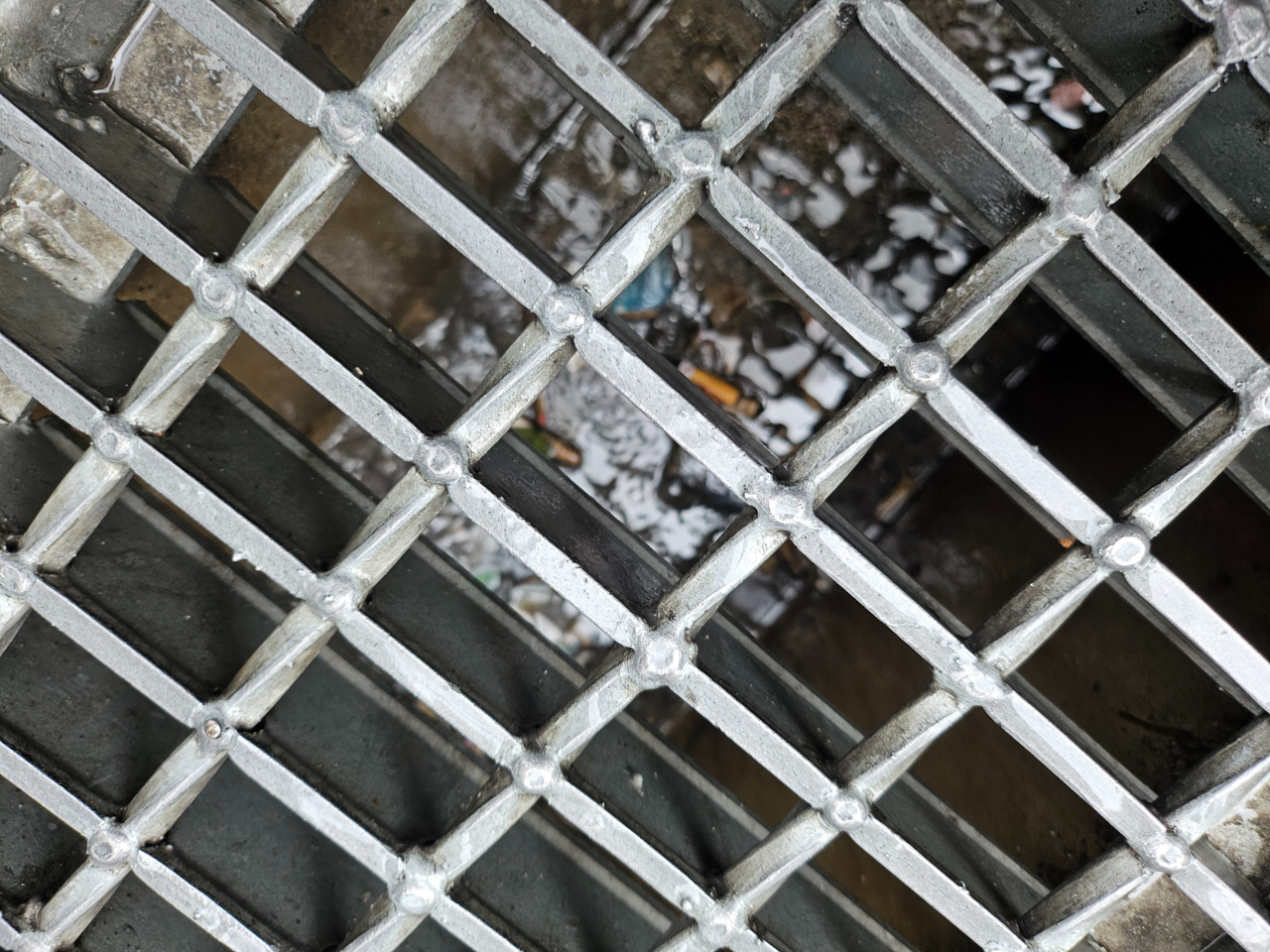
The harder the rain falls, the more critical storm drains become — they channel rainwater into the sewer system and serve as the first line of defense against flooding. But when drains are blocked by cigarette butts and other debris, their effectiveness drops sharply.
A policy research report published last year by the Seoul Institute found that the leading causes of drain blockage are foreign matter such as fallen leaves, general trash and cigarette butts. Drainage efficiency declined significantly depending on how much of the drain inlet debris covered. When blockage reached 90 percent, the effective inflow area was so restricted that water flow slowed dramatically.
In May 2024, a severe downpour in Dangjin, South Chungcheong Province, caused drains clogged with debris to back up, sending brown floodwater surging onto roads and triggering widespread inundation. Cigarette butts were also identified as one of the key contributing factors in the 2023 Gangnam flooding in Seoul.
In response, the central government and local authorities have been stepping up storm drain maintenance ahead of the monsoon season. The Seoul Metropolitan Government announced it would commit 81.2 billion won ($53.8 million) to intensive maintenance of sewer lines and storm drains in preparation for heavy rain, including a full cleaning of all 575,833 drain inlets across the city.
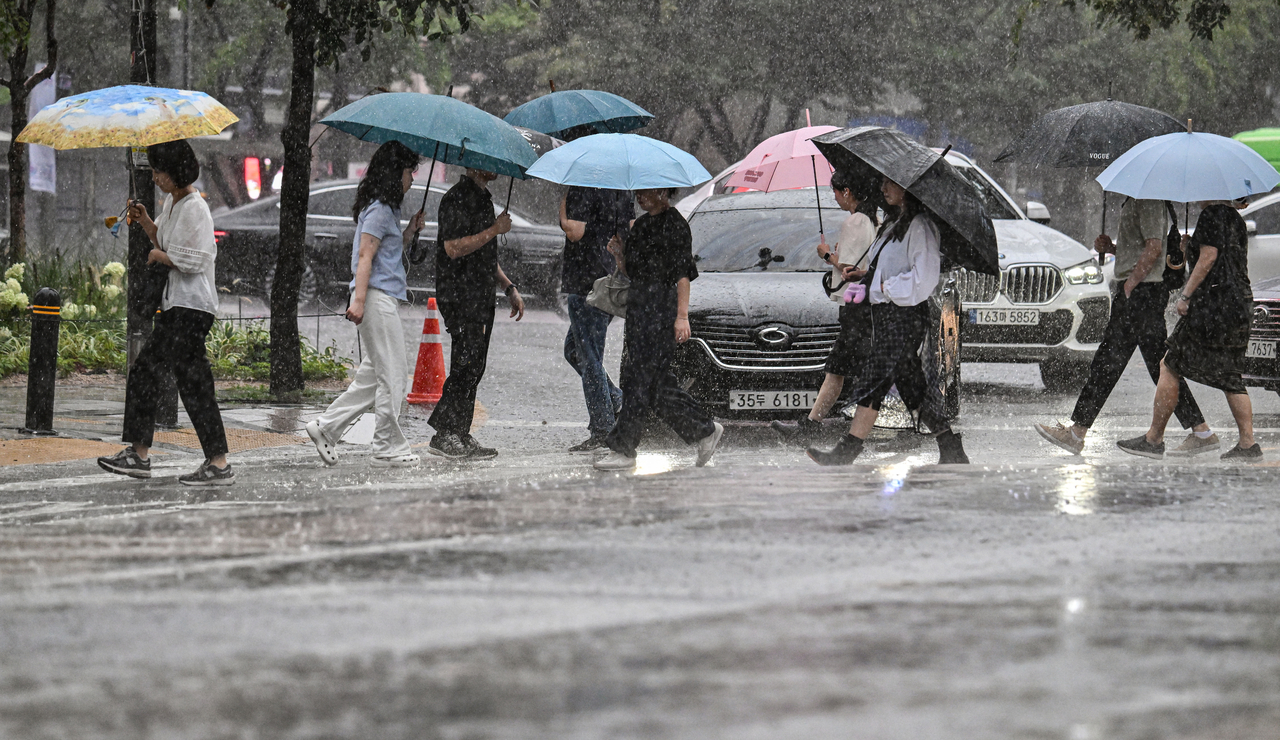
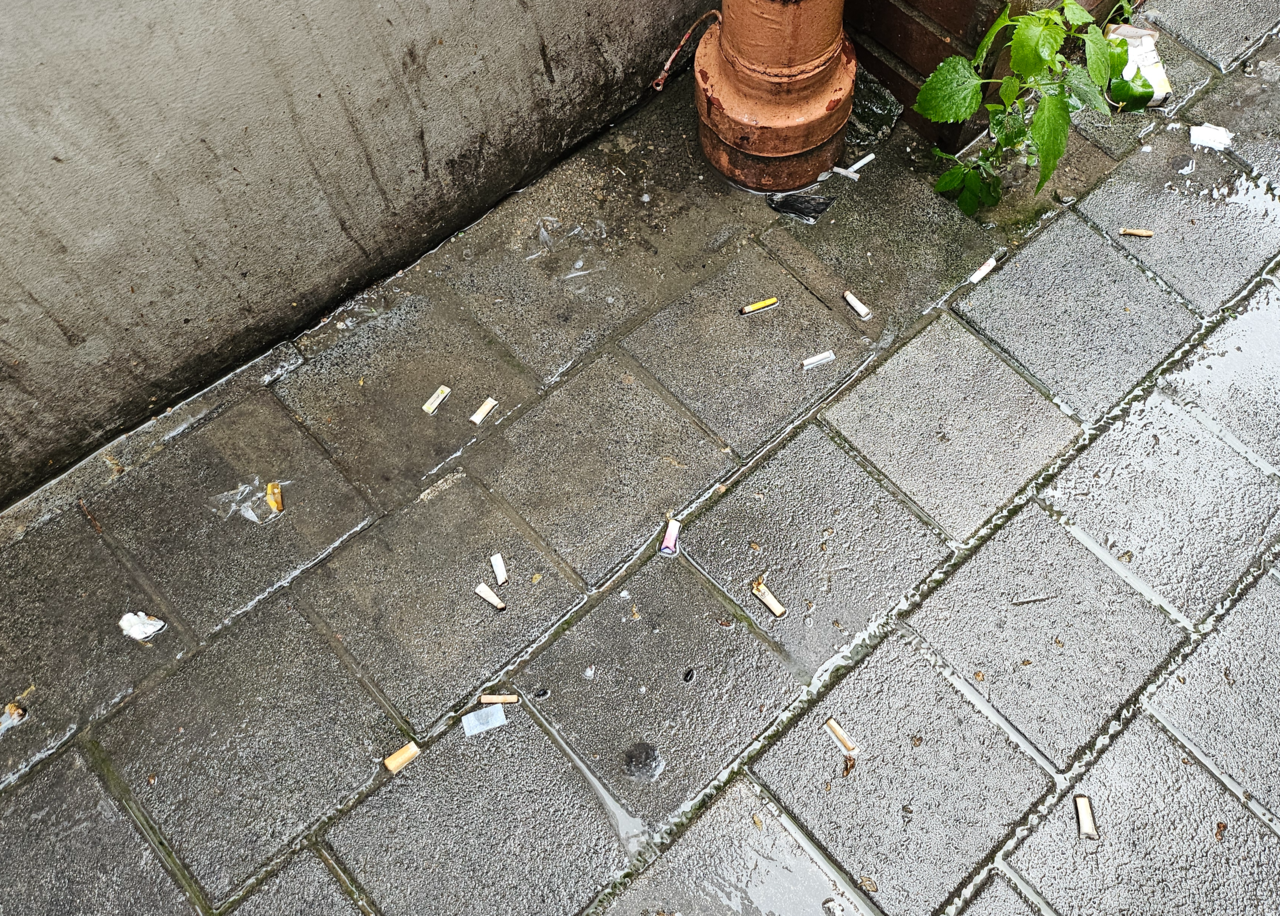
Yet on Thursday, as heavy rain fell across the greater Seoul area, cigarette butts and other litter could be seen piling up in storm drains throughout the city. Even after several rounds of maintenance, pedestrians continued to toss butts and trash into the drains. The problem was especially visible in commercial alleys frequented by smokers.
The need for repeated cleanings is clear — but voices are growing louder about the limits of that approach. Clearing a storm drain requires workers to lift heavy iron covers and manually remove the accumulated waste inside, a physically demanding task. The labor and budget required to repeat that process day after day are far from trivial.
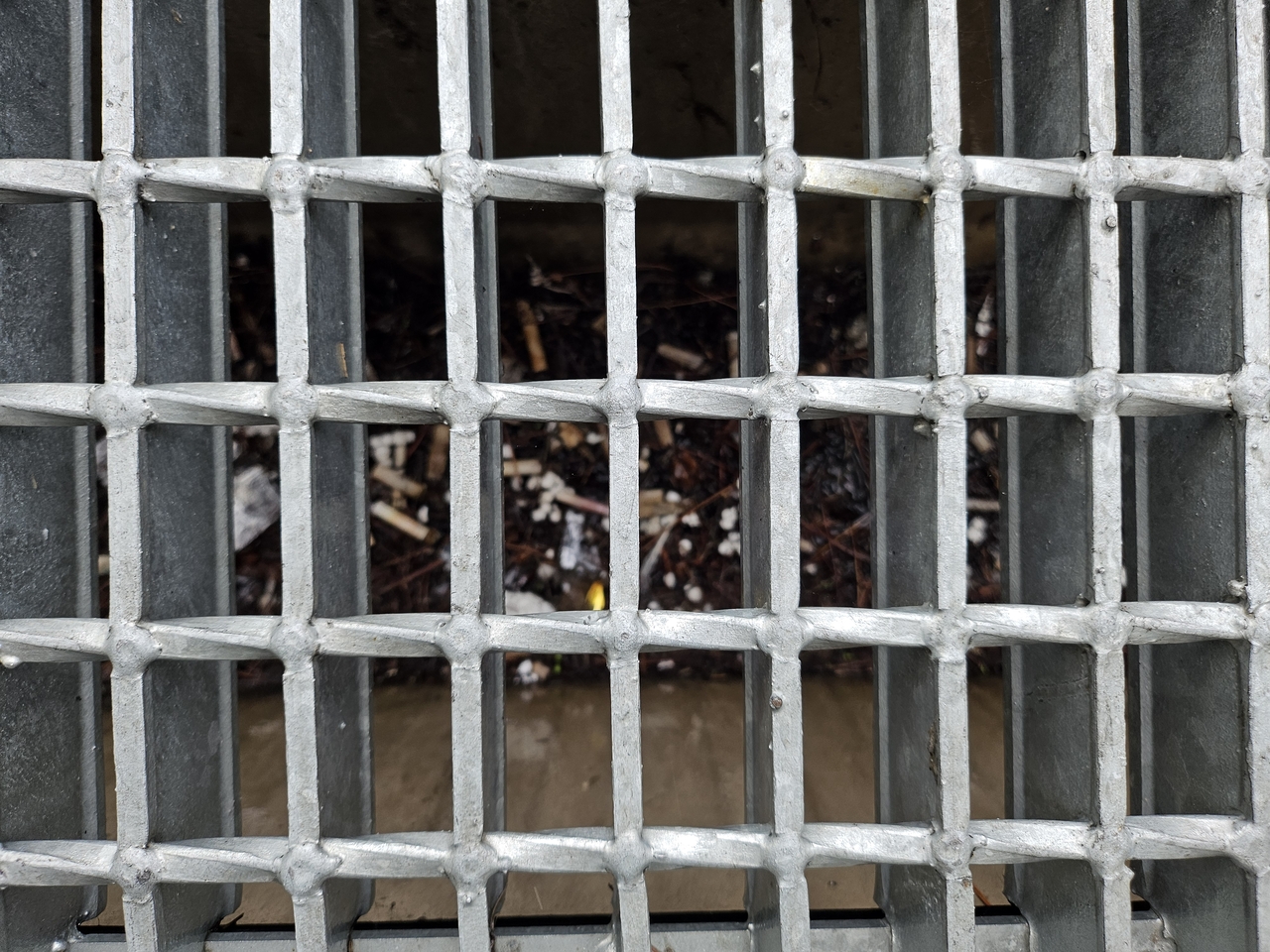
Solutions are being proposed — including new drain designs that allow water to pass through even when debris has accumulated. But many argue that the most fundamental fix is preventing cigarette butts and other litter from being thrown into drains in the first place.
The concern extends beyond flooding. A growing issue is that cigarette filters are made primarily of plastic. The filter is composed of fine plastic fibers that, upon contact with water, rapidly break down into microfibers and microplastics.
![Cigarette butts discarded in a beach parking lot. [Jeju Clean Boys Club]](https://wimg.heraldcorp.com/news/cms/2026/07/09/news-p.v1.20251201.9afa78bb9bb34213905c9a6abbbdbc1f_P1.png)
A study by the University at Buffalo published in January found that a cigarette filter releases about 24 microfibers within 20 seconds of contact with water. After 10 days, a single filter can release up to 144 microfibers.
That means cigarette butts dropped on the ground can introduce large quantities of microplastics into rivers and the ocean. Once microplastics spread into the natural environment, they work their way back into the human body through the food chain — and once inside, they accumulate without being expelled.
![A street blanketed in cigarette butts. [Herald DB]](https://wimg.heraldcorp.com/news/cms/2026/07/09/news-p.v1.20260426.2d5420051013414abfe9d9be305395cc_P1.png)
Smoking's environmental toll goes further still. Even cigarette ash — which does not technically constitute littering — carries residual nicotine, tar, cadmium, arsenic and some 7,000 other chemical compounds. Simply tapping ash onto the ground disperses harmful substances into the soil and air, even when secondhand smoke is avoided.
The tobacco industry also drives the felling of about 600 million trees a year to support cultivation and curing, generating an estimated 84 million metric tons of carbon dioxide emissions annually. In South Korea, discarded cigarettes are also one of the leading causes of wildfires.
Given all this, there is growing sentiment that cigarette butt littering can no longer be treated as merely a matter of civic awareness. Enforcement against those who litter and cleanup by local governments already consume significant labor and public funds. Environmental groups and others are calling for the cost of cigarette butt disposal to be factored into the price of cigarettes.
The EU moved in this direction in 2019, adopting a single-use plastics directive that requires producers to bear the cost of collecting and disposing of cigarette butts. South Korea has a similar system that levies a waste disposal charge on cigarette manufacturers and importers — but the current rate amounts to just 24.4 won per pack of 20 cigarettes, and the funds are not directly earmarked for installing butt collection bins or cleaning storm drains.
Meanwhile, public opinion is also pushing for a reduction in smoking rates overall. A Korea Research survey conducted ahead of World No Tobacco Day on May 31 found that 63 percent of South Koreans support raising the tobacco tax. An additional 79 percent said raising the price of cigarettes was the single most effective policy for lowering the smoking rate.

woo@heraldcorp.com