The "G3 Seoul Plan," a blueprint for shaping the South Korean capital over the next four years, has moved into full implementation. The G3 Seoul Planning Committee, which launched June 29, brings together private-sector experts and Seoul Metropolitan Government officials with the twin goals of raising Seoul's global competitiveness and delivering quality-of-life improvements that citizens can feel firsthand.
The committee serves as the top-level policy planning body for Seoul under the ninth term of elected city government, tasked with presenting and refining a new growth vision to propel Seoul into the ranks of the world's top three cities. It is organized into a vision oversight subcommittee along with general subcommittees covering the economy, culture, transport and welfare, as well as special subcommittees for youth and balanced regional development. A total of 95 private-sector members will spend the next 70 days in intensive discussions on Seoul's key agenda items.
The committee will address major issues including youth housing and employment, reducing disparities between districts and strategies for developing the city's southwestern areas, ultimately setting the medium- and long-term direction for city administration.
Safety-based night economy revival a top priority
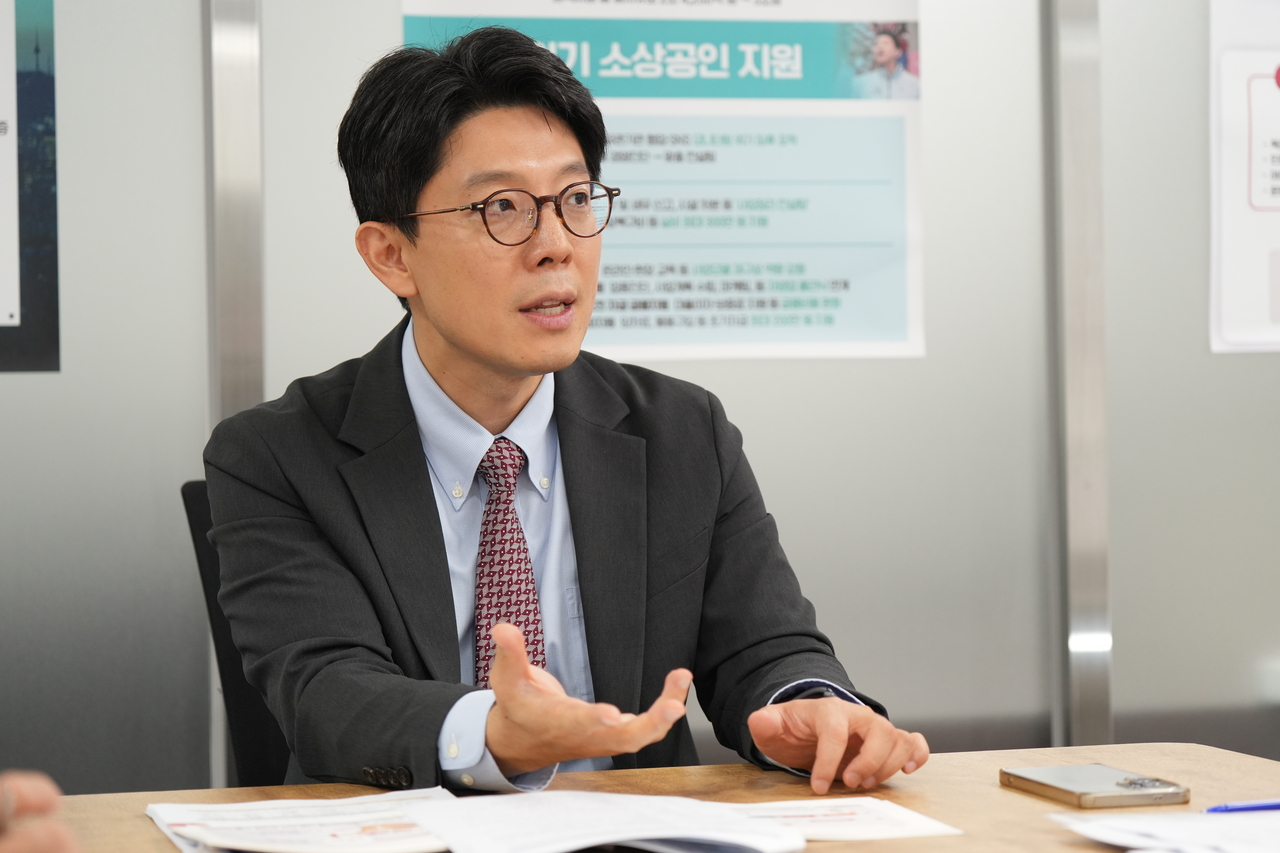
Kim Byung-min, chairman of the G3 Seoul Planning Committee, said Thursday that while Seoul has clearly grown into a city that commands global attention, it cannot afford to stop there. He said the city must push its competitiveness further — to a level where it can stand alongside major world cities such as New York and London.
He said, however, that the changes citizens actually feel in their lives matter more than the city's international standing in the abstract. "Becoming a world-class city and the happiness of its citizens are values that must ultimately go hand in hand," he said. "If Seoul's development fails to connect with the lives of its people, much of its meaning is lost."
He said the ultimate goal of the G3 Seoul Plan is to ensure that citizens can enjoy a more convenient, safe and fulfilling everyday life.
He identified revitalizing the night economy as a flagship initiative for boosting Seoul's competitiveness — breathing new energy into nighttime commercial districts that have stagnated since the COVID-19 pandemic and creating an urban environment where residents and tourists alike can safely stay out late to enjoy culture and commerce.
Kim said major cities around the world sustain vibrant economic and cultural activity well into the night, and that Seoul's safety-focused night economy policy could simultaneously revive commercial districts, expand business opportunities for small merchants and strengthen the tourism industry's competitiveness.
'A safe, clean city is a major asset'
Kim cited Seoul's distinctive urban structure — where history, nature and modern city functions coexist — as the city's defining strength. The Han River, the forested mountains of Bukhansan and Gwanaksan, historic palaces such as Gyeongbokgung and Changdeokgung, the hanok village of Bukchon and cutting-edge business districts all share the same cityscape, giving Seoul a competitive edge that few cities in the world can match, he said.
He said Seoul is shedding its old image as a gray, concrete city and transforming into a green one. Initiatives such as the International Garden Expo, the garden city policy, Han River park revitalization projects and cultural events centered on Gwanghwamun Square are all adding to the city's appeal, he said.
Above all, he said, Seoul holds a significant advantage in being a safe and clean city. While many major global cities struggle with public safety and environmental problems, Seoul has maintained a comparatively stable urban environment — and that, he said, is becoming an increasingly important factor in its global competitiveness.
In transport, the committee identified expanding the urban rail network and innovating transport services through advanced technology as core tasks. Key items under review include expanding the autonomous driving-based dawn companion bus service, upgrading the public bicycle Ttareungyi service and improving mobility for residents in areas underserved by public transit.
"Advanced technology must not be confined to pilot projects," Kim said. "It needs to be actively integrated into transport services so that citizens can feel the convenience in their daily lives." He said addressing the mobility difficulties faced by elderly residents and people with disabilities who live far from subway stations is also a priority.
Citizen-centered policies to be pursued through cooperation with Seoul city council
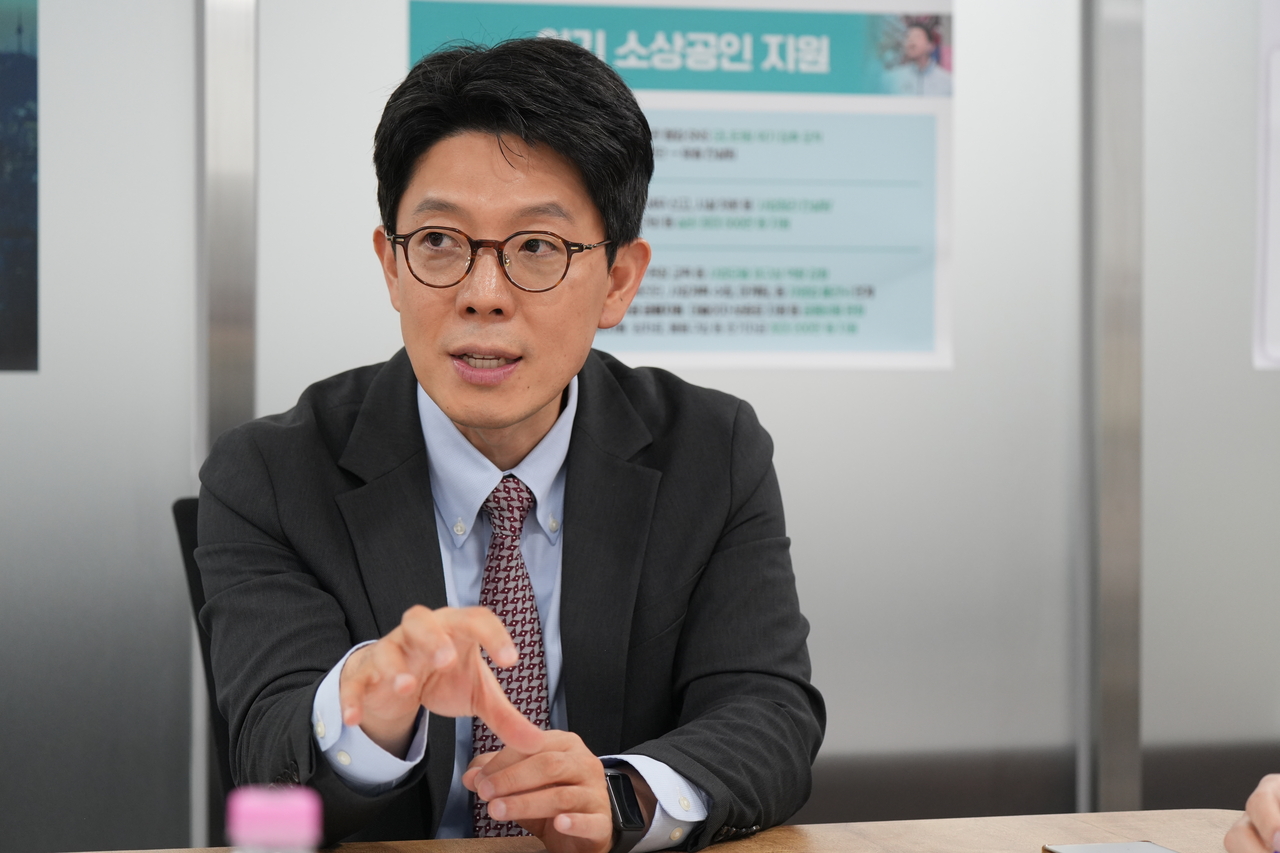
On working with the Seoul Metropolitan Council, Kim emphasized the common ground of citizen-centered policy. Improving quality of life, achieving balanced regional development, narrowing social gaps and building a healthy city are goals that must be pursued together regardless of political affiliation, he said.
"Citizens must always be the starting point and the standard for policy," Kim said. "When a policy is one that citizens recognize as necessary and find satisfying, cooperation across political differences is entirely possible."
He also outlined the committee's operational direction going forward. While the early phase after launch focused on helping members understand the Seoul Metropolitan Government's major policies and align on a shared vision, the committee is now entering a stage of producing concrete policy outcomes based on the expertise of specialists in each field.
Kim said the committee plans to analyze the challenges facing Seoul in depth, propose actionable policies and move forward with urgency so that citizens can feel the change. He said achieving a balanced outcome on both fronts — strengthening Seoul's global competitiveness and improving citizens' quality of life — is the committee's core mission.
7toy7@heraldcorp.com