Seoul Metro has grown noticeably quieter since Kim Tae-gyun took over as president.
Kim graduated from Yonsei University with a degree in public administration and passed the 38th national civil service examination, going on to hold key posts at the Seoul Metropolitan Government — including planning officer, policy planning director, administrative bureau chief and spokesperson — before rising to first administrative vice president.
Since Mayor Oh Se-hoon appointed him to lead Seoul Metro, Kim has drawn praise from executives, staff and labor unions alike for his understated leadership style.
Particularly notable is his practice of heading to the field every Friday and spending the entire day on-site.
"Since President Kim Tae-gyun took office, the organization has developed a stable atmosphere and earned the respect of employees," a Seoul Metro executive said.
Kim is also credited with carrying out his responsibilities fairly and with a consistently humble approach, drawing no criticism from any quarter.
Staff across the organization say Seoul Metro is overcoming the turbulence that marked the conflict between the previous president and the auditor, and is becoming a stable organization once again.
A senior official at the Seoul Metropolitan Government's transportation bureau said the city was "very satisfied" with how things had developed. "Since President Kim took office, the organization has stabilized and communication with the city has been going smoothly," the official said.
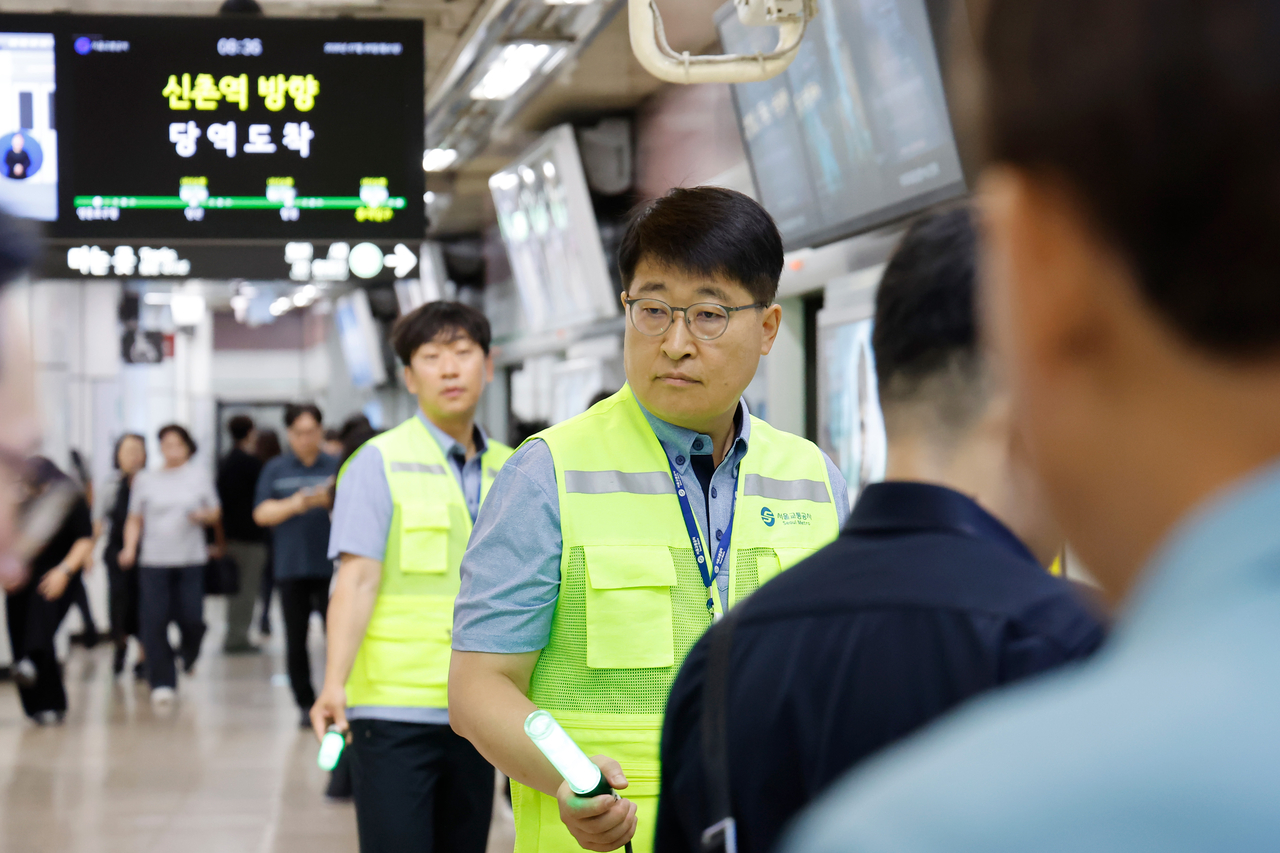
Amid this, Kim and his senior executives have been serving as one-day stationmasters at congested stations from Monday through July 23, a special safety management period designated to prepare for summer heat waves and flooding.
Kim and 62 other director-level executives — 63 in total — are being deployed as one-day stationmasters at 63 major congested stations across the network.
The initiative was designed to have senior staff directly assess the conditions and characteristics of each station, narrow the gap between headquarters policy and frontline reality, and embed a field-centered safety culture across the system.
Stations were selected based on high passenger volumes during rush hours, with particular attention given to transfer stations and other locations requiring heightened safety management.
Participating executives accompany stationmasters through a full range of station duties — manning platforms during the morning rush, handling passenger complaints and conducting walkaround inspections of station facilities. They will focus especially on checking preparedness for summer heat waves and heavy rain, reviewing safety management plans tailored to each station's characteristics and examining emergency response systems. Inspection findings will be logged in the operations management system, and items requiring improvement will be entered into the ERP system for follow-up action.
Executives will also gather frontline staff's concerns and suggestions for improvement through direct conversations during their shifts.
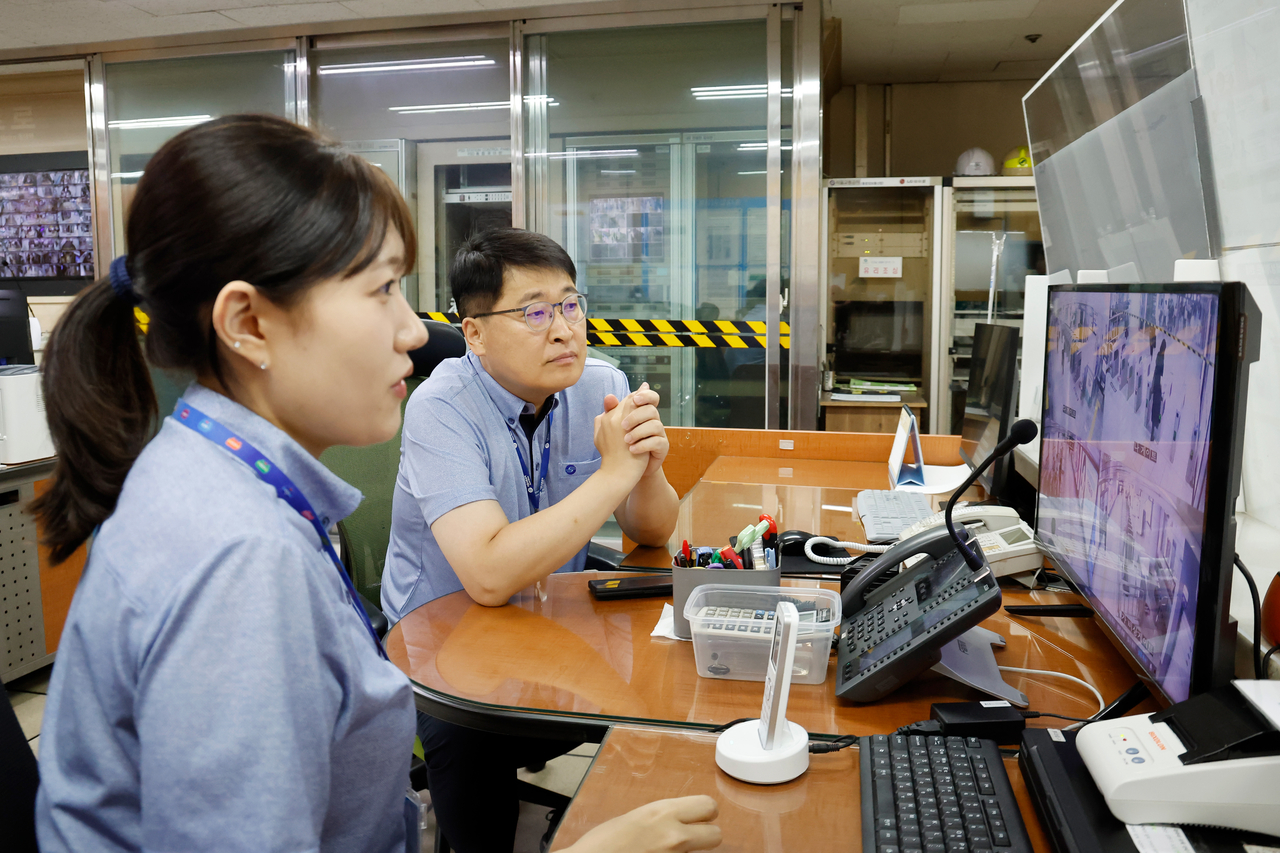
Issues identified as requiring system improvements or cross-departmental collaboration will be reflected in future policy. Seoul Metro plans to strengthen cooperation between headquarters and frontline operations so that the exercise goes beyond a simple observational experience and translates into policy-driven solutions to problems identified on the ground.
"Citizen safety starts in the field, which is why seeing, listening and thinking through problems together on-site is more important than anything else," Kim said. "I will actively incorporate the improvements identified through the one-day stationmaster program, along with staff feedback, into our policies, so we can build a Seoul subway that citizens can use with greater peace of mind and confidence."
seouldream01@heraldcorp.com